
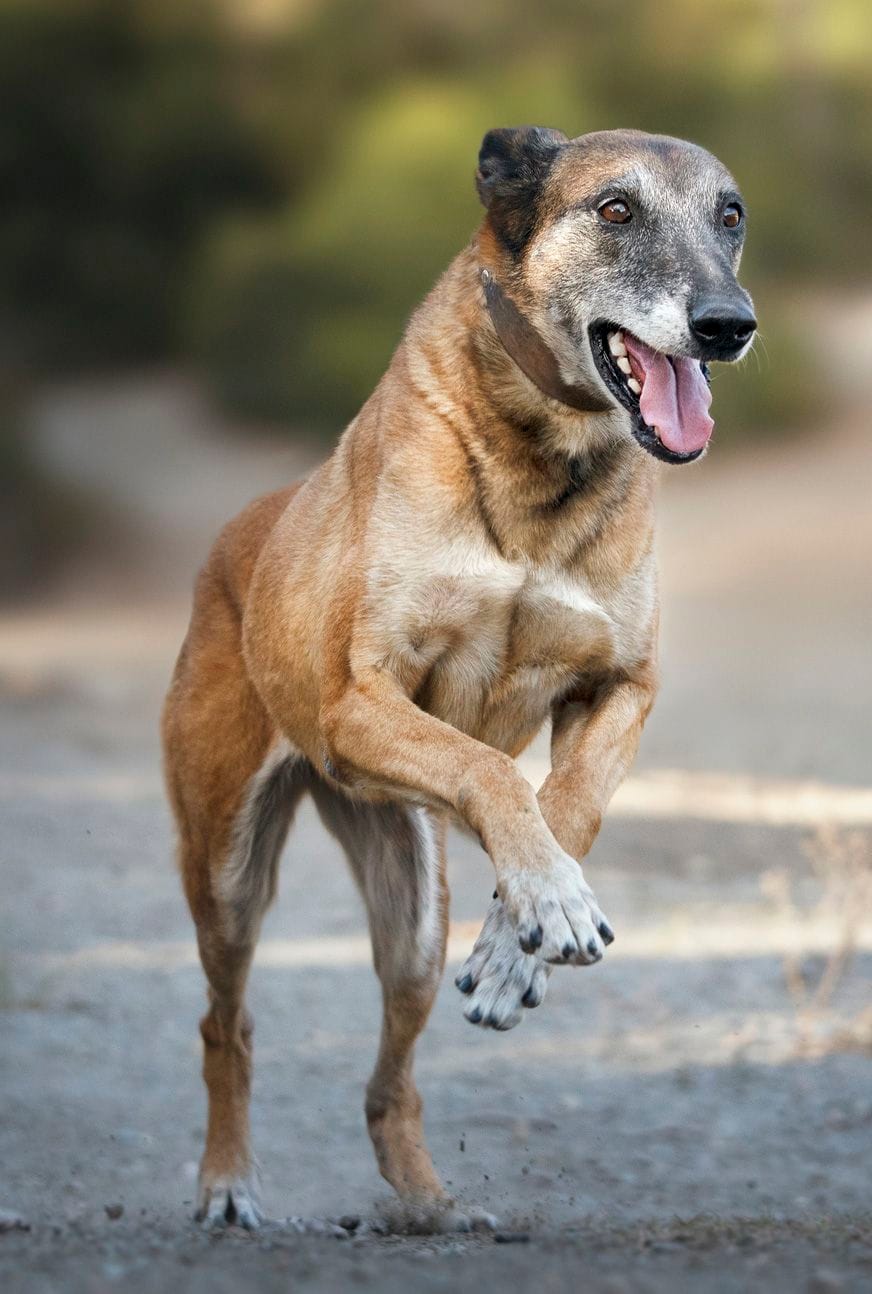
Vitamin E is a vital nutrient for canine health, classified as an essential vitamin because dogs cannot synthesize it themselves and must obtain it through their diet. The primary forms of vitamin E are known as tocopherols, which are abundant in sources like seeds, various vegetable oils (sunflower, safflower, soybean, wheat germ), and eggs. Many commercially produced dog foods also incorporate vitamin E supplements to preserve the food and provide this crucial nutrient to dogs.
Key Benefits of Vitamin E for Dogs
Vitamin E performs several critical functions within a dog’s body. Its most significant roles include maintaining the stability of cell membranes, supporting immune function, facilitating normal metabolism, and aiding in blood clotting regulation. While vitamin E is essential for your dog’s well-being, it’s crucial to consult with your veterinarian before administering any supplements, including vitamin E. As a fat-soluble vitamin, it can accumulate in a dog’s system, potentially leading to nutritional excesses or imbalances if given unnecessarily.
Recognizing Vitamin E Deficiency in Dogs
Vitamin E deficiency is uncommon in dogs that consume a complete and balanced diet. However, when it does occur, it can manifest in several clinical signs. These may include inflammation and breakdown of muscle, fat, and other tissues, leading to pain and the formation of abnormal lumps. Muscle weakness, neurological dysfunction, and reproductive difficulties can also be indicative of a deficiency. If your dog is on a home-prepared or unusual diet, or displays any of these symptoms, seeking veterinary advice is recommended.
Determining Vitamin E Dosage and When to Supplement
A veterinarian can diagnose a vitamin E deficiency through blood tests to assess your dog’s levels. If levels are low, your vet may prescribe a supplement and determine the appropriate dosage based on the test results and the individual dog’s health status. Veterinarians often recommend Vitamin E For Dogs diagnosed with specific health conditions such as coat and skin problems, including allergic dermatitis, dermatomyositis, and discoid lupus erythematosus. It is also frequently recommended for dogs suffering from liver disease. The correct dosage is highly dependent on the condition being treated and the dog’s specific circumstances. Always adhere to your veterinarian’s instructions or the dosage guidelines provided on the supplement packaging.
Choosing the Best Vitamin E Supplements and Foods for Your Dog
In certain situations, a veterinarian might suggest over-the-counter vitamin E capsules intended for human use. However, products specifically formulated for dogs that combine various supplements can offer enhanced benefits. Your veterinarian is the best resource for recommending the most suitable product for your dog. Options like Purina Pro Plan Veterinary Diets Skin Care Soft Chew Supplement for Dogs are recognized for their potential to aid in managing skin conditions.
Dog foods that meet the Association of American Feed Control Officials (AAFCO) regulations generally contain sufficient vitamin E for healthy dogs and puppies. Foods formulated to address conditions that benefit from increased vitamin E intake often include higher levels of this nutrient, along with other beneficial supplements. For instance, dog foods designed to support joint health, such as Blue Buffalo True Solutions Mobility Care Formula Dry Dog Food, may also offer advantages.
Frequently Asked Questions About Vitamin E and Dogs
Does Vitamin E Help with Dog Warts?
There is currently no scientific evidence to suggest that vitamin E is effective in treating dog warts, also known as papillomas. Some types of dog warts resolve on their own, which might give the appearance that vitamin E application was successful, even though it played no role in the healing process.
Does Vitamin E Alleviate Itching in Dogs?
Vitamin E can contribute to reducing itching in dogs, typically when used alongside other appropriate treatments. Common causes of itching, such as allergies, infections, contact with irritants, and parasites like fleas or mange mites, require specific treatments directed at the underlying issue.
Does Coconut Oil Contain Vitamin E?
Coconut oil contains a minimal amount of vitamin E. Other oils, such as sunflower, safflower, soybean, and wheat germ oil, are considered superior sources of this nutrient.
