
Understanding how to effectively communicate with your canine companion is key to a harmonious relationship. When traditional methods fall short, many owners turn to training tools designed to aid in this communication. Among these, Vibration Dog Training Collars have emerged as a popular option, offering a non-punitive way to get your dog’s attention and guide their behavior. This guide will delve into what these collars are, how they work, and why they might be the right choice for you and your furry friend.
What Exactly Are Vibration Dog Training Collars?
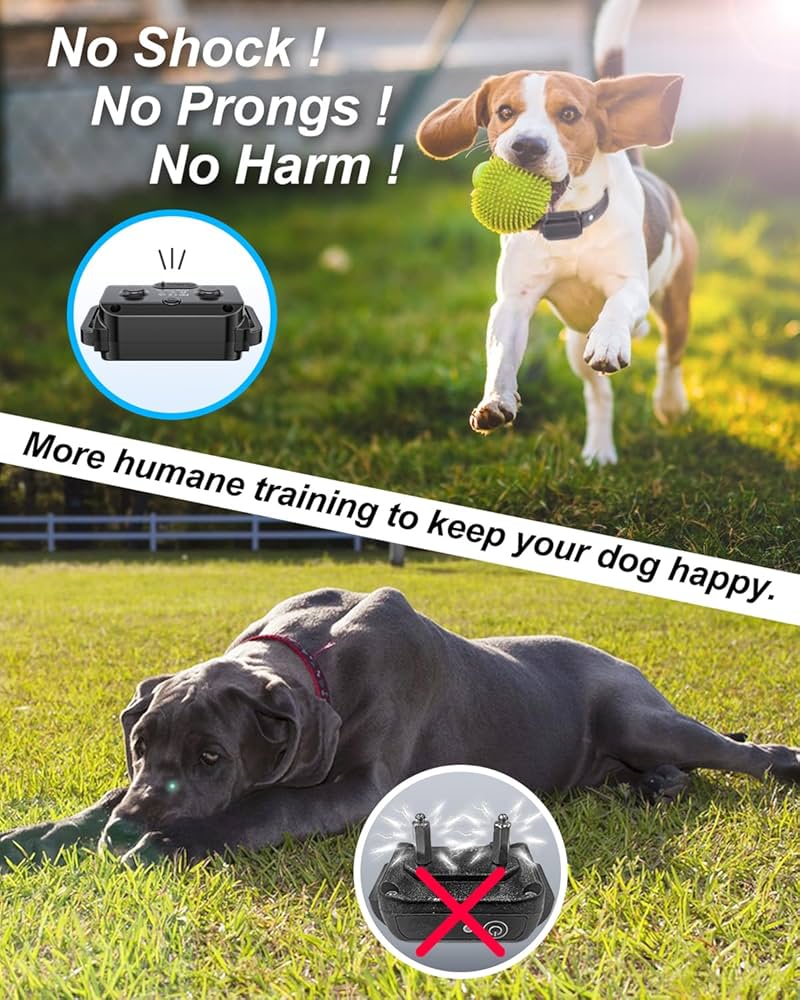
Vibration dog training collars, often referred to as “buzz collars” or “silent trainers,” are electronic devices designed to assist in dog training. Unlike shock collars that deliver a mild electrical stimulation, these collars use a vibration motor to gain the dog’s attention. The core idea is to associate the vibration with a command or a desired behavior, creating a clear and consistent signal for your dog without causing them pain or distress. They are typically composed of a collar unit that goes around the dog’s neck, a receiver that houses the vibration mechanism and battery, and a remote transmitter or a base unit used by the owner to activate the vibration.
How Do Vibration Training Collars Work?
The principle behind vibration training collars is rooted in operant conditioning, specifically positive reinforcement and negative punishment, though the latter is often misunderstood. When you trigger the vibration, it acts as a physical sensation that interrupts your dog’s current behavior or draws their attention to you.
Here’s a simplified breakdown of the process:
- Getting Attention: The vibration serves as a gentle “tap” on the shoulder, much like you might tap your dog to get their attention in a distracting environment.
- Association with Commands: The crucial step is associating the vibration with a command. For instance, if your dog is about to chase a squirrel, you’d activate the vibration just as you give the “leave it” command. Over time, the dog learns that the vibration signifies the need to listen and obey.
- Reinforcing Desired Behavior: Once the dog responds to the vibration and the command (e.g., by turning away from the squirrel), they should be rewarded with praise, a treat, or a favorite toy. This positive reinforcement solidifies the desired behavior.
- Addressing Undesired Behavior: For behaviors like excessive barking, the vibration can be used as a cue to stop. The collar activates when barking begins, prompting the dog to cease the noise. Again, immediate cessation of barking followed by praise is key.
It’s important to understand that the vibration is not intended to be a punishment. It’s a tool to get your dog’s focus back on you, the owner, so you can then guide them with a verbal command and reward correct responses. This method avoids the potential for fear or anxiety that can sometimes be associated with harsher training techniques.
When to Consider a Vibration Training Collar
Vibration collars can be particularly beneficial in specific scenarios:
- Distraction-Prone Environments: If your dog is easily distracted by sights, sounds, or other animals, the vibration can be a discreet way to regain their attention without shouting. This is invaluable during walks in busy parks or on trails.
- Deaf or Hard-of-Hearing Dogs: For dogs with hearing impairments, a vibration collar can be a lifeline for communication and safety, as they can feel the signal when they cannot hear verbal commands.
- Quieting Excessive Barking: Dogs that bark excessively due to boredom, anxiety, or territoriality can often be helped by a vibration collar. The vibration serves as a gentle reminder to stop barking, and when paired with positive reinforcement for silence, can significantly reduce nuisance barking.
- Recall Training: For dogs that are still perfecting their recall, especially in open areas, a vibration can be used as an additional cue to return to the owner when called.
- Alternative to Shock Collars: For owners who are uncomfortable with the idea of shock collars but still need an electronic training aid, vibration collars offer a gentler alternative.
Can You Train a Dog Not to Bark with a Vibration Collar?
Yes, vibration dog training collars can be an effective tool for managing excessive barking. The key is consistency and proper usage. When the collar detects barking (often through a sound or vibration sensor), it emits a vibration. The dog learns to associate the vibration with their own barking and, over time, associates the vibration with stopping the barking. It’s crucial to pair this with positive reinforcement—rewarding the dog when they are quiet after the vibration is activated. This approach teaches them that silence, rather than noise, earns them praise and attention. For more in-depth guidance, resources on how to train dog stop barking can provide valuable strategies.
Choosing the Right Vibration Training Collar
When selecting a vibration training collar, consider the following factors:
- Collar Size and Fit: Ensure the collar is appropriately sized for your dog and fits snugly but comfortably. It should not be too tight to restrict breathing or circulation, nor too loose to move around excessively.
- Vibration Intensity Levels: Look for collars that offer multiple levels of vibration. This allows you to start with a low intensity and gradually increase it only if necessary, ensuring you use the least intrusive level effective for your dog.
- Range: If you plan to use the collar for off-leash training or in large areas, check the operating range of the remote transmitter.
- Water Resistance: For dogs that enjoy swimming or playing in wet conditions, a water-resistant or waterproof collar is essential.
- Battery Life and Charging: Consider how long the battery lasts and how easy it is to charge. Rechargeable batteries are generally more convenient and cost-effective in the long run.
- Safety Features: Some collars have built-in safety mechanisms, such as automatic shut-off after a certain duration of continuous stimulation, to prevent over-correction.
How to Use a Vibration Training Collar Effectively and Ethically
Proper usage is paramount to the success and ethical application of any training collar.
- Consult a Professional: If you are unsure about using a vibration collar, consult a certified professional dog trainer or a veterinarian specializing in animal behavior. They can assess your dog’s needs and guide you on the best approach.
- Start at the Lowest Setting: Always begin with the lowest vibration setting and gradually increase it only if your dog does not respond. The goal is to find the lowest level that gets your dog’s attention without causing them to yelp, jump, or show signs of fear.
- Pair with Verbal Cues and Rewards: The vibration should never be used in isolation. Always pair it with a clear verbal command and follow up with praise, treats, or play as soon as your dog complies. This teaches them what you want them to do.
- Use for Short Durations: Keep training sessions short and positive, typically 10-15 minutes at a time. End each session on a successful note.
- Never Use as Punishment: Understand that the vibration is a communication tool, not a punishment. Using it out of anger or frustration can create negative associations and damage your relationship with your dog.
- Monitor Your Dog: Pay close attention to your dog’s body language. If they show signs of stress, fear, or anxiety, discontinue use and re-evaluate your training methods. Consider training shock collar for dogs if you need a more robust tool, but always with professional guidance.
- Gradually Fade Out: As your dog becomes more reliable with commands, you should gradually reduce the reliance on the vibration. The ultimate goal is for your dog to respond to verbal cues alone, with the collar serving as a backup for challenging situations.
Is a Training Shock Collar for Dogs the Same as a Vibration Collar?
No, a training shock collar for dogs is fundamentally different from a vibration collar. While both are electronic training aids, shock collars deliver a mild electrical impulse, whereas vibration collars use a tactile sensation. Many owners opt for vibration collars because they are perceived as a gentler and less aversive training method. For those exploring options, it’s important to differentiate between them and understand the potential impact of each.
Addressing Common Concerns and Misconceptions
“Will a vibration collar hurt my dog?”
When used correctly, with appropriate intensity levels and positive reinforcement, vibration collars are not intended to cause pain. The vibration is designed to be a noticeable sensation, not an aversive one.
“Will my dog become reliant on the collar?”
Like any training tool, the aim is to fade its use over time. Once your dog reliably understands and performs commands, the collar becomes a backup for difficult situations, not a constant necessity.
“Are these collars suitable for all dogs?”
While vibration collars can be beneficial for many dogs, they may not be suitable for all. Puppies, very timid dogs, or dogs with certain medical conditions might require alternative training approaches. Always assess your individual dog’s temperament and consult with a professional.
The Role of Accessories and Gear
When discussing training, it’s also worth mentioning related gear. For specific training needs, such as hunting dog training gear, the requirements might differ. However, for general obedience and behavior modification using vibration collars, the primary focus remains on the collar itself and a consistent training approach. Understanding can you train a dog not to bark is also crucial, as the collar is just one part of a comprehensive strategy.
Conclusion: A Gentle Path to Better Communication
Vibration dog training collars offer a modern, often gentler approach to addressing common behavioral challenges in dogs. By providing a clear, non-punitive signal, they can help bridge the communication gap between owner and dog, fostering a deeper understanding and a more responsive relationship. Remember, the collar is merely a tool; its effectiveness hinges on your consistent application, positive reinforcement, and a genuine commitment to understanding your dog’s needs. With patience and the right approach, a vibration collar can be a valuable asset in your journey to a well-behaved and happy canine companion.
