
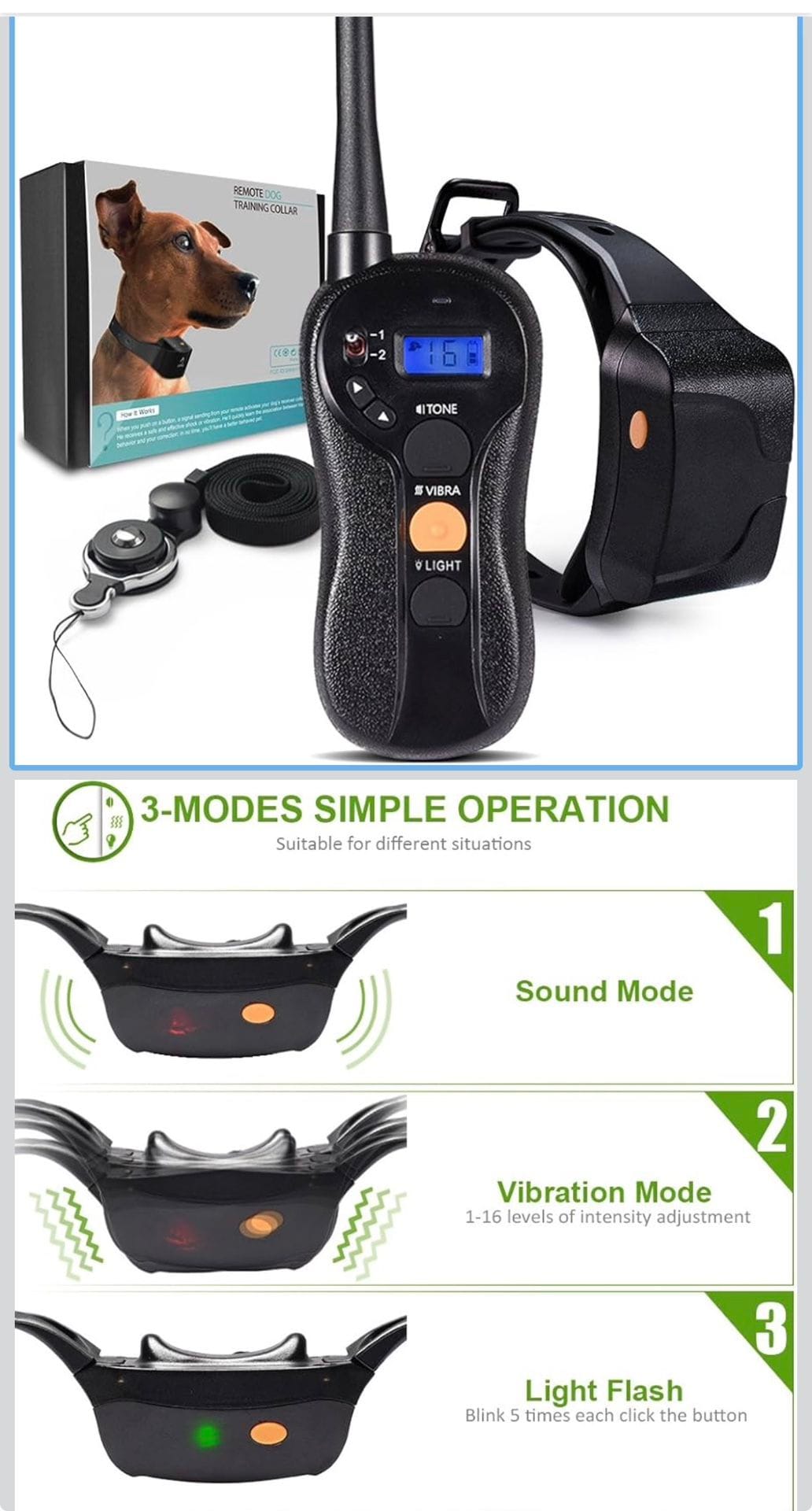
Navigating the world of dog training tools can feel overwhelming. You want what’s best for your furry friend—effective methods that are also humane and build a stronger bond. Enter the Vibration Dog Training Collar, a modern tool designed to improve communication between you and your dog without resorting to pain. If you’re looking for a gentle way to get your dog’s attention and correct unwanted behaviors, understanding how these collars work is the first step toward a more harmonious relationship.
Many owners are seeking alternatives to traditional, more controversial methods. They want a tool that says, “Hey, listen to me,” rather than one that causes fear or distress. This is where the concept of a vibration collar for dog training shines. It’s not about punishment; it’s about creating a clear, consistent line of communication to guide your dog toward better behavior.
What Exactly is a Vibration Dog Training Collar?
Think of a vibration dog training collar as a pager for your pup. It’s a device that delivers a gentle, buzzing sensation to your dog’s neck, similar to a cell phone vibrating in your pocket. This vibration is designed to be a non-painful interrupter—a signal that breaks your dog’s focus on a distraction or an unwanted behavior and redirects their attention back to you for a command.
It is crucial to distinguish these collars from shock collars. While both are often grouped under the term “e-collar,” they function very differently.
- Vibration Collars: Use only mechanical vibration. The intensity can typically be adjusted, but it never involves an electrical shock.
- Shock Collars: Deliver a static electrical stimulation, which can range from a mild tickle to a painful jolt. Their use is highly controversial and often condemned by modern, science-based trainers.
The core purpose of a vibration dog training collar is to serve as a communication tool. It’s a tactile cue that you can use from a distance when your voice might be lost in the wind or ignored amidst exciting distractions.
Are Vibrating Collars a Humane Training Method?
This is one of the most important questions for any responsible dog owner. The consensus among many certified trainers and veterinary professionals is that, when used correctly, vibrating collars are a humane and effective training aid. Unlike shock collars, they do not rely on pain to modify behavior. Instead, they provide a harmless sensory interruption.
The key to keeping it humane lies in the how. A vibration dog training collar should never be used to scare or punish a dog. It’s not a remote control for instant obedience. The goal is to pair the vibration with positive reinforcement.
According to canine behaviorist Dr. Eleanor Vance, “The vibration should function as a tap on the shoulder. It’s a signal that means ‘I’m about to give you a command, and if you listen, something wonderful will happen.’ When you link the vibration to a high-value reward like a treat or praise, the dog learns to respond positively to the sensation, rather than with fear.”
This approach transforms the collar from a simple corrective tool into a powerful part of your positive reinforcement strategy. It’s a far cry from methods that create anxiety, which can often worsen behavior problems. When exploring options, it’s helpful to see the variety of humane tools available, including different types of vibration dog training collars.
How to Effectively Use a Vibration Dog Training Collar
Success with a vibrating collar depends entirely on proper introduction and consistent training. Simply strapping it on and pressing buttons when your dog misbehaves is a recipe for confusion and failure. Follow these steps for the best results.
Step 1: Proper Introduction and Fitting
First, let your dog get used to the collar without any vibrations. Have them wear it for short periods around the house for a few days, associating it with positive things like treats, meals, and playtime. The collar should be snug enough to make contact with the skin but loose enough for you to fit two fingers underneath it. An improper fit can mean the dog won’t feel the vibration or that it becomes uncomfortable.
Step 2: Charging the Association (Vibe = Treat!)
This is the most critical step. You need to teach your dog that the vibration is a good thing that predicts a reward.
- Start in a quiet, distraction-free area.
- Set the collar to the lowest vibration level your dog can feel.
- Press the vibration button for 1-2 seconds.
- The instant the vibration stops, give your dog a very high-value treat (like boiled chicken or cheese).
- Repeat this 10-15 times in a session. Do a few sessions over a couple of days.
The goal is for your dog’s head to whip around looking for a treat as soon as they feel the buzz. You are building a positive conditioned emotional response.
Step 3: Layering in a Command
Once your dog understands that vibe means treat, you can start associating it with a command. Let’s use “come” as an example.
- Let your dog be a short distance away from you.
- Say your recall command, “Come!”
- Immediately after, press the vibration button.
- When your dog comes to you, reward them enthusiastically with praise and a treat.
The vibration now acts as a clear, non-emotional reminder of the verbal command. A quality dog training collar with vibration will offer multiple intensity levels to suit your dog’s sensitivity.
Step 4: Phasing Out the Collar
The ultimate goal is for your dog to respond to your verbal command alone. The collar is a training wheel, not a permanent solution. As your dog becomes more reliable, start giving the command without the vibration. Continue to reward them for their obedience. The collar then becomes a backup for particularly distracting situations, ensuring you can always communicate effectively.
Common Behaviors to Address with a Vibration Collar
Once your dog understands what the vibration means, you can use it to interrupt a variety of unwanted behaviors and reinforce positive ones.
Excessive Barking
When your dog starts barking inappropriately, use the vibration to interrupt the behavior. As soon as they pause, mark the quiet with a “Yes!” and reward them. This teaches them that silence gets them a reward, while the vibration simply breaks the barking cycle.
Jumping on People
The moment your dog’s paws leave the floor to jump, activate the vibration. This interrupts the action mid-thought. Use the opportunity to ask for an alternative behavior, like “Sit.” When they sit, reward them.
Recall Training (Coming When Called)
This is one of the most valuable uses. A vibration can cut through distractions at a dog park or on a hike, reminding your dog of the “Come” command when your voice isn’t enough. It’s a safety tool that can prevent your dog from running into danger. You can find some of the best training collar dogs designed specifically for this purpose.
Leash Pulling
For dogs that pull on the leash, the vibration can be used as a signal to “check in.” When the dog starts to pull ahead, a quick vibration can remind them to ease up and walk beside you. Pair this with rewards for walking on a loose leash.
Potential Mistakes to Avoid
Using a vibration dog training collar effectively means avoiding common pitfalls that can undermine your training efforts.
- Using it as Punishment: The vibration should never be used in anger or as a punitive measure. This will only create fear and anxiety, damaging your bond and potentially creating new behavior problems.
- Inconsistent Use: If you only use the collar sometimes, or if different family members use it differently, your dog will become confused. Consistency is the key to clear communication.
- Forgetting Positive Reinforcement: The collar is an interrupter, not a teacher. The real learning happens when you reward the good behavior that follows the interruption.
- Leaving the Collar on Too Long: The contact points can cause skin irritation if the collar is left on for more than 8-10 hours a day. Ensure you take it off regularly and check your dog’s skin.
- Setting the Level Too High: You want the lowest level your dog will reliably notice. It should be a surprising “tap,” not a startling “jolt.”
When in doubt, it can be beneficial to look at various options from trusted retailers, like the range of petco training collars for dogs, and consult with a professional trainer.
Frequently Asked Questions (FAQ)
Can a vibrating collar hurt a dog?
No, a true vibration collar does not cause pain. It delivers a buzzing sensation that is designed to get a dog’s attention, not to hurt them. It’s essential to ensure you are purchasing a vibration-only collar and not a shock collar with a vibration feature.
Do vets recommend vibrating collars?
Many veterinarians and certified professional dog trainers view vibrating collars as a humane alternative to shock collars when used correctly as part of a positive reinforcement-based training plan. However, they always recommend consulting a professional to ensure it’s the right tool for your specific dog and situation.
How long can a dog wear a vibration collar?
It’s recommended not to leave the collar on for more than 8-10 consecutive hours. The pressure from the contact points can cause skin irritation known as pressure necrosis if left on for too long or fitted too tightly. Always remove it at night.
Is a vibration collar the same as a shock collar?
No. This is a common misconception. A vibration collar uses only mechanical vibration. A shock collar delivers an electrical stimulus. While some collars have both features, they are fundamentally different in their mechanism and humane application.
Can I use a vibration collar on a puppy?
It is generally not recommended to use any type of remote training collar on very young puppies (under 6 months). Puppyhood is a critical time for building foundational trust and positive associations. Focus on management, socialization, and positive reinforcement training first. Consult a professional trainer for guidance on when, or if, a tool like a vibration dog training collar is appropriate.
Conclusion: A Tool for Better Communication
A vibration dog training collar is not a magic wand, but it can be an incredibly effective and humane tool for enhancing communication with your dog. By moving beyond the idea of punishment and embracing it as a way to get your dog’s attention, you can address challenging behaviors and reinforce good ones from a distance. When paired with a robust positive reinforcement strategy, this collar can help you build a more responsive, reliable, and joyful relationship with your canine companion, strengthening the amazing story you share.
