
Welcome to the world of canine companionship, where understanding your furry friend is key to a harmonious life together. Many owners seek effective and humane ways to train their dogs, and the “Vibration Collar For Dog Training” has emerged as a popular tool. This guide will delve deep into what these collars are, how they work, their benefits, and how to use them effectively and ethically to strengthen the bond with your dog.
Understanding Vibration Collars for Dog Training
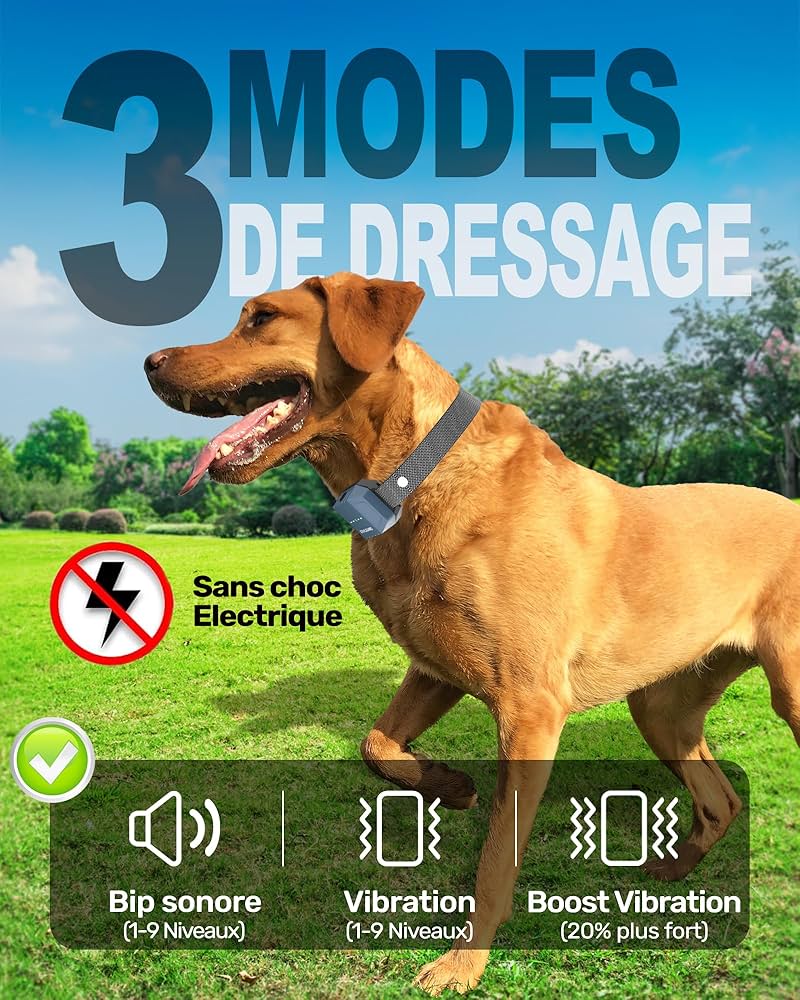
A vibration collar for dog training is a device designed to deliver a haptic sensation, or vibration, to a dog’s neck as a form of communication during training. Unlike shock collars, vibration collars do not administer any electrical current. Instead, they utilize a small motor to create a buzz that the dog can feel. This vibration serves as a gentle cue, aiming to get the dog’s attention or signal a command without causing discomfort or pain. The intensity of the vibration can often be adjusted to suit the individual dog’s sensitivity and the specific training situation.
How Vibration Collars Work for Training
The core principle behind using a vibration collar for dog training is operant conditioning, specifically positive reinforcement and sometimes negative punishment (though gently applied). When a dog performs a desired behavior, they might receive a treat or praise. Conversely, if a dog is about to engage in an unwanted behavior, or needs to be redirected, the vibration can be used as a non-verbal cue.
For instance, imagine you are teaching your dog to come when called. You can pair the vibration with the verbal command “come.” After several repetitions, the dog begins to associate the vibration with the command and the reward that follows. Eventually, the vibration itself can act as a prompt, alerting the dog to your command even if they are distracted. If a dog is pulling excessively on the leash, a gentle vibration can be a signal to stop pulling, to which they should be rewarded when they release the tension.
The Science Behind Haptic Communication with Dogs
Our canine companions are highly attuned to subtle cues, including touch and vibration. Their sensitive skin and whiskers can detect even minor sensations. When a vibration collar is introduced correctly, the dog learns to associate the sensation with a specific action or outcome. This learned association is a powerful tool in training.
“Dogs are masters of reading body language and subtle cues. A vibration, when used consistently and paired with positive reinforcement, can become a clear and effective communication signal, much like a gentle nudge or a specific hand signal.” – Dr. Emily Carter, Canine Behaviorist
The effectiveness often hinges on the trainer’s ability to consistently pair the vibration with a command or desired action, and to reward the dog’s correct responses. This consistent application helps the dog understand what is being asked of them, turning a physical sensation into a meaningful communication tool.
Benefits of Using a Vibration Collar
The appeal of vibration collars lies in their potential to offer a humane and effective training solution. They provide an alternative to more aversive methods and can be particularly useful in specific training scenarios.
Humane and Non-Aversive Training
One of the primary advantages of a vibration collar is its non-aversive nature. Unlike shock collars, which deliver an electrical stimulus that can cause pain or fear, vibration collars rely on a physical sensation that most dogs learn to accept and respond to quickly. This makes them a more compassionate choice for many owners concerned about their dog’s emotional well-being during training. This focus on gentle communication aligns with modern, positive reinforcement training philosophies.
Effective for Distracted Dogs
For dogs that are easily distracted by their environment – a common challenge in outdoor training settings – a vibration collar can be invaluable. The distinct sensation can cut through the noise and visual stimuli, helping to regain the dog’s focus. When a dog is engrossed in chasing a squirrel or interacting with other dogs, a subtle vibration can be just enough to bring their attention back to their owner and the training task at hand. This is similar to how a subtle tug on the leash can redirect a dog’s attention.
Versatility in Training Applications
Vibration collars can be employed for a variety of training purposes:
- Recall Training: As mentioned, a vibration can signal the “come” command, helping to reinforce it, especially in noisy or distracting environments.
- Leash Manners: Gentle vibrations can alert a dog when they are pulling too hard on the leash, encouraging them to walk calmly by your side. This is a more nuanced approach than traditional leash corrections.
- Basic Obedience: They can be used to cue commands like “sit,” “stay,” or “down,” especially when combined with other training methods.
- Addressing Nuisance Barking: Some collars have a sensitivity setting that triggers a vibration when the dog barks, gently discouraging excessive vocalization. This can be a great alternative to constantly interrupting the dog’s behavior.
Useful for Specific Canine Needs
Certain dogs may benefit particularly from vibration collars:
- Deaf or Hearing-Impaired Dogs: For dogs with hearing loss, vibration collars can be a crucial tool for communication, as they can feel the signal when they cannot hear verbal commands.
- Dogs Sensitive to Sound: Some dogs are very sensitive to the tone of a clicker or the human voice. A vibration offers a neutral sensory input that doesn’t startle them.
How to Choose the Right Vibration Collar
Selecting the best vibration collar involves considering several factors to ensure it meets your needs and your dog’s comfort.
Key Features to Look For
- Adjustable Vibration Levels: This is paramount. Your dog’s sensitivity will vary, and you need the ability to fine-tune the vibration intensity from a barely perceptible buzz to a stronger signal. Start low and gradually increase as needed.
- Range: If you plan to use the collar for off-leash training or in larger areas, consider the operational range of the remote. Some offer up to 500-1000 meters.
- Water Resistance: Dogs love to play, and sometimes that involves water. A water-resistant or waterproof collar will withstand rain, puddles, and even swimming.
- Rechargeable Battery: Opt for collars with rechargeable batteries, which are more economical and environmentally friendly than disposable ones.
- Collar Fit and Comfort: Ensure the collar is made of durable, comfortable material and can be adjusted to fit your dog’s neck snugly but not too tightly. A proper fit is essential for the vibration to be felt effectively and to prevent chafing.
- Multiple Dogs Functionality: If you have more than one dog, some systems allow you to control multiple collars with a single remote.
Factors to Consider About Your Dog
- Temperament: A highly sensitive dog might do best with a collar that has very low vibration settings, while a more stubborn or distracted dog might require a stronger signal.
- Breed and Coat: Long, thick fur can sometimes dampen the vibration. You may need to adjust the intensity higher or ensure the contact points are long enough to reach the skin.
- Age and Health: Puppies and senior dogs may have different sensitivities. Consult your veterinarian if your dog has any pre-existing health conditions.
Using a Vibration Collar Effectively and Ethically
The key to successful training with a vibration collar lies in responsible usage. It’s a tool to aid communication, not a magic fix. Proper introduction and consistent application are vital.
Introducing the Collar to Your Dog
- Familiarization: Let your dog wear the collar for short periods without activating it, allowing them to get used to the feel of it. Offer treats and praise during this phase.
- Low Intensity: Start with the lowest vibration setting. Activate it briefly while your dog is engaged in a desired activity or when giving a command they already know.
- Pairing with Commands: Immediately after the vibration is delivered, give the verbal command or praise them for the correct action. The goal is for the dog to associate the vibration with a positive outcome or a cue.
- Gradual Progression: As your dog becomes accustomed to the vibration, you can gradually increase the intensity if needed, but always aim for the lowest effective setting. Never use a setting that causes distress.
- Positive Reinforcement: Always pair the vibration cue with rewards, such as treats, praise, or petting, when your dog responds correctly. This reinforces the desired behavior and strengthens the positive association with the collar.
Best Practices for Training
- Consistency is Key: Use the collar consistently for the specific cues you are teaching. Random or inconsistent use will confuse your dog.
- Short, Frequent Sessions: Keep training sessions short (5-15 minutes) and positive. This prevents your dog from becoming frustrated or bored.
- Avoid Over-Reliance: The vibration collar should be one tool among many. Continue to use verbal cues, hand signals, and plenty of positive reinforcement. The ultimate goal is for your dog to respond to your voice and other cues, not just the collar.
- Know When to Stop: If your dog shows signs of stress, fear, or anxiety (e.g., excessive panting, yawning, lip licking, avoidance), stop the training session. Re-evaluate your approach and consider consulting a professional trainer.
- Proper Fit: Regularly check the collar’s fit. A collar that is too tight can cause skin irritation, and one that is too loose might not deliver the vibration effectively.
What to Avoid
- Punishment: Never use the vibration collar as a form of punishment. It is a communication tool, not a disciplinary device.
- Long-Term Continuous Use: Do not leave the vibration collar on your dog for extended periods, especially unsupervised.
- Ignoring Distress Signals: Always pay attention to your dog’s body language and stop if they appear uncomfortable or fearful.
- Using it as a Crutch: The collar should supplement your training, not replace your interaction and relationship-building efforts.
Addressing Common Concerns and Misconceptions
There are often questions and concerns surrounding the use of any training collar. Understanding these can help owners make informed decisions.
Is it Cruel?
The “cruelty” of any training tool depends entirely on how it is used. When employed correctly, with low, adjustable intensity, and paired with positive reinforcement, a vibration collar is considered a humane and effective method by many professional trainers. It’s crucial to differentiate it from shock collars, which deliver an electrical stimulus. The vibration is a sensation, not an electric shock.
Will My Dog Become Fearful?
A dog may become fearful if the collar is used incorrectly, such as with excessively high intensity or as a punishment. However, when introduced gradually and positively, most dogs learn to accept the vibration as a neutral cue. The key is to build a positive association, where the vibration signals an opportunity for the dog to please you and earn a reward.
Does it Work for All Dogs?
While vibration collars are effective for many dogs, individual results can vary. Some dogs might be less responsive to vibrations, or their thick coats might interfere with the sensation. In such cases, other training methods or tools might be more suitable. It’s always best to observe your dog’s reaction closely and adjust your approach accordingly. For dogs with extreme behavioral issues or sensitivities, consulting a certified professional dog trainer or a veterinary behaviorist is highly recommended. They can assess your dog’s specific needs and guide you on the most appropriate training techniques.
The “Dog Care Story” Perspective on Vibration Collars
At Dog Care Story, we believe in empowering dog owners with knowledge to build the strongest, most positive relationships with their pets. When considering tools like a vibration collar for dog training, our philosophy centers on understanding, empathy, and effective communication.
We advocate for training methods that prioritize the dog’s well-being and strengthen the human-animal bond. A vibration collar, when used as intended – as a gentle communication aid, not a punishment device – can be a valuable addition to a training toolkit. It offers a way to communicate with your dog across distances or in distracting environments, provided it is introduced thoughtfully and consistently paired with positive reinforcement.
Our aim is to help you discover the “story” of your dog – their unique personality, their needs, and their potential. Tools like vibration collars should be seen as facilitators in this journey, helping you understand and guide your dog towards desired behaviors, ultimately enriching the shared narrative of your life together. Always remember that the most effective training stems from a place of love, patience, and a deep understanding of your canine companion.
Frequently Asked Questions about Vibration Collars for Dog Training
Q1: Can a vibration collar hurt my dog?
A vibration collar is designed to deliver a tactile sensation, not an electric shock. When used correctly with adjustable intensity settings, it should not cause pain or harm. However, improper use, such as using excessively high settings or leaving it on too long, could potentially cause discomfort or skin irritation.
Q2: How quickly will my dog learn to respond to a vibration collar?
Response times vary greatly depending on the individual dog, their temperament, breed, past training experiences, and the consistency of the trainer. Some dogs may adapt within a few training sessions, while others might take longer to associate the vibration with a command or action. Patience and consistency are key.
Q3: Can I use a vibration collar on a puppy?
It’s generally recommended to wait until a puppy is at least 6 months old before considering any type of training collar, including vibration collars. Puppies are still developing, and their physical and emotional sensitivities can be heightened. It’s crucial to ensure they have a solid foundation in basic obedience through positive reinforcement methods before introducing such tools. Always consult with a veterinarian or professional dog trainer.
Q4: What’s the difference between a vibration collar and a bark collar?
A bark collar, which often includes a vibration function, is specifically designed to detect a dog’s barking and automatically deliver a vibration (or sometimes a mild static correction) to deter excessive barking. A general vibration collar for training is typically operated by a remote control, allowing the owner to deliver the vibration cue manually during specific training exercises.
Q5: Should I use a vibration collar for professional dog training?
Many professional dog trainers use vibration collars as part of their toolkit, especially for dogs that are easily distracted, have hearing impairments, or when a more subtle cue is needed. However, professionals will always emphasize that the collar is just one component of a comprehensive training plan that relies heavily on positive reinforcement, clear communication, and building a strong owner-dog relationship.
Q6: How do I ensure the collar fits properly?
The collar should fit snugly around your dog’s neck, allowing you to place two fingers comfortably between the collar and the dog’s skin. The contact points (or prongs) should rest against the dog’s skin for the vibration to be effectively transmitted. Regularly check the fit, especially if your dog’s weight fluctuates or if they are still growing.
Q7: Are there alternatives to vibration collars?
Absolutely. Alternatives include traditional verbal cues, hand signals, clicker training, leash corrections (used appropriately), and various positive reinforcement techniques. The best approach often involves a combination of methods tailored to the individual dog and owner.
Conclusion: Building a Better Bond Through Clear Communication
The journey of training a dog is a continuous “story” filled with learning, challenges, and immense rewards. A vibration collar for dog training, when approached with knowledge, patience, and a focus on humane practices, can be a helpful chapter in that story. It offers a refined way to communicate with your canine companion, fostering understanding and reinforcing the positive behaviors that make living together such a joy.
Remember, the goal is not just obedience, but a deeper connection. By using tools like vibration collars responsibly and integrating them into a broader strategy of positive reinforcement and relationship building, you can effectively guide your dog, enhance their training, and continue to write the beautiful “Dog Care Story” you share. Always prioritize your dog’s well-being and consult with professionals when in doubt, ensuring your training journey is as positive and rewarding as possible for both you and your beloved dog.
