
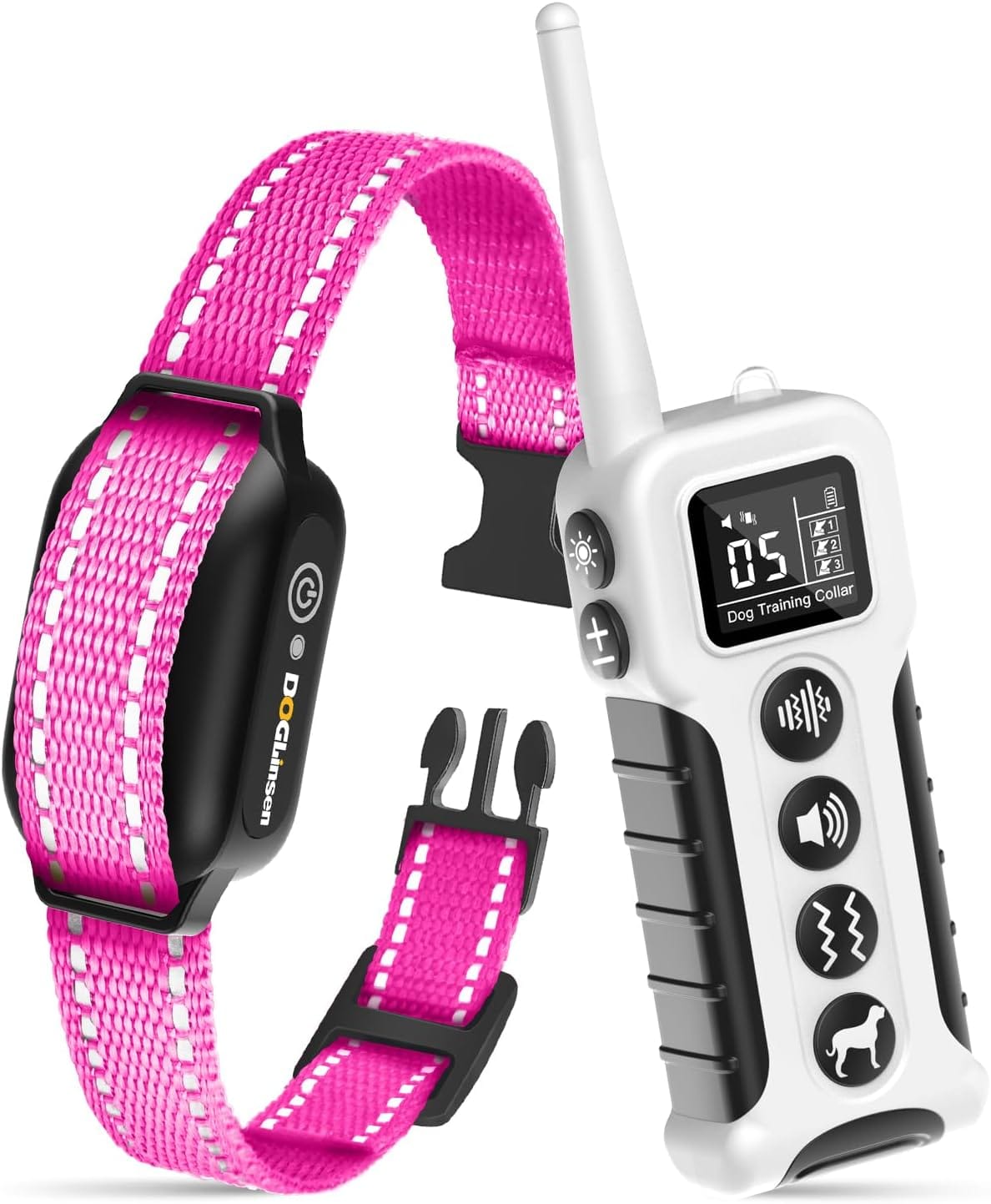
For many dog owners, training a beloved canine companion can be a journey filled with joy, challenges, and a whole lot of learning. As we explore the vast world of “Dog Care Stories,” understanding the tools available to help shape behavior becomes crucial. Among these, the vibrating dog training collar has emerged as a popular, albeit sometimes debated, option. This guide delves into what a vibrating training collar is, how it works, its potential benefits, and important considerations for responsible use, all within the broader narrative of our commitment to “Dog Care Story.”
Understanding the Vibrating Dog Training Collar
At its core, a vibrating dog training collar is a training aid designed to communicate with your dog through tactile sensations. Unlike shock collars, which deliver an electrical stimulus, these collars utilize a vibration motor to get a dog’s attention. The idea is to provide a noticeable, yet non-painful, sensation that can be associated with a command or a distraction. This gentle nudge aims to redirect a dog’s focus or reinforce a desired behavior without causing distress. The effectiveness of such a tool hinges on understanding your dog’s individual needs and implementing training with patience and consistency. For those seeking to understand various training methods, exploring resources on how do you train a deaf dog can offer insights into non-auditory communication techniques that share similar principles of gentle redirection.
How Does a Vibrating Collar Work?
The mechanism behind a vibrating training collar is straightforward. Typically, the system consists of a collar worn by the dog, which contains a small vibration unit, and a remote transmitter controlled by the owner. When the owner presses a button on the remote, it sends a signal to the collar, activating the vibration.
The key to using this tool effectively lies in association. Trainers and owners pair the vibration with a command or a desired action. For instance, if you’re teaching your dog to come when called, you might lightly tap the vibration button just as you say their name and command. Over time, the dog learns to associate the vibration with the cue to perform the action. Some advanced models also include customizable vibration levels, allowing owners to find the most effective intensity for their specific dog, much like adjusting settings on a gps training dog collar to ensure optimal tracking and communication.
The Role of Vibration in Dog Communication
Dogs perceive vibrations as a distinct physical sensation. For dogs, especially those with hearing impairments, this vibration can be a clear and understandable signal. Even for hearing dogs, a vibration can serve as a gentle interruption to unwanted behavior or a prompt to pay attention. It’s a way to communicate without startling or scaring them, making it a potentially humane alternative for certain training scenarios. The goal is to create a clear line of communication, much like using a vibrating dog training collars to encourage a specific response.
Potential Benefits of Using a Vibrating Collar
When used correctly and responsibly, vibrating collars can offer several advantages in dog training:
- Non-Aversive: Unlike shock collars, vibrations are generally considered non-aversive. This means they are less likely to cause fear, anxiety, or pain, which are detrimental to a dog’s well-being and the owner-dog bond.
- Effective for Distraction and Attention: The vibration can be highly effective in capturing a dog’s attention, especially in distracting environments. A sudden vibration can interrupt unwanted behaviors like excessive barking or pulling on the leash, providing an opportunity to redirect the dog to a desired action.
- Useful for Hearing-Impaired Dogs: For dogs with partial or complete hearing loss, vibrating collars can be an invaluable tool for communication and safety. They provide a tactile alert that the dog can perceive, helping them respond to commands or warnings.
- Can Supplement Other Training Methods: A vibrating collar is not a standalone solution but can be a supplementary tool. It can be used in conjunction with positive reinforcement, clicker training, and verbal cues to enhance communication and achieve training goals more efficiently. For owners looking for a comprehensive approach, understanding the nuances of different training tools, such as those found when looking for a best training shock collar for dogs (though focusing on vibration here), highlights the importance of choosing the right aid for the task.
Responsible Use and Important Considerations
While vibrating collars offer benefits, their use requires careful consideration and a commitment to ethical training practices. Simply placing a collar on a dog and expecting it to behave is ineffective and potentially harmful.
Proper Introduction and Acclimation
It’s crucial to introduce the collar gradually. Allow your dog to wear the collar for short periods without activation to get used to the sensation. Associate the collar with positive experiences, such as playtime or treats. Never use the vibration to punish your dog; always pair it with a command or a redirection.
Understanding Your Dog’s Temperament
Every dog is an individual. What works for one dog might not work for another. Some dogs are more sensitive than others. It’s essential to observe your dog’s reactions closely. If your dog shows signs of fear, anxiety, or stress when the collar vibrates, discontinue use and consult with a professional dog trainer. The goal is always to build trust and a positive relationship, not to create a fearful obedience.
When to Seek Professional Guidance
If you’re struggling with a particular behavior or are unsure about how to use a vibrating collar effectively, seeking help from a certified professional dog trainer or a veterinary behaviorist is highly recommended. They can assess your dog’s needs, provide personalized training plans, and ensure you’re using any training tools responsibly and ethically. They can also guide you on whether a tool like a vibrating collar is appropriate for your specific situation, or if alternatives, perhaps even something as simple as a well-chosen walmart dog training collar that focuses on basic leash control, might be more suitable.
Remember, the “Dog Care Story” is about building a partnership based on understanding, trust, and mutual respect. Training tools should always serve to enhance this relationship, not detract from it.
Vibrating Collars vs. Other Training Methods
It’s important to place vibrating collars within the broader spectrum of dog training techniques. While they can be effective for certain applications, they are not a magic bullet.
- Positive Reinforcement: This method focuses on rewarding desired behaviors, making them more likely to occur again. It’s widely considered the most humane and effective approach for building a strong bond and teaching a wide range of behaviors.
- Clicker Training: This involves using a clicker to mark the exact moment a dog performs a desired behavior, followed by a reward. It provides clear and immediate feedback to the dog.
- Other Electronic Collars: While this guide focuses on vibration, it’s worth noting that other electronic collars exist, such as e-collars (shock collars) and citronella spray collars. These differ significantly in their aversive nature and should be approached with extreme caution, if at all, and only under professional guidance.
A vibrating collar can serve as a bridge between purely positive methods and more direct intervention, offering a distinct sensory cue that can be less intrusive than a shock. However, it should ideally be used to enhance positive reinforcement, not replace it. For example, using the vibration to get a dog’s attention before asking for a known command can speed up the learning process.
Common Scenarios for Using a Vibrating Collar
- Distraction Training: When your dog is overly focused on something in the environment (another dog, a squirrel) and not responding to your cues, a gentle vibration can help break their fixation, allowing you to regain their attention.
- Recall Training: In open, safe spaces, a vibration can be used as an additional cue to encourage your dog to return to you when called.
- Preventing Undesired Behaviors: For persistent behaviors like nuisance barking or jumping, a vibration can interrupt the action, giving you a window to redirect your dog to a calmer or more appropriate behavior.
Conclusion: Integrating Vibrating Collars into Your Dog’s Story
The vibrating dog training collar is a tool that, when used with knowledge, patience, and empathy, can play a role in a comprehensive training program. It offers a unique way to communicate with our canine companions, particularly in managing distractions and reinforcing commands. As part of the “Dog Care Story,” our aim is always to provide clear communication and effective guidance for our dogs. By understanding how these collars work, their potential benefits, and the paramount importance of responsible use, owners can make informed decisions about whether this tool aligns with their training philosophy and their dog’s individual needs. Always prioritize your dog’s well-being and consult with professionals to ensure you are crafting the most positive and effective training narrative for your furry friend.
