
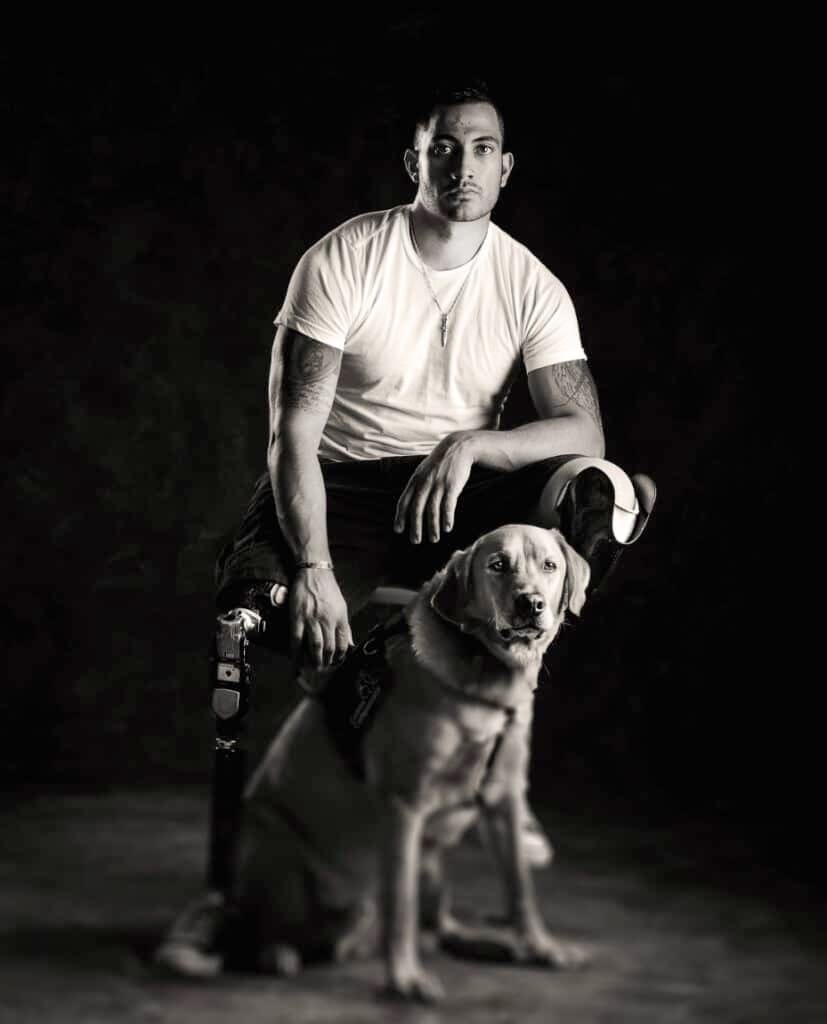
Finding the right support for veterans can make a profound difference in their lives, and for many, a service dog offers a unique and powerful path to healing and independence. These highly trained canine companions provide invaluable assistance, mitigating the effects of physical and mental health challenges faced by those who have served. If you’re a veteran searching for “Veteran Service Dog Training Near Me,” you’re embarking on a journey to find a partner that can significantly enhance your quality of life. This guide will help you navigate the process of finding and training a service dog, ensuring you connect with the best resources available.
Understanding Service Dogs for Veterans
Service dogs are specifically trained to perform tasks that assist individuals with disabilities. For veterans, these disabilities can range from Post-Traumatic Stress Disorder (PTSD), Traumatic Brain Injury (TBI), and mobility impairments to hearing or vision loss. Unlike emotional support animals, service dogs undergo rigorous, specialized training to perform specific, observable tasks related to their handler’s disability.
PTSD and TBI Assistance Dogs
For veterans experiencing PTSD or TBI, service dogs can be trained to:
- Interrupt flashbacks or nightmares: By nudging, licking, or lying on their handler, dogs can ground them in the present.
- Provide deep pressure therapy: During moments of anxiety or panic, the dog can lie across their handler’s lap or chest, providing a calming, comforting weight.
- Create a buffer in crowded spaces: The dog can be trained to position themselves between the veteran and others, creating a sense of security.
- Wake their handler from nightmares: Alerting their handler to the episode allows for timely intervention.
- Remind handlers to take medication: A simple nudge or paw can serve as a reminder for critical daily routines.
Mobility Assistance Dogs
Veterans with physical disabilities may benefit from dogs trained to:
- Retrieve dropped items: This includes keys, phones, or medication, reducing the need for bending or reaching.
- Open and close doors: Using specialized harnesses or their mouths, dogs can operate door handles.
- Provide balance and support: Some dogs can be trained to act as a steadying force, similar to a cane or walker.
- Assist with braces or prosthetics: Dogs can help put on or take off mobility aids.
Hearing and Vision Impairment Dogs
For veterans with sensory impairments, dogs can be trained to:
- Alert to sounds: Such as doorbells, alarms, or a baby crying, guiding their handler to the source.
- Guide their handler: Navigating obstacles and dangerous situations for those with visual impairments.
Finding Veteran Service Dog Training Programs Near You
Locating a reputable “veteran service dog training” program requires careful research. Not all organizations are created equal, and it’s crucial to find one that specializes in or has extensive experience with veteran clients.
Key Factors to Consider:
- Accreditation and Affiliation: Look for organizations accredited by reputable bodies such as Assistance Dogs International (ADI) or the International Guide Dog Federation (IGDF). While not all great programs are accredited, accreditation signifies a commitment to high standards.
- Specialization in Veteran Needs: Programs with a specific focus on training service dogs for veterans often understand the unique challenges and needs of this population. They may have a deeper understanding of PTSD, TBI, and the specific tasks required.
- Training Methodology: Inquire about their training methods. Positive reinforcement and force-free training are generally considered the most ethical and effective. Understand the timeline and duration of the training.
- Cost and Funding: Training a service dog is expensive. Many reputable organizations offer their dogs at little or no cost to the veteran, often through grants, donations, and fundraising efforts. Be wary of programs that charge exorbitant fees upfront without clear justification or support structures. If you are looking for affordable service dog training, research organizations that specifically cater to veterans with financial needs.
- Veteran Support and Follow-Up: A good program will offer ongoing support and follow-up after the dog is placed with the veteran. This includes troubleshooting, additional training, and ensuring a successful long-term partnership.
- Dog Selection and Health: Understand how the program selects dogs for service work. Are they screened for health issues and temperament? What breeds are typically used, and why? A healthy, well-tempered dog is crucial for successful service.
- Matching Process: The program should have a thorough process for matching a veteran with the right dog, considering personality, energy levels, and specific task needs.
Reputable Organizations to Explore:
While a direct search for “veteran service dog training near me” is essential, consider these national organizations that may have local chapters or referral networks:
- America’s VetDogs: This organization provides specially trained service dogs, as well as PTSD service dogs and mobility assistance dogs, to disabled veterans and active-duty service members at no charge. They have a comprehensive program and are highly respected.
- The Warrior Dog Foundation: Focused on rescuing and training dogs for veterans with PTSD and other invisible injuries, this organization emphasizes a holistic approach to recovery.
- Puppies Behind Bars: While not exclusively for veterans, this program trains dogs in correctional facilities, with some of the dogs going on to become service or facility dogs for veterans.
- Local Non-Profits: Many smaller, regional organizations are dedicated to training service dogs for veterans. Searching for “veteran service dog training [your state]” or “[your city]” can help uncover these valuable local resources.
The Training Process: What to Expect
The journey of obtaining and training a service dog involves several stages, whether you’re working with a program that places already-trained dogs or one that guides you through the process.
Program-Trained Dogs
Many veterans work with programs that have already trained dogs to a high standard. In this scenario, the process typically involves:
- Application and Vetting: You’ll submit an application detailing your needs and undergo an interview process.
- Matching: The program will match you with a suitable dog based on your requirements and the dog’s temperament and abilities.
- Team Training: You and your dog will undergo intensive, in-residence training (usually 2-3 weeks) at the program facility. This phase is crucial for building your bond and ensuring you understand how to work with your dog.
- Public Access Training: You’ll learn how to navigate public spaces with your service dog, understanding laws and etiquette.
- Follow-Up Support: The program will provide ongoing support, check-ins, and potentially additional training sessions as needed.
Owner-Training or Hybrid Programs
Some veterans may choose to owner-train a dog, or participate in hybrid programs where the organization provides guidance and support throughout the process. This often involves:
- Dog Selection: Assisting you in selecting a suitable puppy or young dog.
- Curriculum and Guidance: Providing a structured training curriculum, classes, and one-on-one coaching.
- Task Training: Helping you train specific tasks related to your disability. This requires significant commitment, time, and often, professional guidance.
- Certification: While service dogs are not legally required to be certified in the U.S., many owner-trainers seek evaluation through organizations that offer certifications to validate their dog’s training and public access readiness. Some programs specialize in service dog training courses that can guide you through this.
Preparing for Your Service Dog
Bringing a service dog into your life is a significant commitment. Preparation is key to a successful partnership.
Assess Your Lifestyle and Needs
Honestly evaluate your daily routine, living situation, and the specific tasks you need a service dog to perform. Consider:
- Your energy levels and ability to care for a dog (feeding, grooming, exercise).
- Your living environment (apartment, house, yard access).
- Your willingness to follow a consistent training and care regimen.
Understand the Legal Rights and Responsibilities
As a handler of a service dog, you have rights under the Americans with Disabilities Act (ADA) in public places. However, you also have responsibilities:
- Your dog must be under your control at all times, typically via a harness, leash, or voice command.
- Your dog must be house-trained.
- You are responsible for your dog’s behavior and care.
Prepare Your Home and Family
Ensure your home is safe and ready for a new dog. Discuss expectations with family members or housemates, as they will also be part of the team.
The Lifelong Journey of a Service Dog Partnership
The relationship with a service dog is a lifelong commitment. It’s a partnership built on trust, training, and mutual understanding. The benefits extend far beyond the tasks the dog performs; they offer companionship, reduce isolation, and foster a greater sense of independence and well-being. If you are a veteran seeking a transformative support system, exploring “veteran service dog training” options is a powerful step towards reclaiming your life and embracing a future with a loyal, capable partner by your side. Remember to research thoroughly, ask questions, and find a program that aligns with your needs and values. The right service dog can truly change lives.
