
Communicating with our canine companions is one of the most rewarding aspects of being a dog owner. We use words, hand signals, and body language, but what if there was a tool that could cut through the noise, travel farther than your voice, and provide a perfectly consistent cue every single time? This is where the practice of Using A Whistle For Dog Training comes in. It’s a classic method that remains incredibly effective for everything from basic recall to complex field commands, offering a unique line of communication between you and your dog.
This guide will explore the ins and outs of whistle training, from choosing the right instrument to teaching your dog what its specific sounds mean. It’s a journey that enhances your bond and sharpens your dog’s listening skills in a remarkable way. For those interested in various training methodologies, it’s interesting to note how sound-based cues are a universal concept, much like exploring what language are k9 dogs trained in reveals the core principles of conditioning.
Why Use a Whistle for Dog Training?
Before diving into the “how,” let’s understand the “why.” While your voice is a powerful tool, it has limitations. A training whistle offers several distinct advantages that can make your training sessions more efficient and effective.
- Consistency is Key: A whistle produces the exact same sound, at the same pitch and tone, every single time you use it. The human voice, on the other hand, is influenced by emotion. If you’re anxious, frustrated, or excited, the tone of your verbal “Come!” command can change, potentially confusing your dog. A whistle eliminates this emotional variable, providing a clear and unambiguous signal.
- Cuts Through Distractions: The high frequency of a dog whistle can travel long distances and cut through ambient noise like wind, traffic, or other barking dogs. This makes it an invaluable tool for off-leash training in parks, fields, or hiking trails where your voice might get lost.
- Reduces “Verbal Noise”: We often talk to our dogs all day, which can sometimes lead to them tuning us out. A whistle is a distinct, specific sound that is used only for commands. This novelty helps it stand out, making your dog more likely to pay immediate attention when they hear it.
- Less Effort for You: Shouting for your dog across a large field can be tiring and strain your voice. A sharp blast on a whistle is far easier and more effective at getting their attention from hundreds of yards away.
According to Dr. Eleanor Vance, a respected canine behaviorist, “Whistle training taps into a dog’s innate ability to respond to clear, consistent acoustic signals. It removes the emotional static of the human voice, creating a direct and reliable channel of communication that dogs often find easier to process, especially at a distance.”
Choosing the Right Whistle for Your Dog
Walking into a pet supply store or browsing online reveals a surprising variety of dog whistles. They aren’t all created equal, and the best one for you depends on your specific needs and environment.
Types of Dog Training Whistles
- “Silent” Ultrasonic Whistles: These are perhaps the most famous type. They operate at a very high frequency (ultrasound) that is largely inaudible to humans but well within a dog’s hearing range. They are great for training in quiet neighborhoods or if you simply don’t want to disturb others. However, their range can sometimes be more limited than audible whistles.
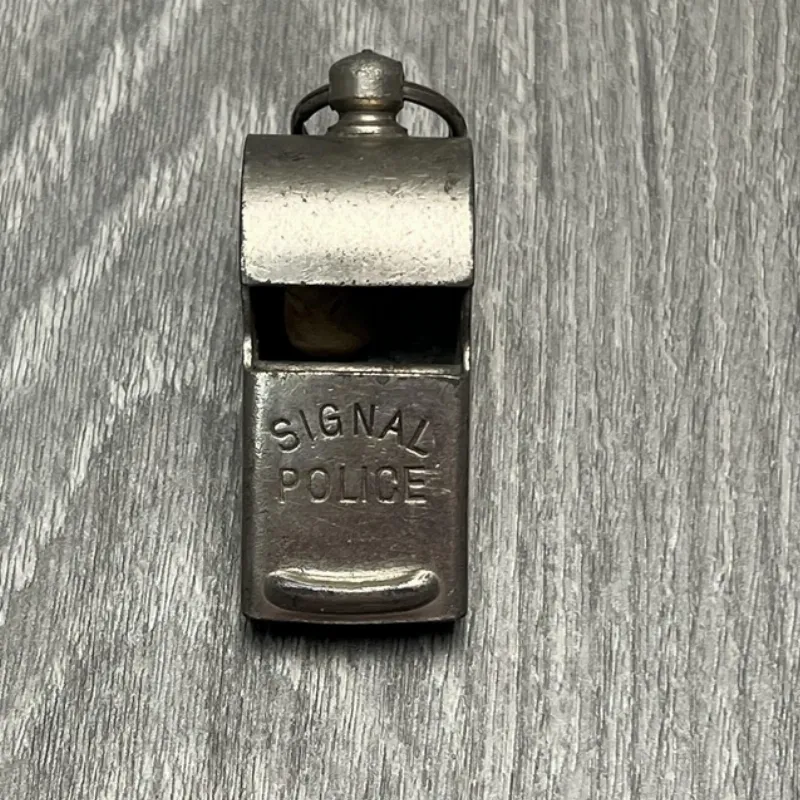
- Pea Whistles: This is the classic coach’s whistle, with a small cork ball (the “pea”) inside. It produces a sharp, trilling sound. While effective and loud, the pea can sometimes freeze or get stuck with debris, making it less reliable in very cold or dirty conditions.
- Pealess Whistles: These are often preferred by professional trainers. They have no moving parts, making them incredibly reliable in all weather conditions. They produce a very loud, clear, and consistent single tone that carries exceptionally well over long distances.
 A close-up shot of three different types of dog training whistles—an ultrasonic, a pea whistle, and a pealess whistle—arranged neatly on a wooden surface.
When making your choice, consider your primary training environment. For park recall, a silent whistle might be perfect. For hunting or fieldwork, a robust, pealess whistle is almost always the superior option. The equipment for these activities is specialized, much like a waterfowl dog training kit contains specific tools for the job.
How to Start Using a Whistle for Dog Training
The process of teaching your dog to respond to a whistle is based on the principle of classical conditioning, just like clicker training. You are teaching your dog that the sound of the whistle predicts a wonderful outcome.
Step 1: Charge the Whistle
Before you can give commands, you must give the whistle’s sound a positive meaning. This is called “charging” or “loading” the whistle.
- Gather High-Value Treats: Find a treat your dog absolutely loves—small pieces of chicken, cheese, or high-quality commercial treats work well.
- Initial Association: In a quiet room with no distractions, simply blow a short, sharp blast on the whistle (let’s call this the “pip” sound). The instant you finish the pip, give your dog a treat.
- Repeat: Do this 5-10 times in a row. Pip, treat. Pip, treat. There is no command and no expectation from the dog yet. You are simply building the association: whistle sound = delicious reward.
- Keep Sessions Short: Keep these initial sessions very short (just a minute or two) and repeat them several times a day for a couple of days.
Step 2: Introduce the Recall Command
The recall, or “come,” is the most important command to teach and the perfect place to start with whistle training.
- Start Close: In your house or a secure yard, let your dog be a few feet away.
- Combine Cues: Say your verbal “Come!” command, and immediately follow it with a series of quick pips on the whistle.
- Reward Big: When your dog comes to you, praise them enthusiastically and give them a high-value treat. Throw a party!
- Practice: Repeat this in short sessions, gradually increasing the distance between you and your dog.
Step 3: Fade the Verbal Cue
Once your dog is reliably coming to the verbal-whistle combination, it’s time to let the whistle do the work on its own.
- Whistle First: Start using just the whistle command (the series of pips) without saying “Come!” first.
- Continue Rewarding: When they respond correctly to the whistle alone, reward them generously. If they seem confused, you can take a step back and do a few more repetitions with the combined cue before trying again. The goal is for the dog to understand that the whistle itself is the command. This is a core principle seen in many training methods, including those popularized by trainers you might find when looking into zac george dog training.
Step 4: Proofing the Behavior
“Proofing” means training your dog to respond to the command in various environments with different levels of distraction.
- Change Locations: Move your training to a quiet park, then a busier park, and other new locations.
- Increase Distance: Practice your whistle recall from increasingly longer distances. The whistle’s ability to carry is a huge asset here.
- Add Distractions: Practice when other dogs are (at a safe distance) or when people are walking by. Every success in a distracting environment should be heavily rewarded.
Advanced Whistle Commands
The recall is just the beginning. The true power of using a whistle for dog training is realized when you create a “language” of different cues. Professional trainers, especially in the world of gundogs, use a variety of whistle blasts to communicate complex instructions.
- The “Stop” Command: A single, long blast on the whistle can be trained to mean “stop and look at me.” This is an incredibly important safety command that can prevent your dog from running into a dangerous situation. It’s taught by blowing the long blast while your dog is moving and rewarding them for pausing.
- Directional Cues: Different combinations of pips can be used to direct a dog left or right, which is essential in fieldwork and advanced obedience.
Developing these skills often requires dedication and can be greatly enhanced through structured learning, which is why many handlers look into specialized dog hunting training classes to master these techniques.
Common Mistakes to Avoid
Whistle training is straightforward, but a few common pitfalls can slow your progress.
- Not Charging the Whistle: The most common error is trying to use the whistle as a command before a strong positive association has been built. If the sound means nothing to the dog, it will be ignored.
- Overusing the Whistle: Don’t nag your dog with the whistle. Blow the command once. If they don’t respond, it means you need to go back to basics in a less distracting environment. Constantly repeating the command will teach the dog they only need to listen after the fifth pip.
- Inconsistency: Use the same whistle and the same sound for the same command every single time. If your recall cue is “pip-pip-pip,” don’t sometimes use “piiiip-pip.” Consistency is the foundation of clear communication.
By understanding the principles and following a structured approach, using a whistle for dog training can transform your relationship with your dog, building a reliable and responsive partner who listens intently for your unique signal.
Frequently Asked Questions (FAQ)
1. At what age can I start whistle training my puppy?
You can start as soon as you bring your puppy home, typically around 8 weeks old. The initial “charging” phase is a simple and positive association game that is perfect for young pups. Keep sessions extremely short and fun.
2. Will a “silent” dog whistle hurt my dog’s ears?
No, ultrasonic whistles are not harmful to a dog’s ears. They operate at a frequency that is sensitive to dogs but not painful. The volume is no more damaging than any other sound in their environment; it’s simply at a pitch we cannot hear.
3. Can I use a whistle to stop my neighbor’s dog from barking?
This is generally not an effective or recommended use. A whistle is a training tool meant to build a positive association with your own dog. Using it as an aversive tool for another dog will likely just confuse or agitate them without solving the root cause of the barking.
4. What if my dog doesn’t respond to the whistle?
If your dog ignores the whistle, it almost always means you need to go back a step. Re-charge the whistle with high-value treats in a distraction-free setting to rebuild the positive association. Ensure the reward is exciting enough to make responding worthwhile for your dog.
5. Do I need a different whistle for each command?
No, you use one whistle and create different commands with different sound patterns. For example, a series of short pips might mean “come,” while one long blast means “stop.” This creates a clear language with a single tool.
