
Cat Urine Spraying is a common behavioral issue that can leave pet owners puzzled and frustrated. While it might seem like an unusual or even aggressive act, spraying is a natural form of communication for cats, primarily used to mark territory and convey information to other felines. Understanding why your cat sprays and how to address it is crucial for maintaining a harmonious home environment. This article delves into the physical signs of spraying, whether it’s exclusive to male cats, its prevalence, and effective strategies for management.
What Does Cat Urine Spraying Look Like?
Observing your cat’s behavior can provide clear indicators of spraying. Typically, a cat will back up to a vertical surface, often after intensely sniffing the area. They will stand with their hindquarters raised and their tail held upright and quivering. During this stance, they may rhythmically move their back legs, commonly referred to as “treading,” while squirting a small amount of urine, usually less than 2 milliliters. While less common, some cats may spray urine on horizontal surfaces, often targeting objects or clothing on the floor, either from a squatting position or while standing.
The distinctive odor of urine marking can often be the first clue. However, the physical evidence might be subtle. You might notice a small trickle of a yellowish-brown, sticky substance on baseboards, radiators, or doors, accompanied by a small wet patch on the floor. In certain instances, a larger puddle of urine might be present on the floor, though this can also occur during normal urination. Common targets for urine spraying include electrical items, floor-to-ceiling curtains, sofas, chairs, plastic bags, clothing, and any new items introduced into the home.
Is Urine Spraying Exclusive to Male Cats?
It is a common misconception that only male cats spray urine. In reality, both male and female cats can engage in this behavior, although it is more frequently observed in males. Spraying is particularly prevalent in unneutered cats, who tend to be more territorial and use urine to communicate their readiness to mate to other cats. However, a significant decrease in urine spraying is usually observed after a male cat is castrated or a female cat is spayed.
Is Cat Urine Spraying a Common Problem?
In neutered cats, approximately 10% of males and 5% of females exhibit urine spraying. The likelihood of this behavior increases proportionally with the number of cats in a household. This heightened probability is attributed to the increased social stress that arises when more cats are competing for space and resources.
Managing and Preventing Cat Urine Spraying
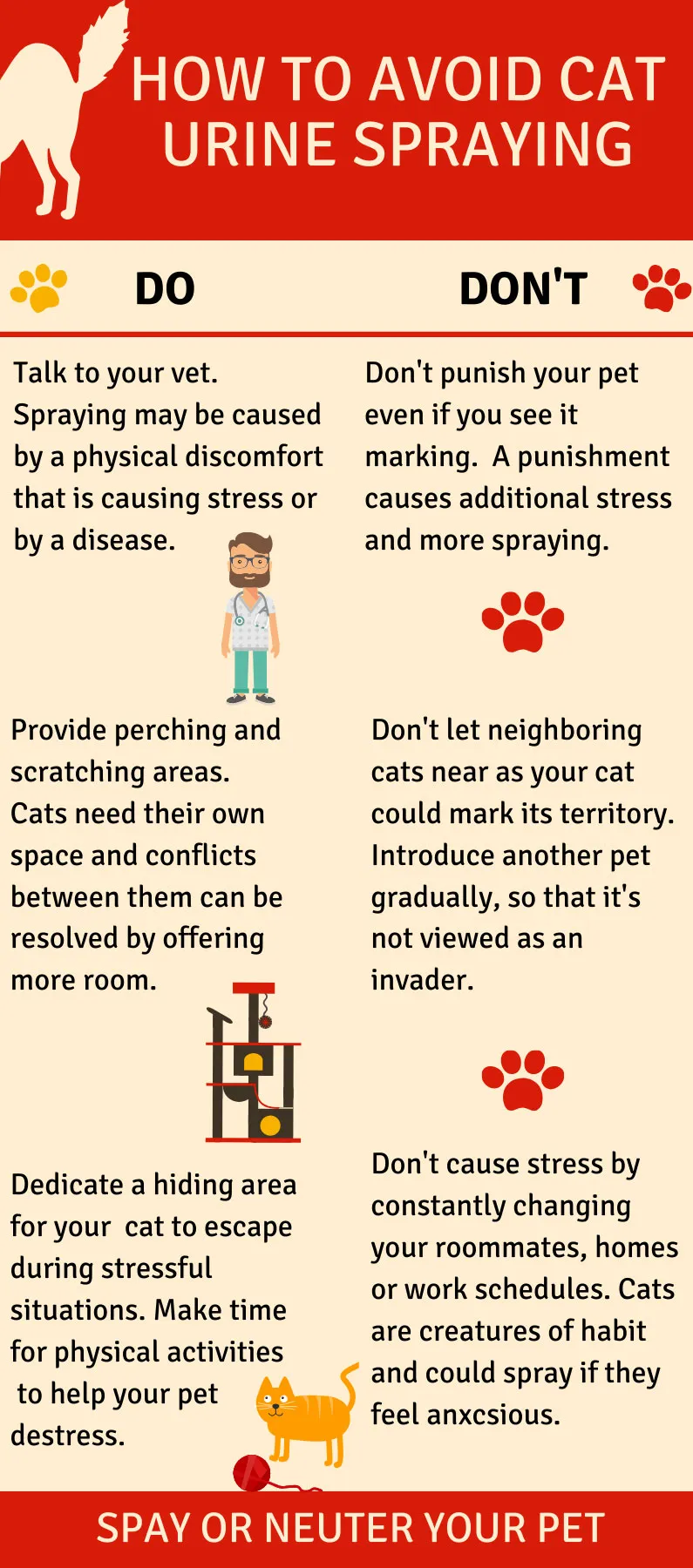
Addressing urine spraying often involves understanding and mitigating the underlying cause. For territorial marking, especially in multi-cat households, creating distinct territories for each cat and ensuring adequate resources (litter boxes, food bowls, resting spots) can help reduce stress. Introducing new pets or items should be done gradually and positively.
For cats spraying due to stress or anxiety, creating a secure and predictable environment is key. This can include providing vertical spaces for climbing and perching, using pheromone diffusers (like Feliway) to create a calming atmosphere, and establishing consistent daily routines. My cat won t stop meowing might be a sign of underlying stress or discomfort that could also lead to spraying.
If spraying is related to mating behaviors, spaying or neutering is the most effective solution. For both intact and neutered cats, ensuring litter boxes are clean, accessible, and appealing is vital. Cats are fastidious, and an unclean or improperly located litter box can lead them to seek alternative “bathroom” spots. If your female cat is experiencing spraying related to heat cycles, addressing her reproductive status is paramount. For more information on this specific issue, you can look into resources about female cat spraying in heat.
In cases where the cause is unclear or persistent, consulting a veterinarian or a certified animal behaviorist is highly recommended. They can help rule out any underlying medical conditions that might mimic spraying behavior and develop a tailored behavior modification plan.
Conclusion
Cat urine spraying is a complex behavior rooted in a cat’s natural instinct to communicate and establish territory. While it can be a challenging issue for owners, a thorough understanding of its causes—ranging from territorial disputes and mating instincts to stress and anxiety—allows for targeted interventions. By implementing strategies such as environmental enrichment, stress reduction, proper litter box management, and, when appropriate, surgical sterilization, owners can significantly reduce or eliminate spraying behavior, leading to a more peaceful coexistence with their feline companions. Remember, patience and consistency are key to successfully managing this common feline concern.
