
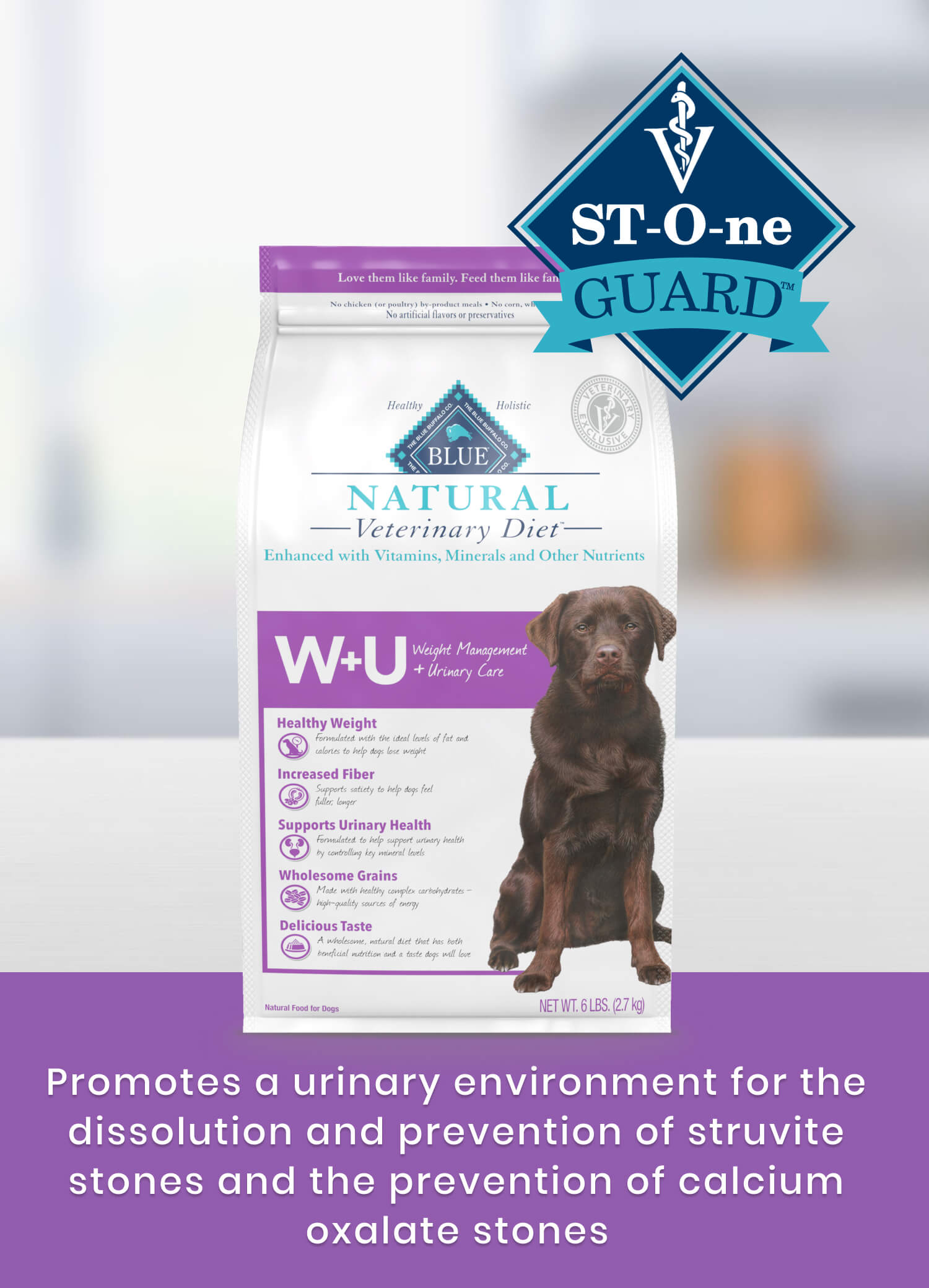
Maintaining your dog’s urinary health through proper nutrition is paramount, and selecting the right dog food can significantly impact your canine companion’s well-being. This comprehensive guide delves into the best ingredients, food options, and dietary considerations to support your dog’s urinary tract wellness, ensuring they live a healthy and comfortable life.
Urinary problems are more common than many pet owners realize, affecting a considerable number of dogs. Research indicates that bacterial growth is often associated with urolithiasis, a common urinary issue. However, urinary tract infections (UTIs) are just one piece of the puzzle when it comes to canine urinary health. Multiple factors contribute to these problems, including genetics, age, and overall health, in addition to diet. Certain breeds may have a genetic predisposition to urinary stones due to their unique metabolic processes.
An imbalanced urine pH is frequently at the root of many urinary issues. The normal urine pH range for dogs is between 6 and 7.5. When the pH deviates from this range, it can lead to the formation of crystals or stones, potentially causing discomfort, blockages, and, if left untreated, life-threatening conditions.
A dog’s diet has a direct and significant impact on their urinary health. Foods excessively high in certain minerals, particularly magnesium and phosphorus, can elevate the risk of stone formation. Conversely, incorporating moisture-rich foods helps to flush the urinary system, thereby reducing the likelihood of infections and stone development. The quality and quantity of protein are also critical. While dogs need protein, an excess of low-quality protein can lead to increased urea production, which may stress the kidneys and bladder. For this reason, many veterinarians advocate for moderate amounts of high-quality protein for dogs experiencing urinary issues.
Several key nutrients are vital for maintaining a healthy urinary tract. Omega-3 fatty acids, found in ingredients like fish oil, offer anti-inflammatory properties that can soothe the urinary tract. Antioxidants, such as vitamins C and E, support overall urinary health by combating oxidative stress. Cranberry extract is well-known for its ability to prevent bacteria from adhering to the bladder wall, which can help prevent UTIs. Glucosamine is another important compound that supports the health of the bladder lining. When choosing a dog food, checking for these beneficial nutrients on the ingredient list is a good practice. However, it is always recommended to consult with your veterinarian before making any substantial changes to your dog’s diet, especially if they have pre-existing health conditions.
While diet is a powerful tool for managing urinary health, it is not a substitute for regular veterinary care. Routine check-ups and urinalysis are crucial for the early detection of potential issues, allowing for more effective treatment and management strategies.
Key Ingredients for Canine Urinary Tract Health
When selecting dog food specifically formulated for urinary health, certain ingredients are particularly beneficial:
- High-Quality Protein Sources: Prioritize foods where whole animal proteins like chicken, turkey, lamb, and fish are listed as the primary ingredient. These provide essential amino acids without unduly taxing the urinary system.
- Controlled Mineral Content: A balanced mineral profile is crucial. Look for dog foods with phosphorus levels between 0.2% and 0.7% and magnesium levels below 0.1% to minimize the risk of stone formation. While calcium is essential, moderation is key, with levels between 0.5% and 0.8% (on a dry matter basis) being optimal for preventing calcium oxalate stones.
- Omega-3 Fatty Acids and Antioxidants: Ingredients rich in omega-3s, such as fish oil or flaxseed, help reduce inflammation within the urinary tract and bolster the immune system. Antioxidants like vitamin E and vitamin C combat oxidative stress. Foods containing fruits and vegetables, like blueberries, cranberries, and sweet potatoes, are excellent natural sources of these vital compounds.
- Moisture-Rich Options: Adequate water intake is fundamental for urinary health. Wet dog foods typically contain around 75% moisture, significantly more than the 10% found in dry kibble. This higher moisture content helps dilute urine and facilitates flushing of the urinary system. For dogs that prefer dry food, adding water or low-sodium broth to their kibble can increase moisture intake. A combination of wet and dry food can also be an effective strategy, boosting hydration while retaining the dental benefits of kibble.
- Specialized Urinary Support Ingredients: Certain formulas incorporate specific ingredients aimed at urinary health. Cranberry extract, for instance, is known to inhibit bacterial adhesion to the bladder wall, potentially lowering UTI risk. Glucosamine contributes to the health of the bladder lining. These targeted ingredients can offer supplementary support for dogs predisposed to urinary issues.
The careful selection of these ingredients forms the bedrock of effective urinary health support. The best dog food options for urinary health expertly combine these elements into balanced formulas specifically designed for urinary care.
Top Dog Food Choices for Urinary Health
Navigating the market for the best urinary health dog food can be challenging. Here’s a breakdown of the primary options available:
- Prescription Urinary Health Diets: These diets are specifically formulated by veterinarians to address particular urinary tract problems in dogs. They often include increased fiber to promote satiety. While different prescription diets may work better for individual dogs, most veterinarian-recommended therapeutic foods aim to manage specific health issues. It’s important to note that these specialized diets can be more costly, potentially averaging around $3 per day for a 50-pound dog.
- Over-the-Counter Urinary Support Formulas: For dogs experiencing mild urinary concerns or those requiring preventative care, over-the-counter formulas can be a suitable choice. Reputable brands like Blue Buffalo and Royal Canin offer urinary care options that do not require a prescription. These foods typically incorporate beneficial ingredients such as cranberries and maintain balanced pH levels to support urinary health. They are generally more affordable than prescription diets, costing approximately $1-$2 per day for a medium-sized dog.
- The Benefits of Wet Food: The high moisture content in wet food is a significant advantage for urinary health. Studies suggest that increased liquid intake leads to more dilute urine, improving hydration. Wet foods naturally boost overall hydration and encourage more frequent urination, which aids in flushing the urinary system.
- Considerations for Dry Food: Dry food offers convenience and contributes to dental hygiene. If you opt for dry food, consider adding water or low-sodium broth to increase moisture levels. Some owners find success by mixing wet and dry food to leverage the benefits of both. When choosing dry urinary health food, always check the guaranteed analysis for phosphorus levels between 0.2% and 0.7% and magnesium levels below 0.1% to ensure a healthy urinary environment.
- The Indispensable Role of Veterinary Guidance: While diet is crucial for managing urinary health, it cannot replace professional veterinary care. Regular veterinary check-ups and urinalysis are essential for early detection and effective management of urinary issues. Always seek your veterinarian’s advice before making any significant dietary changes, particularly if your dog has existing health conditions.
Final Recommendations for Urinary Health
The selection of an appropriate dog food for urinary health can profoundly enhance your canine companion’s quality of life. Foods that feature high-quality protein sources, carefully controlled mineral content, and adequate moisture are key to supporting optimal urinary tract function. Your veterinarian remains your most valuable resource for tailored advice, recommending specific diets, and monitoring your dog’s progress through regular check-ups and urinalysis.
When transitioning your dog to a new urinary health diet, it’s advisable to do so gradually over a period of 7-10 days. This involves mixing increasing amounts of the new food with decreasing amounts of the old food to prevent digestive upset. Closely observe your dog’s response to the new diet, paying attention to any changes in urination habits, water intake, and their overall health and well-being.
At DogingtonPost, we are committed to providing you with the most current information on canine health and nutrition. Our platform offers a wealth of resources to empower you in making informed decisions about your dog’s care, including expert insights into urinary health management. By working closely with your veterinarian, you can ensure your beloved furry friend maintains optimal urinary health for many years to come.
