
Determining the appropriate daily food intake for your feline companion is crucial for their health and well-being, especially when managing their weight. While selecting high-quality cat food addresses nutritional needs, portion control and understanding caloric requirements can be challenging for many cat parents. This guide explores the factors influencing your cat’s caloric needs and provides a method for calculating their recommended daily food intake.
Understanding Your Cat’s Caloric Needs by Life Stage
A cat’s nutritional requirements vary significantly throughout their life. The following stages have distinct caloric needs:
- Kittenhood: Rapid growth during the first ten weeks demands a high intake of calories. As kittens mature, their caloric needs will decrease to support maintenance rather than growth.
- Adulthood: Adult cats typically require around 40–45 calories per kilogram of their healthy body weight. This range can be influenced by several factors.
- Seniorhood: Older cats generally consume 20–30% fewer calories than adult cats. However, geriatric cats (15+ years) may need slightly more food to maintain muscle mass.
Kitten Caloric Intake and Monitoring
Kittens require substantial energy for their rapid development. The following table outlines the recommended daily caloric intake based on a kitten’s weight:
| Kitten Weight (grams) | Recommended Daily Caloric Intake (kcal) |
|---|---|
| 100 | 31 |
| 200 | 52 |
| 300 | 88 |
| 400 | 104 |
| 900 | 162 |
| 1.4 kilograms | 225 |
| 1.8 kilograms | 272 |
| 2.3 kilograms | 327 |
| 2.7 kilograms | 369 |
| 3.2 kilograms | 419 |
| 3.6 kilograms | 457 |
| 4.1 kilograms | 504 |
| 4.5 kilograms | 541 |
To ensure your kitten is receiving adequate nutrition, observe their condition. Underfed kittens may exhibit weight loss and lethargy, while those receiving optimal nutrition will show steady weight gain (at least 10 grams per day in the initial weeks) and maintain a consistent feeding schedule. Overfeeding can lead to rapid weight gain.
Adult Cat Calorie Requirements
An average adult cat weighing 3–4 kilograms needs approximately 120–180 calories per day. This general guideline can be adjusted based on:
- Sex: Male cats are often larger and require slightly more calories than females of the same age and breed.
- Size: Genetic predispositions can result in cats of different sizes within the same breed, necessitating adjustments in food portions.
- Activity Levels: Outdoor cats or those with more active lifestyles require more energy and thus a higher caloric intake compared to indoor-only cats.
- Reproductive Status: Female cats that are pregnant or nursing have significantly increased nutritional requirements, needing up to 50% more calories.
Neutered and Spayed Cats: It’s common for spayed and neutered cats to gain weight post-procedure due to reduced metabolic rates. Veterinarians recommend reducing their calorie intake by about a quarter and monitoring their weight closely.
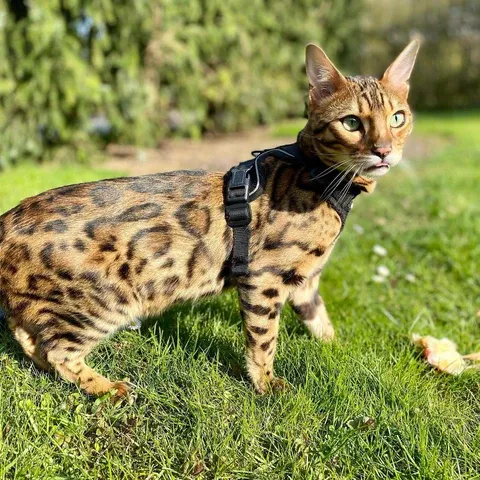 A playful cat reaching for a toy.
Senior Cat Nutrition
Senior cats typically require fewer calories than their adult counterparts. However, geriatric cats (15 years and older) may benefit from slightly increased food intake to help maintain muscle mass and overall body condition.
The Importance of Calorie Quality
Calories in cat food are not all equal. Opting for nutrient-dense foods over those high in “empty calories” (like grains and vegetable derivatives) is essential. High-quality, meat-based, and grain-free options provide better nutritional value and can help avoid common allergens.
Recognizing Overfeeding and Underfeeding
Monitoring your cat’s body condition is key to identifying potential issues:
Overfed Cats:
- Noticeable weight gain.
- Absence of a visible waistline.
- Difficulty feeling ribs under the fingers.
- Lethargy and reduced mobility.
Underfed Cats:
- Significant weight loss.
- Visible ribs and bones.
- Dull, dry coat, and excessive shedding.
- Weakness and lack of coordination.
Managing Obesity in Cats
Feline obesity can lead to serious health problems such as diabetes and cardiovascular disease. To help an obese cat lose weight, reduce their daily food intake by approximately 20% or feed them as if they were one kilogram lighter. Increasing playtime and using puzzle feeders can also aid in weight loss.
Feeding Underweight Cats
Cats that are underweight require a caloric surplus to regain a healthy weight. This can be achieved by offering smaller, more frequent meals and gradually increasing their caloric intake by about 20% until they reach their target weight. Adding healthy treats in moderation can also support weight gain.
Indicators of a Healthy Cat
A healthy cat typically displays the following characteristics:
- A defined waistline.
- A smooth, silky coat.
- Healthy pink gums.
- Bright, clear eyes.
- High energy levels.
- Consistent litter box habits with firm stool.
- Regular urination patterns.
Essential Components of a Healthy Feline Diet
Beyond calorie counting, a balanced diet for cats must include:
- Water: Adequate hydration is critical. While wet food contains about 70% moisture, cats on dry food diets should have readily available fresh water. Incorporating wet food or adding water to dry kibble can improve moisture intake.
- Protein: As obligate carnivores, cats derive energy primarily from animal protein. Protein is vital for growth and muscle maintenance. Essential amino acids like taurine, crucial for vision and heart function, are found in meat sources. Protein should constitute at least 50% of a cat’s diet. High-protein foods include chicken, turkey, salmon, and tuna.
- Fat: Fat is necessary for cell membrane function and nutrient absorption, comprising up to 20% of a cat’s daily intake. Lean meats provide appropriate fat levels. Excessive fat can lead to health issues like obesity and diabetes.
- Vitamins and Minerals: These are essential for all metabolic processes and organ function. Key vitamins include A, B complex, D, E, and K, alongside minerals like calcium, iron, and zinc.
 A cat looking curiously at a laptop screen.
Choosing the Right Cat Food
Cat food comes in various forms:
- Dry Food: Convenient and cost-effective, but often lacks sufficient moisture.
- Semi-Moist Food: Can contain high levels of empty calories and artificial additives.
- Wet Food: Closest to a wild cat’s natural diet in taste, texture, moisture content, and nutritional value.
Raw Food and Homemade Diets
While the appeal of a raw food diet (B.A.R.F.) exists, it carries risks of bacterial contamination (e.g., E. coli, Salmonella) and internal injuries. Homemade diets can be beneficial if formulated with veterinary guidance to ensure nutritional balance and proper preparation.
Considerations for Cat Food Brands
When selecting commercial cat food, look for brands that prioritize:
- Vet-formulated recipes.
- High protein content derived from quality animal sources.
- Human-grade ingredients.
- Ethical sourcing and environmentally conscious production.
Understanding Your Cat’s Hunger Cues
Cats communicate hunger through various behaviors, including rubbing against legs, leading owners to food areas, and vocalizing. If a cat appears constantly hungry despite adequate feeding, it’s advisable to consult a veterinarian to rule out underlying medical conditions such as parasites, hyperthyroidism, or diabetes.
Healthy Snacks for Cats
In moderation, certain human foods can be offered as snacks:
- Fruits: Pear, mango, apple, banana, apricot, cantaloupe, watermelon, cranberry, blueberry, strawberry. Ensure seeds, pits, and stems are removed.
- Vegetables: Peas, celery, carrots, spinach, pumpkin, cucumber, zucchini, cauliflower, green beans, sweet potato. Vegetables should be cooked or steamed.
- Grains: Millet, couscous, cornmeal. Grains must be boiled.
Always ensure fruits and vegetables are prepared without seeds, pits, or toxic parts, and grains are properly cooked.
Conclusion: Prioritizing Nutrition for a Healthy Life
Managing your cat’s caloric intake and ensuring their diet is rich in essential nutrients are fundamental to their long-term health. By understanding their life stage, activity level, and individual needs, you can provide a balanced diet that supports a healthy weight, energy levels, and overall well-being. Always consult with your veterinarian for personalized dietary recommendations.
