
What separates a well-behaved pet from a highly skilled working dog? The answer lies in the world of Ultimate K9 Dog Training. This advanced level of education goes far beyond simple commands like “sit” and “stay.” It’s about forging an unbreakable bond between a handler and their canine partner, unlocking a dog’s full potential to perform complex, demanding tasks with precision and unwavering focus. Whether for law enforcement, search and rescue, or elite canine sports, this discipline represents the pinnacle of canine capability.
This comprehensive guide explores the principles, techniques, and dedication required to achieve the highest standards in canine training. We will delve into what defines this elite training, the essential skills developed, and how you can embark on this rewarding journey. Understanding these concepts is crucial for anyone serious about canine performance, much like researching options such as sea dog animal training llc is for finding the right professional guidance.
What Exactly is Ultimate K9 Dog Training?
Ultimate K9 dog training is a specialized and intensive regimen designed to prepare dogs for high-stakes roles. Unlike basic obedience, which focuses on household manners, K9 training cultivates a dog’s natural drives—like prey, play, and hunt—and channels them into specific, reliable skills. This training is purpose-driven, with applications in several critical fields:
- Law Enforcement: Police K9s are trained for tasks such as suspect apprehension, narcotics detection, and evidence recovery.
- Military Operations: Military working dogs (MWDs) serve alongside soldiers, specializing in bomb detection, patrol, and tracking.
- Search and Rescue (SAR): These dogs are trained to locate missing persons in diverse environments, from collapsed buildings to wilderness areas.
- Elite Competition Sports: Disciplines like Schutzhund (now IGP), Mondioring, and French Ring test a dog’s abilities in obedience, protection, and tracking at the highest level.
The core philosophy is built on creating a dog that is not only obedient but also confident, adaptable, and capable of making intelligent decisions under pressure.
 A German Shepherd in the middle of an agility course for its ultimate k9 dog training program.
Foundational Principles of Elite Canine Training
Achieving excellence in K9 training requires a deep understanding of canine behavior and learning theory. It’s not about force; it’s about communication, motivation, and mutual respect.
The Handler-Dog Bond
The relationship between the handler and the dog is the bedrock of all advanced training. This bond is forged through countless hours of shared experiences, clear communication, and consistent leadership. A dog that trusts its handler will work with more enthusiasm, confidence, and a willingness to push its limits. This connection turns training from a series of exercises into a collaborative partnership.
Motivation and Drive
Top trainers understand how to harness a dog’s innate drives. Instead of suppressing instincts, they are redirected. For a scent-driven dog, the “hunt” for a specific odor becomes a rewarding game. For a high-energy dog, a protection routine becomes a structured outlet for its power. The key is to make the desired behavior the most rewarding and fulfilling activity for the dog, often using toys, praise, or play as a high-value reward. Knowing the specifics of a program, like the k9 mania dog training cost, can help you budget for the necessary tools and professional guidance to build this motivation effectively.
Consistency and Clarity
In the world of ultimate K9 dog training, consistency is everything. Commands must be given with the same tone and body language every time. Rewards and corrections must be applied immediately and fairly. This clarity eliminates confusion and helps the dog understand exactly what is expected of it, building a reliable response even in chaotic situations.
Dr. Sarah Miller, a fictional expert in canine behavior, states: “The most successful K9 units operate on a principle of absolute predictability for the dog. The dog knows its job, knows the rules, and knows its handler is a dependable leader. This is where true reliability is born.”
Core Components of an Ultimate K9 Program
A comprehensive K9 training program is multifaceted, developing a wide range of skills that build upon one another. While specific exercises vary based on the dog’s intended role, the core components generally include the following.
Advanced Off-Leash Obedience
This is the non-negotiable foundation. A K9 must be under the handler’s complete control at all times, with or without a leash, and at great distances. This includes immediate response to commands like “come,” “down,” and “stay,” regardless of distractions. The goal is a dog that is an extension of the handler’s will, acting with precision and immediate compliance. This level of control is far beyond standard pet training and is often a key focus of programs like absolute control dog training.
Scent Detection and Tracking
A dog’s sense of smell is its superpower, and scent work is a cornerstone of K9 training. This involves teaching a dog to identify a specific target odor (e.g., narcotics, explosives, human scent) and signal its location to the handler.
- Imprinting: The dog is first introduced to the target odor and taught to associate it with a high-value reward.
- Searching: The dog learns systematic search patterns to cover an area efficiently.
- Indication: The dog is trained to give a clear, passive, or active alert (e.g., sitting, lying down, or barking) upon finding the source of the odor.
Tracking involves following a specific human scent trail over varied terrain, demonstrating immense focus and olfactory discrimination.
Protection and Bite Work
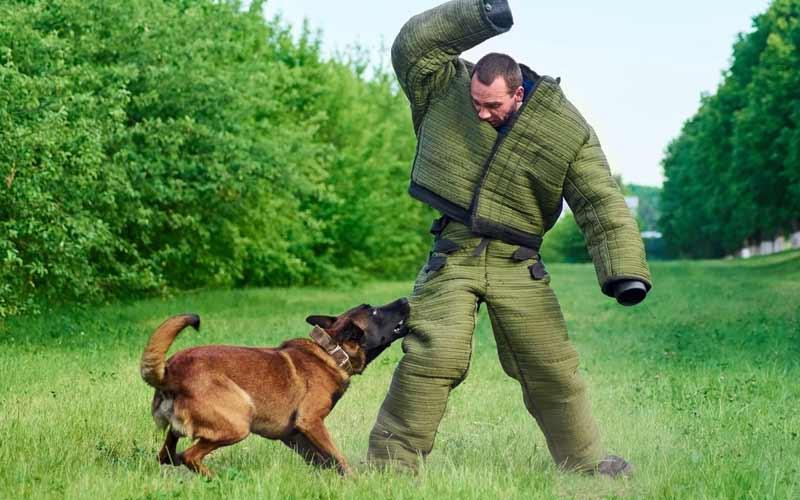
For police, military, and specific sport applications, controlled aggression is a crucial skill. This is perhaps the most misunderstood aspect of ultimate k9 dog training. It is not about making a dog aggressive; it’s about teaching a dog when and how to bite and, most importantly, when to release on command. This training requires expert guidance to ensure safety and reliability. The dog learns to view biting as a trained task, like any other command, and remains under the handler’s control throughout the process.
Agility and Physical Conditioning
A K9 is a canine athlete. The job often requires navigating challenging environments, from jumping fences to climbing rubble. Agility training ensures the dog is physically capable, confident, and nimble. This improves body awareness, reduces the risk of injury, and builds the dog’s confidence in overcoming physical obstacles. A rigorous physical conditioning program is essential to maintain the stamina and strength required for demanding work.
FAQs About Ultimate K9 Dog Training
1. What breeds are best for K9 training?
While many breeds can excel, German Shepherds, Belgian Malinois, Dutch Shepherds, and certain retrievers are commonly chosen for their high drive, intelligence, work ethic, and physical capabilities.
2. Can I train my pet dog to be a K9?
While you can teach your pet advanced skills, official K9 roles in law enforcement or military require specific temperaments, drives, and physical attributes that are carefully selected for. However, you can certainly participate in canine sports that utilize the same principles.
3. How long does it take to train a K9?
Basic training for a police K9 can take several months, but training is never truly finished. It is an ongoing process of refinement and practice throughout the dog’s entire career to maintain peak performance.
4. Is K9 training cruel?
Reputable K9 training is not cruel. It is based on motivation, positive reinforcement for correct behaviors, and clear communication. The dogs are selected for their love of the work and thrive on the physical and mental stimulation it provides. Exploring reviews, such as chris park k9 dog training reviews, can offer insight into different trainers’ methodologies.
5. What is the most important quality in a K9 handler?
Patience and consistency are paramount. A handler must be a calm, confident leader who can read their dog’s body language and communicate effectively under pressure. They must be dedicated to constant training and building a relationship of mutual trust.
The Lifelong Journey of K9 Training
Embarking on the path of ultimate k9 dog training is a commitment to a journey of continuous learning and partnership. It is about understanding the incredible potential within a dog and dedicating yourself to unlocking it through structured, respectful, and challenging work. The result is more than just a well-trained animal; it is a reliable partner, a skilled specialist, and a testament to one of the most powerful interspecies bonds in the world. Whether for professional duty or the love of the sport, the principles of this elite discipline represent the highest aspiration of what a dog and human can achieve together.
