
Tortoiseshell cats, affectionately known as “torties,” are celebrated for their unique and captivating coat patterns that resemble the beautiful mosaics found in nature. Beyond their striking appearance, these felines are often characterized by their spirited personalities and boundless energy. While they may seem like a distinct breed, the tortoiseshell pattern is actually a genetic trait that can appear in various purebred and mixed-breed cats, named for its resemblance to the material once derived from tortoise shells. This distinctive coloring is often found in cats with bold and engaging temperaments, making them wonderful companions. This article delves into the fascinating world of tortoiseshell cats, exploring their genetic makeup, distinguishing them from calicos, and uncovering the myths and realities surrounding their unique personalities and the luck they are said to bring.
Tortie: Not a Breed, But a Pattern
It’s a common misconception that “tortoiseshell” refers to a specific cat breed. Similar to tabby or calico patterns, tortoiseshell is a coat coloration that can manifest across numerous cat breeds and mixed breeds. The name originates from the striking resemblance of their mottled fur to the material historically sourced from tortoise and turtle shells. This intricate pattern is a testament to feline genetics, appearing in a wide array of felines, regardless of their pedigree. This unique coat is often associated with cats that possess an outgoing nature, making them endearing pets.
Common Cat Breeds with Tortoiseshell Coats
While not a breed itself, the tortoiseshell pattern is more frequently observed in certain feline breeds. These include breeds known for their diverse coat variations and often distinct personalities.
Distinguishing Tortoiseshell from Calico Cats
The tortoiseshell cat is frequently mistaken for its close relative, the calico cat. While both boast multi-colored coats, a key differentiator exists: white. Calico cats typically display a tri-color pattern of white, black, and red or orange. In contrast, tortoiseshell cats combine two colors, neither of which is white. The classic tortie coloration is often described as black and red, but these can manifest as chocolate, grey, or blue for the “black” and orange, yellow, or cream for the “red.” Therefore, if a multi-colored cat features white patches, it is more likely a calico than a tortoiseshell.
Varieties of Tortoiseshell Coats
The intriguing tortoiseshell pattern presents several fascinating variations, adding to the allure of these cats. Beyond the traditional mosaic of colors, other distinct types exist:
Bridled Tortie
A “bridled” tortoiseshell cat exhibits colors that appear intricately woven together, creating a blended effect. The more closely one observes tortie cats, the more adept they become at recognizing these subtle distinctions in their coats.
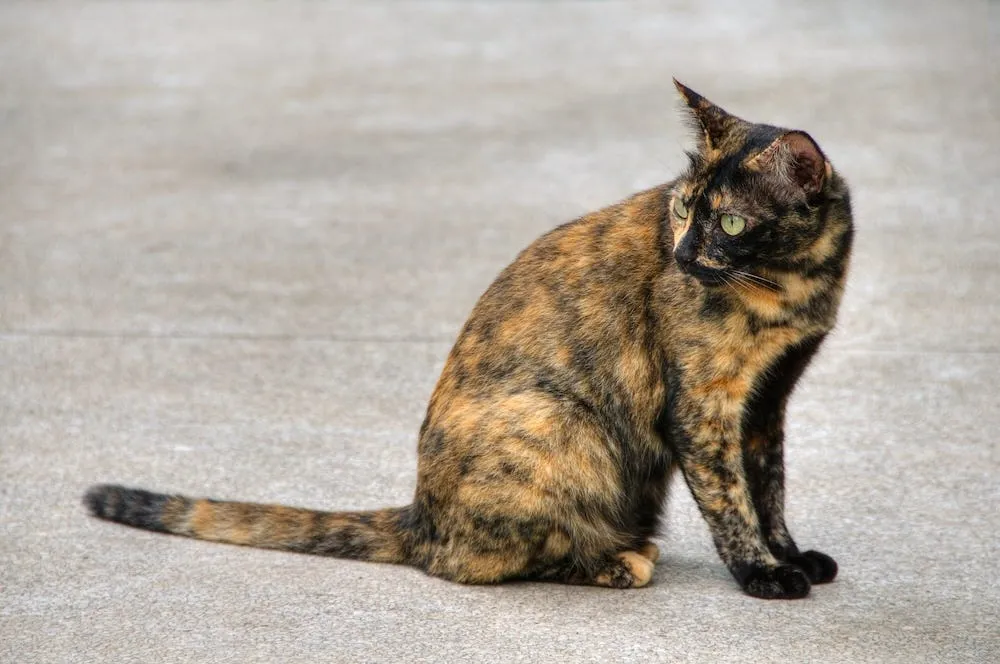 A bridled tortoiseshell cat with colors appearing woven together.
Diluted Tortie
The “dilute” tortoiseshell coat is a result of recessive genes that soften the typical color intensity. Cats with this pattern display lighter, more pastel shades such as cream, lilac, or cinnamon. These soft hues make the diluted tortie a truly captivating sight.
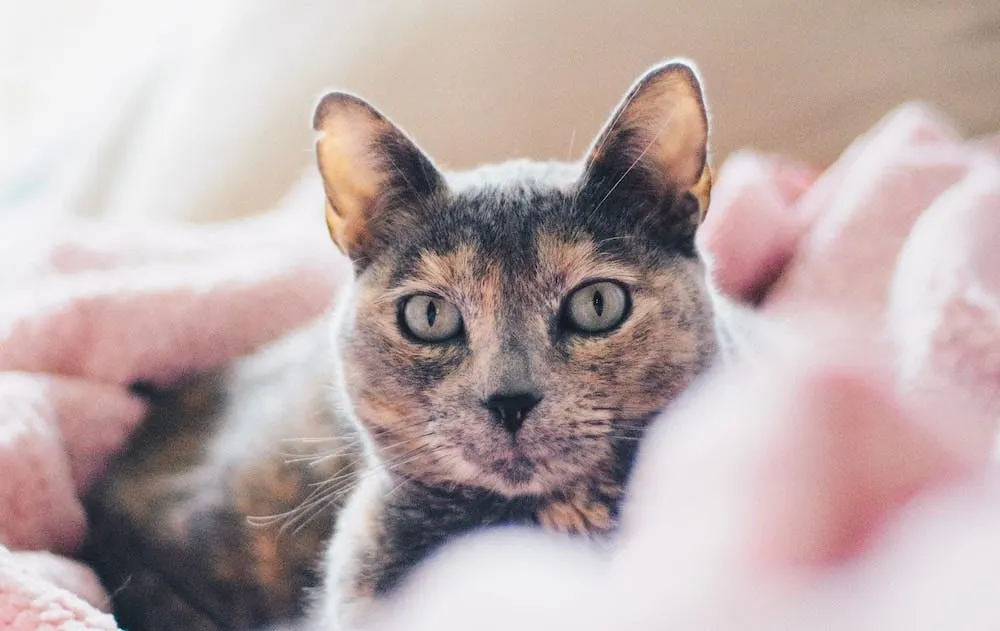 A dilute tortoiseshell cat with soft, pastel-like fur colors.
Tortoiseshell Tabby (Torbie)
The “torbie” is a delightful fusion of the tortoiseshell and tabby patterns. These cats typically feature tabby stripes within their brown and orange patches, often more pronounced on their legs and head. This combination offers a unique textural and visual appeal.
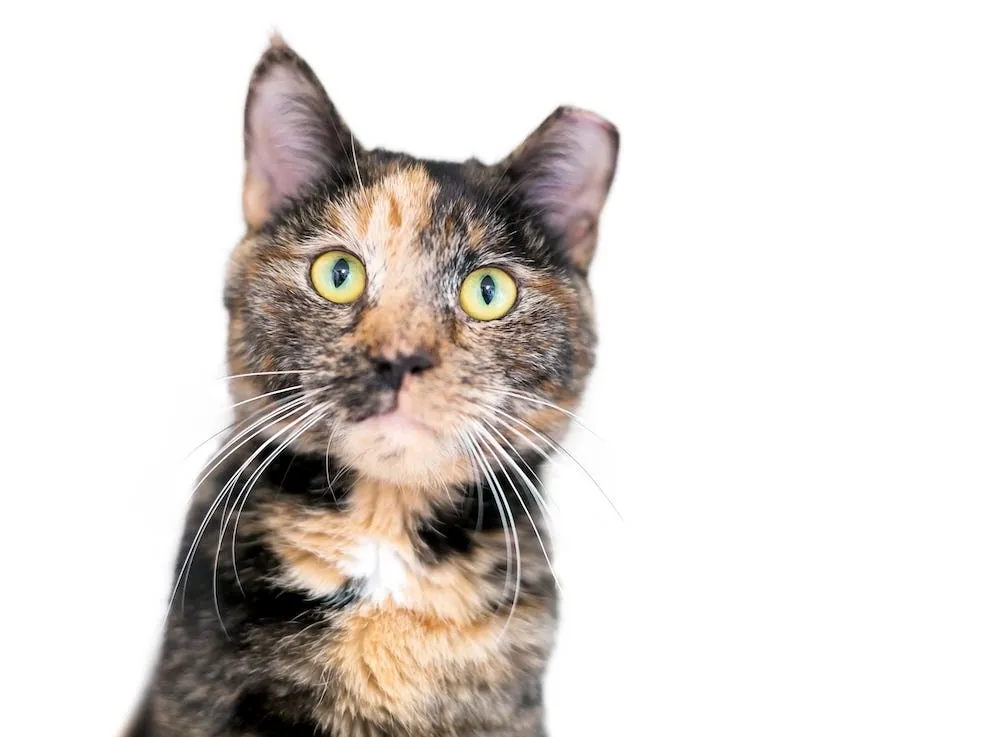 A tortoiseshell tabby cat, also known as a torbie, displaying striped patterns within its colored patches.
Chimera Tortie
The rarest form is the chimera tortie. This occurs when two embryos merge in utero, resulting in a single cat with distinct colorations on each half of its body. A famous example is Venus the Two Face Cat, who perfectly embodies this genetic phenomenon.
The Overwhelmingly Female Tortie Population
A remarkable genetic quirk dictates that approximately 99.9% of tortoiseshell cats are female. This is due to the X chromosome’s role in determining coat color. Female cats, with their XX chromosomes, possess two genetic sets for color, allowing for the combination of black and red (or their variations) necessary for the tortoiseshell pattern. Males, possessing an XY chromosome configuration, typically only have the genetic capability for one color, either black or orange.
Male torties are exceedingly rare, occurring in about 1 in 3,000 births, usually due to a genetic anomaly known as XXY syndrome. These males are almost always sterile and may face various health complications. While rare chimera males might retain fertility, responsible pet ownership includes neutering all cats to prevent unintended litters and manage health.
Unpacking “Tortitude”: The Tortie Cat Personality
The term “tortitude” has become widely associated with the distinct personality traits attributed to tortoiseshell cats. Owners often describe them as sassy, fierce, independent, and strong-willed, sometimes even referring to them as the divas of the feline world. While some experts, like Jackson Galaxy, have noted that tortoiseshell cats might be more sensitive to their surroundings, a 2016 study from UC Davis Veterinary Medical Teaching Hospital did not find a direct scientific link between fur patterns and behavior. However, anecdotal evidence from countless tortie owners strongly suggests unique personality traits. For instance, a tortie may vocally express displeasure with a dirty litter box by choosing an alternative spot until their standards are met, perhaps highlighting a preference for a self-cleaning litter box. Despite the lack of scientific consensus, the bold and sometimes bossy demeanor of torties is a widely acknowledged characteristic among their admirers.
Lifespan and Health Considerations for Torties
The lifespan of a tortoiseshell cat varies depending on its specific breed. Generally, torties can expect to live between 14 and 18 years, with many enjoying longer, happy lives well into their early twenties. Breed plays a more significant role in longevity than coat pattern.
Male torties, due to their rarity and potential genetic health issues, often have shorter lifespans. It is crucial for owners of male torties to adhere to regular veterinary check-ups and closely monitor their health conditions.
Tortoiseshell Cats: Symbols of Good Luck
Across various cultures, tortoiseshell cats are revered as symbols of good fortune. Encountering one is often seen as an omen of positive things to come, and their presence in a home is believed to bring protection and prosperity.
- Japan: Torties are thought to ward off evil spirits and protect homes.
- England: A folk remedy suggests rubbing a tortie’s tail on a wart can cure it.
- United States: They are often referred to as “money cats,” believed to attract financial good fortune.
- Southeast Asia: Legends tell of the tortie cat being formed from the blood of a young goddess.
- Ancient Celts and Ireland: The presence of a male tortie cat was considered particularly lucky, and any tortie gracing a home signifies good luck.
Edgar Allan Poe’s Affection for Torties
Even renowned literary figures like Edgar Allan Poe were captivated by tortoiseshell cats. He is said to have cherished a tortie named Cattarina for many years. In a touching tribute, kittens named Edgar, Pluto, and Cattarina were later found at the Poe Museum in Richmond, Virginia.
More Tortie Tidbits and Lore
The unique charm and beauty of tortoiseshell cats make them exceptionally desirable companions. Their bold colors and spirited nature undeniably add a special flair to any household. Beyond their physical attributes, a wealth of folklore surrounds these enchanting felines:
- Some believe torties possess psychic abilities and can foresee the future.
- Dreaming of a tortoiseshell cat is thought to foretell impending romance.
- A bride hearing a tortie sneeze on her wedding day is considered a sign of great luck.
While cats, in general, are often associated with luck, owning or encountering a tortoiseshell cat is considered a particularly special experience. Their diverse and captivating qualities continue to endear them to cat lovers worldwide.
