
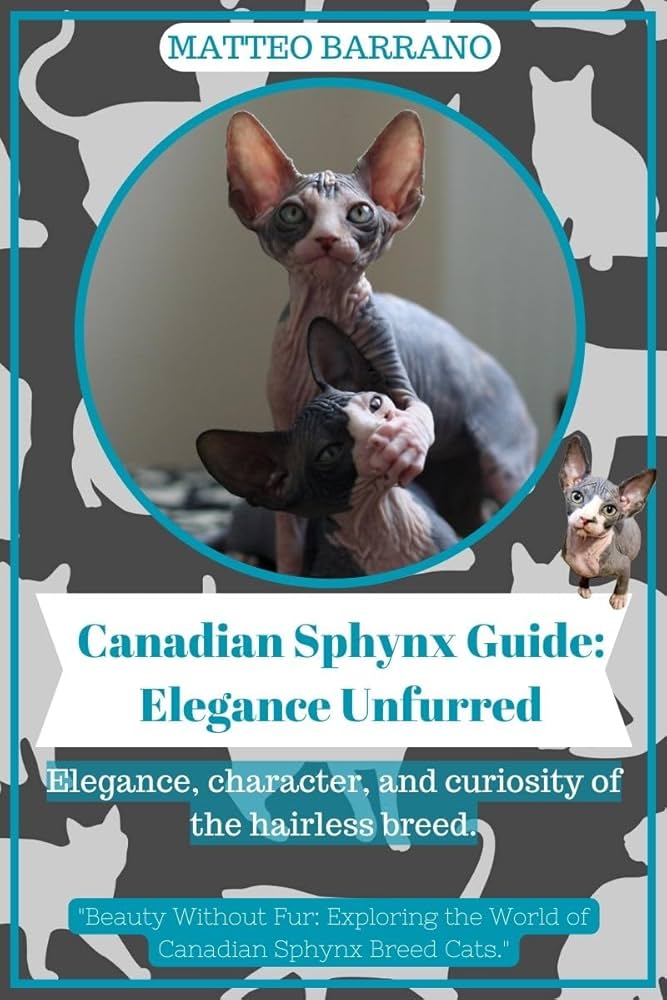
For those seeking a unique and captivating companion, hairless cat breeds offer an intriguing alternative to their more conventionally coated counterparts. While the sight of a cat with minimal or no fur might be surprising, these felines are known for their distinctive appearance and affectionate personalities. From the wrinkled charm of the Sphynx to the exotic allure of the Donskoy, this guide delves into six fascinating hairless cat breeds, exploring their origins, characteristics, and the special care they require. The world of hairless cats is diverse and rewarding for dedicated owners.
A Glimpse into Unique Breeds
The appeal of hairless cats extends beyond their striking looks. Many of these breeds are known for being exceptionally social and affectionate, often forming strong bonds with their human families. Their lack of dense fur, however, necessitates specific grooming and environmental considerations to ensure their well-being.
1. Sphynx
Often considered the quintessential hairless cat, the Sphynx possesses a fine, downy coat that feels like chamois, making them delightfully warm to the touch. Despite their apparent nudity, they are covered in a soft fuzz that requires regular grooming. Sphynx cats are known for their playful nature and tendency to vocalize, adding to their charming and communicative personalities. Their distinctive wrinkles and long toes further enhance their unique appearance.
2. Bambino
A relatively new breed, the Bambino is a cross between the Sphynx and the short-legged Munchkin. These cats are characterized by their short legs and lack of fur, creating an undeniably cute yet distinct look. Bambinos are highly social and crave interaction with their owners, thriving on daily play and attention. Prospective owners should be aware of their significant price tag and their predisposition to joint problems due to their unique stature.
3. Peterbald
Originating from Russia, the Peterbald breed is distinguished by its large, perky ears and wedge-shaped head. Interestingly, not all Peterbalds are entirely hairless; the breed exhibits a range of coat types, from completely bald to possessing fuzzy, curly, or wiry fur of varying lengths. These cats are known for being energetic, friendly, and enjoying interactive play, often following their humans around the house.
4. Donskoy
The Donskoy cat presents a fascinating variety of hairlessness. They can be born completely bald (rubber bald), have a downy fuzz that may be shed (flocked), possess bald spots on their heads (velour), or have patches of baldness interspersed with fur (brush). Donskoy cats are celebrated for their sweet and intelligent nature, making them excellent family companions, adaptable to living with children and other pets.
5. Lykoi
Nicknamed the “werewolf cat,” the Lykoi breed sports a sparse coat that undergoes periodic molting, a phenomenon known as “wolfing out.” When they do have fur, it is exceptionally soft, contributing to their appeal for cuddles. The unique appearance of the Lykoi comes with a notable price point, making them a significant investment for those charmed by their distinctive look.
6. Ukrainian Levkoy
Sharing a genetic link with the Scottish Fold, the Ukrainian Levkoy is recognized for its folded ears. As a newer breed, its long-term health profile is still emerging. However, potential owners should be aware of possible risks related to joint and cartilage health, similar to those seen in Scottish Folds. These cats are often stoic and may prefer quiet companionship, though ear type can vary within the breed.
Essential Care for Hairless Cats
Owning a hairless cat comes with unique responsibilities. Their lack of fur makes them more vulnerable to environmental extremes. Protection from sunburn is crucial, requiring measures like sunscreen and UV-filtering window treatments. In colder months, cozy sweaters can help maintain their body temperature. Regular baths or wipe-downs are necessary to manage skin oil buildup, but over-bathing can lead to dryness. Consulting with a veterinarian is recommended to establish an appropriate skincare routine, including the use of specialized shampoos. Additionally, their ears and nails require more frequent cleaning due to increased wax and oil accumulation.
Frequently Asked Questions about Hairless Cats
Are hairless cats hypoallergenic?
While no cat is entirely hypoallergenic, hairless cats are often considered better choices for individuals with allergies. Allergens are present in a cat’s saliva, urine, and dander, regardless of fur length. However, the reduced amount of loose dander in the environment from hairless breeds can lead to fewer allergic reactions. It is advisable to consult with a doctor regarding allergy management before bringing any cat into your home.
What is the cost of a hairless cat?
Due to their rarity, hairless kittens typically range from $1,000 to $2,000. Finding them in animal shelters is uncommon, though specialized rescue organizations may occasionally have hairless cats available for adoption.
Are hairless cats friendly?
A hairless cat’s temperament, like that of any cat, is significantly influenced by its early socialization. Kittens that are exposed to people, other animals, and new experiences tend to develop into more adaptable and friendly adult cats. With positive reinforcement and proper socialization, hairless cats can be as affectionate and companionable as any other breed.
