
Grey cats, often referred to as “blue” in the feline world, captivate with their soft, sleek, and stunning coats. While this captivating color can be found across numerous breeds, some are particularly renowned for their distinctive grey or blue hues. Whether you’re already a devoted admirer of these elegant felines or considering welcoming one into your home, understanding the popular grey cat breeds and their unique characteristics is essential for any cat enthusiast. Discover the charm of various cat breeds.
Russian Blue
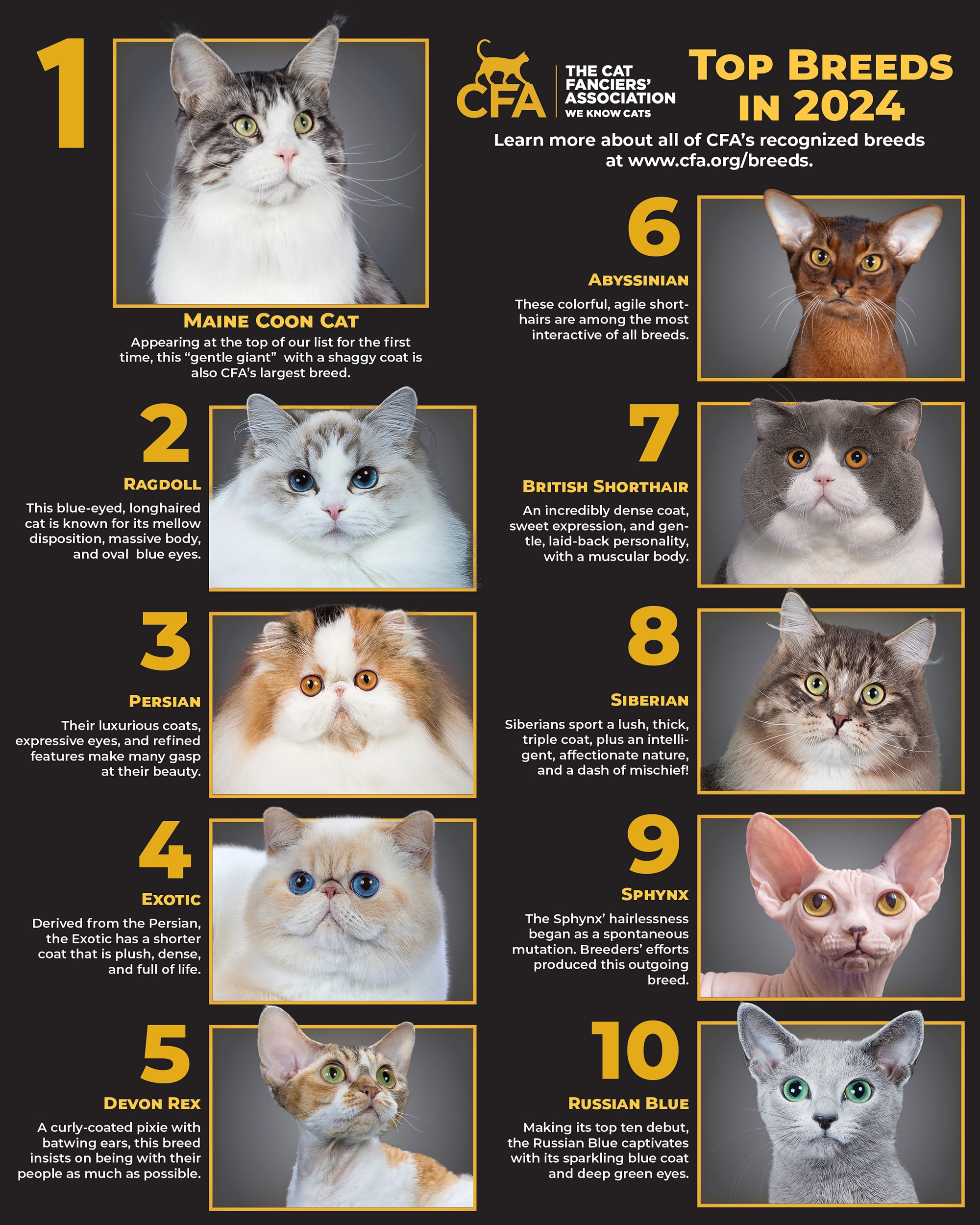
The Russian Blue is characterized by its long, slender, and muscular build, accentuated by a plush, silky blue-grey double coat. Kittens are born with yellow eyes that mature into a vivid green. These cats are known for being playful yet reserved, often forming a strong bond with one person while being wary of strangers and new environments. Their meticulous nature extends to hygiene, with a notable aversion to dirty litter boxes; a clean litter box is paramount for them. Russian Blues have a considerable appetite and require careful monitoring to prevent obesity.
Originating from Russia, their thick coat suggests an adaptation to cold climates. Folklore even suggests their luxurious fur was once sought after, resembling that of seals.
Korat
Considered one of the oldest and purest naturally occurring breeds, the Korat boasts a blue-grey coat with silver tips, giving it a luminous appearance. Their eyes, initially bright blue, deepen to amber and finally settle into a striking green. Despite their small to medium muscular build, they are highly social and attention-seeking, cherishing time spent cuddling and playing with their families. While generally amiable with other pets, they can display jealousy if they feel overlooked.
These cats hail from Thailand, with their earliest documented appearance in the tamra maew, a collection of Thai cat poems dating back to the 14th-18th centuries. The Korat cat is a symbol of good luck, prosperity, and health in Thai culture and is a rare sight in many American households.
Chartreux
Often described as a “potato on toothpicks” due to their robust bodies and slender legs, Chartreux cats possess a dense, water-repellent blue-grey coat. They are well-muscled and energetic, upholding their reputation as skilled hunters, as depicted in French literature.
While adept hunters, they are also known for their good temper, loyalty, and quiet demeanor. This breed enjoys playful activities and can even learn to respond to their names. The Chartreux is believed to have been bred by monks at the Grande Chartreuse monastery in the French Alps, with legends suggesting they were trained to have quiet voices to avoid disturbing meditation.
Nebelung
The Nebelung shares similarities with the Russian Blue, featuring a dense blue-grey coat and bright green eyes. However, the Nebelung’s coat is semi-long, adorned with silver-tipped guard hairs, and they possess a graceful, muscular physique.
These cats are mild-tempered, soft-spoken, affectionate, and playful, forming devoted and loyal bonds with their families without being overly intrusive. They tend to be shy around unfamiliar people. The Nebelung cat is an American cat breed, originating from a cross between a black Domestic Shorthair and a Russian Blue. The name “Nebelung,” meaning “creatures of the mist” in German, reflects their ethereal appearance.
British Shorthair
Formerly known as the British Blue, the British Shorthair possesses a crisp, dense, waterproof coat covering a compact, cobby body. They are medium to large cats with distinctive round heads and short, thick necks, earning them the nickname “bulldog of the feline world.” While most famous for their blue-grey coloration, they can also be found in other shades.
Initially reserved, British Shorthairs warm up to familiar people and form close bonds with their human families. They are particularly patient and affectionate with children and adapt well to changes in their environment. Recognized as the first official show cat, they transitioned from common domestic cats to cherished household companions.
Blue Persian
While Persian cats are celebrated for their luxurious coats, the Blue Persian is a striking grey variety of this ancient breed. Believed to have originated from a mix of Turkish Angora cats and other long-haired breeds from Persia and surrounding regions, the Persian made its way to Europe in the 1600s and became a favorite of Queen Victoria.
Known for their long periods of inactivity, Persians have a sweet, gentle nature and thrive in calm settings. While they enjoy grooming and petting, they are not typically inclined towards active play. Nevertheless, incorporating some daily playtime is beneficial for their health.
Scottish Fold
Scottish Folds exhibit plush, dense fur—either short or long—often in a grey hue, covering a sturdy, well-padded body. They are a popular breed in America and Europe, known for their sweet disposition and unique “Buddha sit” posture.
Every Scottish Fold can trace its lineage back to Susie, a barn cat with folded ears discovered in Scotland in 1961. Through selective breeding with breeds like Persians and American Shorthairs, the characteristic sweet and rounded look of the modern Scottish Fold was developed. Interestingly, all Scottish Fold kittens are born with straight ears, with the fold developing in approximately 50% of litters about 18 to 24 days after birth.
Sphynx
The distinctive Sphynx cat is typically hairless, though a fine down may cover its body. Many Sphynx cats have grey skin or down and require regular bathing to prevent their skin from becoming sticky and developing problems.
The breed’s origin traces back to 1966 in Ontario, Canada, when a hairless kitten was born to a domestic cat. Through breeding efforts, the hairless trait, a recessive gene, was established. Initially called Canadian Hairless Cats, they became known as Sphynx cats due to their resemblance to the ancient Egyptian Sphinx. Despite their unique appearance, Sphynx cats are known for their highly social, inquisitive, and attention-loving personalities.
Domestic Shorthair
Domestic Shorthairs, also known as moggy cats, mutts, or mixed-breed cats, are non-pedigreed shorthair felines. They are the most common type of cat in the United States, making up about 90–95% of the feline population. Domestic Shorthairs display a wide array of sizes, shapes, coat patterns, and colors, including various shades of grey.
Grey Domestic Shorthairs can be solid grey, grey tabby (featuring stripes, spots, or swirls), grey colorpoint, or a grey tuxedo (bi-color).
Typical Personalities of Grey Cats
Grey cat breeds often share endearing traits that set them apart. While each cat is an individual, many grey felines exhibit a captivating blend of characteristics:
- Calm and Serene: Many grey cats possess a laid-back and composed nature, bringing a sense of tranquility to the home. They often enjoy quiet observation.
- Playful and Curious: Despite their calm demeanor, grey cats frequently display a mischievous, playful side and a keen curiosity about their surroundings, enjoying exploration and interactive play.
- Intelligent and Sociable: Owners frequently report their grey companions are highly intelligent and enjoy interacting with their human families, often following them around and observing their activities.
- Varied Communication Styles: Some grey cats are quite vocal, using meows and purrs to express themselves, while others communicate more subtly through body language.
It’s important to remember that these are general observations, and your grey cat will possess its own unique personality and quirks.
Identifying Your Grey Cat’s Breed
Determining your grey cat’s breed can be an enjoyable and intriguing process. While the grey coat color can appear in many breeds, certain physical characteristics and personality traits can offer clues to their lineage.
- Russian Blue: Look for a plush, double coat, vivid green eyes, and a strong preference for cleanliness.
- Korat: These cats often have silver-tipped fur and are known for their social, attention-seeking personality.
- Chartreux: If your grey cat has a robust body, relatively thin legs, and a playful, good-tempered disposition, they might be a Chartreux.
- Nebelung: An affectionate and playful cat with semi-long fur and bright green eyes could be a Nebelung.
- British Shorthair: Known for their dense, plush coats, round heads, and thick necks.
- Sphynx: If your grey cat is hairless and requires regular bathing, it is likely a Sphynx.
- Domestic Shorthair: If your cat has a grey coat with a tabby, colorpoint, or tuxedo pattern, you likely have a Domestic Shorthair.
Regardless of breed, your grey cat is sure to bring immense joy and beauty into your home.
Q: Is it “grey cat” or “gray cat”?
A: Both spellings are correct. “Grey” is the British spelling, and “gray” is the American spelling. People search for both terms when looking for information about these cats.
Other Grey Cat Breeds
Grey coloration is common in numerous other cat breeds, including:
The joy of adopting a cat belonging to one of these grey cat breeds is amplified when you witness them using a Litter-Robot self-cleaning litter box. Whether you have a specific preference among the grey cat breeds or simply appreciate their unique spirit, their beauty and charm undeniably enhance the feline world.
