
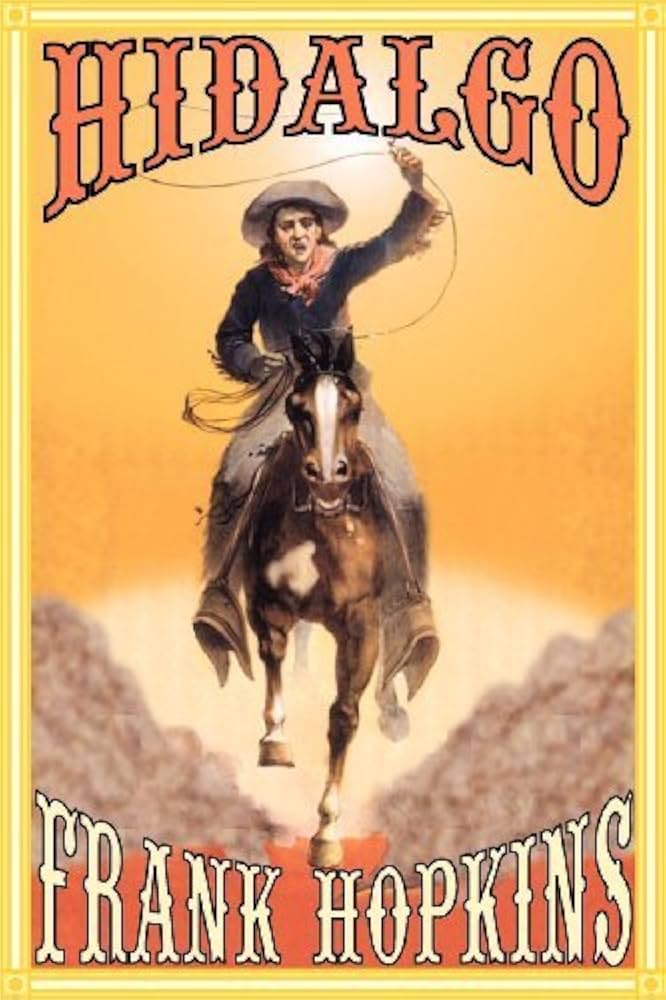
The legend of Frank Hopkins and his incredible journey with the Hidalgo horse is a tale that has captivated horse enthusiasts for generations. It’s a story woven with threads of endurance, cross-cultural respect, and the almost mythical bond between a man and his equine partner. While some aspects have been romanticized over time, the core of the narrative speaks to a remarkable feat of equestrianism.
The Man: Frank T. Hopkins
Frank T. Hopkins was an American who claimed to have grown up on the Western frontier, learning the ways of horses from a young age. He described himself as a skilled rider and trainer, with an uncanny ability to understand and communicate with horses. His life story, as he told it, was one of adventure and a deep connection with Native American cultures, particularly the Comanche, from whom he allegedly learned much about horsemanship.
The Horse: Hidalgo
The horse at the center of this legend is Hidalgo, a stallion described as a Mustang of unknown breeding, but possessing extraordinary stamina and spirit. Hopkins claimed Hidalgo was not just a powerful horse, but one with an almost supernatural intelligence and a will of his own. The deep partnership between Hopkins and Hidalgo is central to the “true story” aspect of the legend, highlighting their mutual trust and reliance.
The Legendary Ride: Across the Arabian Desert
The most famous part of the “Dog Care Story” narrative, featuring Frank Hopkins and Hidalgo, involves an epic endurance ride across the Arabian Desert in 1890. According to Hopkins’ account, he was invited to compete in a grueling race against the finest Arabian horses and riders, a challenge that spanned over 900 miles of harsh desert terrain. This event was supposedly organized by Bedouin tribes to prove the superiority of their horses.
Hopkins claimed that he and Hidalgo, against all odds and despite facing extreme conditions, not only completed the race but won it. This victory was significant, as it was said to be the first time a non-Arabian horse had ever won such a prestigious event. The story often emphasizes the respect Hopkins and Hidalgo earned from the desert tribes, who were initially skeptical of the American rider and his “common” horse.
Debunking the Myth: Fact vs. Fiction
Despite the compelling nature of the tale, historical evidence supporting the specific claims made by Frank Hopkins has been scarce. Many historians and equestrian experts have scrutinized his accounts, finding little to corroborate the existence of such a race in 1890, or indeed, Hopkins’ significant role in equestrian history as he described it.
- Lack of Contemporary Records: There are no verifiable records from 1890 or the surrounding years that document an international endurance race of this magnitude in the Arabian Desert, nor the participation or victory of Frank T. Hopkins and his horse Hidalgo.
- Hopkins’ Credibility: While Hopkins was a real person and did work with horses, the more extraordinary claims of his life, particularly the desert race, have been widely questioned. Some believe his stories were embellished or entirely fabricated to create a compelling personal legend.
- The “Hidalgo” Horse: The existence and capabilities of the specific horse named Hidalgo, as described in the legendary ride, remain unproven. While Mustangs are known for their hardiness, the feats attributed to Hidalgo during the supposed desert race are exceptional.
The Enduring Appeal of the Story
Despite the historical skepticism, the story of Frank Hopkins and Hidalgo continues to resonate. It taps into several powerful themes:
- The Underdog: The narrative of a seemingly ordinary horse and rider conquering the elite of the equestrian world is a classic underdog story that appeals to many.
- Cross-Cultural Connection: The tale highlights a bridge between Western and Eastern equestrian traditions, emphasizing mutual respect and shared passion for horses.
- The Spirit of Endurance: The sheer willpower and physical prowess described in the journey across the desert speak to the indomitable spirit of both man and animal.
- The Romance of the West and the East: The story combines the rugged individualism of the American West with the mystique of the Arabian Desert, creating a captivating blend of settings.
Modern Interpretations and Legacy
The story of Frank Hopkins and Hidalgo gained significant modern traction with the release of the 2004 film “Hidalgo,” starring Viggo Mortensen. While the film brought the legend to a wider audience, it also took creative liberties, further blurring the lines between historical fact and cinematic fiction. The movie, like Hopkins’ original stories, focused on the themes of courage, endurance, and the extraordinary bond between a rider and his horse.
Even if the literal account of the 1890 desert race is considered folklore, the “true story” that endures is about the idea of what a horse and rider can achieve. It’s about pushing boundaries, testing limits, and the profound connection that can form between humans and these magnificent animals. The legend of Frank Hopkins and Hidalgo serves as a powerful reminder of the enduring human fascination with horses and the incredible feats they can inspire.
