
Teaching your dog new tricks is more than just a fun way to bond; it’s a fantastic mental workout for your canine companion and can even enhance their obedience and confidence. While sit, stay, and come are essential, exploring more engaging tricks can unlock a new level of communication and joy between you and your furry friend. This guide delves into the world of training your dog with exciting and rewarding tricks, moving beyond the standard commands to create a truly special connection.
The journey of training a dog is deeply rooted in our shared history. Dogs have been by our side for thousands of years, evolving from wild ancestors to loyal companions. This long-standing relationship has fostered an innate ability in dogs to learn and respond to human cues. Understanding this fundamental aspect of canine behavior is key to unlocking their potential for learning a variety of commands and tricks. Whether you’re looking to impress friends with your dog’s skills or simply want to deepen your bond, there are numerous fun tricks to train your dog that cater to different levels of experience and breeds.
The Science Behind the Fun: Why Training Tricks Matters
Training your dog with new tricks isn’t just about entertainment; it’s a powerful tool for cognitive stimulation and behavioral development. Dogs, like humans, thrive on mental engagement. Boredom can often lead to destructive behaviors, but a mentally stimulated dog is generally a happier and better-behaved dog. When you teach your dog a new trick, you are essentially exercising their brain, improving their problem-solving skills, and strengthening the neural pathways associated with learning.
Furthermore, the process of learning and mastering a trick builds confidence in dogs. For shy or anxious dogs, successfully completing a trick can be a significant confidence booster. It helps them understand that they can succeed and that their efforts are recognized and rewarded. This positive reinforcement not only makes training enjoyable but also solidifies the trust and bond between dog and owner. You might find that the skills learned in mastering good tricks to train your dog translate into better overall obedience in everyday situations.
Positive Reinforcement: The Key to Success
The most effective and humane method for teaching your dog any trick, especially the more complex ones, is positive reinforcement. This involves rewarding desired behaviors with something your dog values, such as treats, praise, toys, or affection. When your dog performs the trick correctly, they receive a reward, making them more likely to repeat the behavior.
Key principles of positive reinforcement:
- Timing is Crucial: Reward your dog immediately after they perform the desired action. A delay of even a few seconds can cause them to associate the reward with a different behavior.
- Consistency is King: Everyone in the household should use the same commands and reward system. Inconsistency can confuse your dog and slow down the learning process.
- High-Value Rewards: Use rewards that your dog finds particularly motivating. This might be small pieces of cooked chicken, cheese, or a favorite squeaky toy.
- Keep it Short and Sweet: Training sessions should be brief, typically 5-10 minutes, especially for puppies or dogs new to trick training. End on a positive note, even if it means asking for a simple, known command they can easily succeed at.
Getting Started: Simple Tricks to Build Foundation
Before diving into elaborate routines, it’s beneficial to master a few foundational tricks. These simpler commands not only teach your dog basic concepts but also prepare them for more challenging tasks. They are also excellent starting points for easy tricks to train your dog.
1. Spin/Twirl
This trick involves your dog turning in a circle.
- How to teach:
- Hold a treat near your dog’s nose.
- Lure them in a circle by moving the treat in a circular motion around their head.
- As they follow the treat and complete the circle, say “Spin!” and give them the treat and praise.
- Gradually increase the size of the circle and the speed until they are spinning with you guiding them less.
- Fade the lure by making the hand motion without a treat, rewarding them after the spin.
2. Bow
Teaching your dog to “bow” involves them lowering their front body while keeping their rear end up.
- How to teach:
- With your dog standing, lure their head down and slightly forward with a treat, aiming for a position where their elbows touch the ground but their rear stays up.
- As they achieve this pose, say “Bow!” and reward them.
- Repeat this several times, gradually reducing your reliance on the lure.
3. Play Dead
This is a crowd-pleaser that requires your dog to lie down and stay still, often on their side.
- How to teach:
- Start with your dog in a down position.
- Gently lure them onto their side with a treat. As they roll onto their side, say “Bang!” or “Play Dead!” and reward them.
- Practice this motion, gradually increasing the duration they stay in the “dead” position before rewarding.
- You can progress to a hand signal (like a finger gun) instead of a verbal cue.
Moving On: Intermediate and Advanced Tricks
Once your dog has a solid understanding of basic commands and simpler tricks, you can explore more complex and engaging activities. These are some of the best tricks to train your dog that offer significant mental stimulation.
1. Fetch a Specific Toy
This trick teaches your dog to differentiate between various toys and retrieve a named one.
- How to teach:
- Start with two distinct toys. Name them clearly (e.g., “Ball,” “Rope”).
- Place the toys a short distance away. Ask your dog to “Get the Ball!”
- When they pick up the correct toy, praise and reward them enthusiastically. If they pick the wrong one, don’t punish; simply reset and try again, perhaps by making the correct toy more enticing.
- Gradually increase the number of toys and the distance.
2. Roll Over
This advanced trick builds upon the “bow” and “play dead” concepts, requiring more coordination.
- How to teach:
- Ask your dog to lie down.
- Using a treat, lure their head towards their shoulder, encouraging them to shift their weight.
- Continue the lure in a circular motion over their back, guiding them to roll completely over.
- As they complete the roll, say “Roll Over!” and reward them. This trick can take patience and several short sessions.
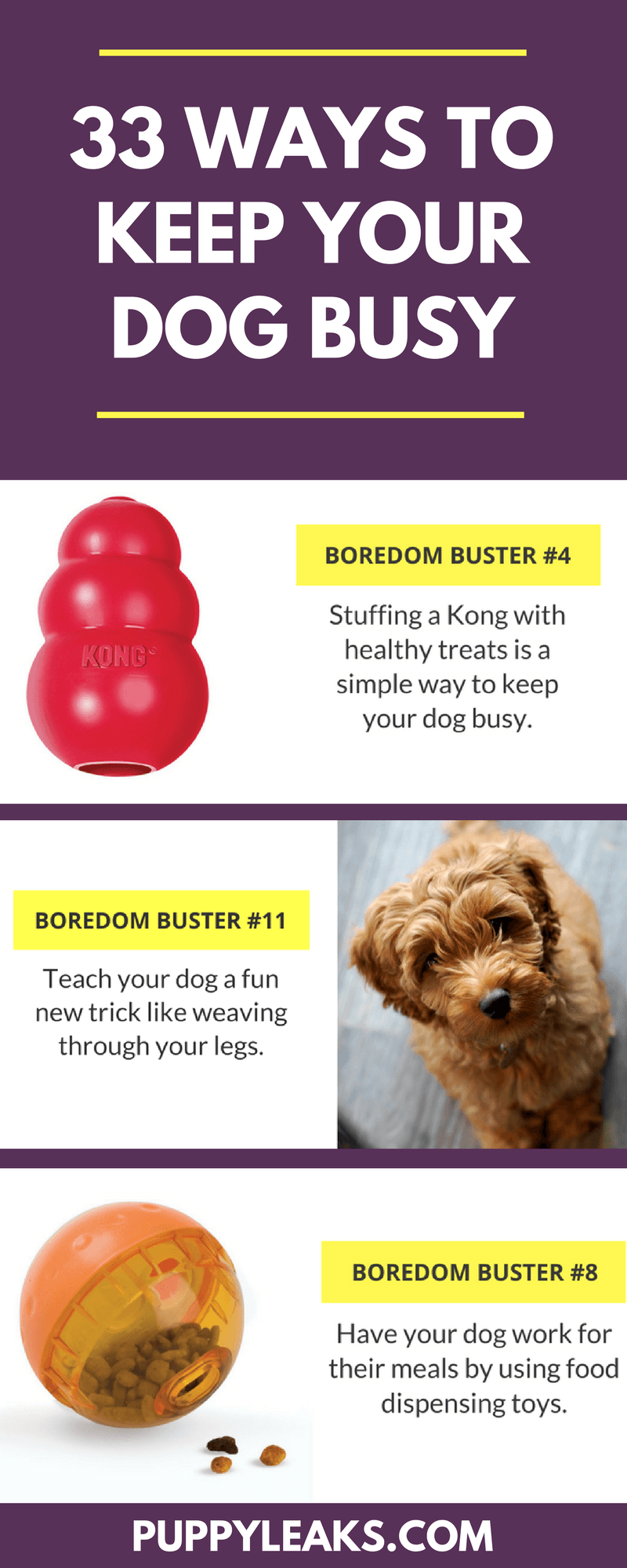
3. Weave Through Legs
This trick involves your dog weaving in and out of your legs as you walk.
- How to teach:
- Start with your dog standing in front of you.
- Lure them through your legs with a treat, starting by stepping back slightly.
- As they pass through, say “Weave!” and reward them.
- Repeat, alternating which side they go through, and gradually start walking forward.
- The goal is for them to follow your movement as you step your legs.
Creative and Cool Tricks to Impress
For those looking to push the boundaries and showcase truly unique canine talents, consider these cool tricks to train your dog. These often require a combination of basic obedience, physical dexterity, and a strong understanding of cues.
1. Jump Through a Hoop
This trick is visually impressive and can be adapted for dogs of various sizes and athletic abilities.
- How to teach:
- Start with the hoop on the ground. Encourage your dog to walk through it.
- Gradually raise the hoop a few inches at a time, always rewarding them for passing through.
- Use a lure or a toss of a favorite toy to encourage them to jump through.
- Ensure the hoop is large enough for your dog to pass through comfortably and safely.
2. Ring a Bell to Go Outside
This is a practical trick that helps with house-training and communication.
- How to teach:
- Hang a bell on the door you use for potty breaks.
- Take your dog to the door, let them touch the bell with their nose or paw, and immediately open the door and take them outside.
- Repeat this consistently. Eventually, your dog will associate touching the bell with going outside.
- When they ring the bell on their own, praise them and take them out.
3. Cover Your Eyes (or “Shame”)
This is a cute trick where the dog covers their eyes with their paws.
- How to teach:
- Ask your dog to “shake paw.”
- As they offer their paw, gently guide it towards their face.
- Say “Shame!” or “Cover!” as their paw touches their face and immediately reward them.
- With repetition, they will start to associate the cue with the action of covering their eyes.
Troubleshooting Common Training Challenges
Even with the best intentions, training can present challenges. Understanding common issues and their solutions can make the process smoother.
- Dog loses focus: Keep sessions short and engaging. Ensure you are using high-value rewards. If your dog is easily distracted, start training in a quiet environment and gradually introduce more stimulating settings.
- Dog isn’t motivated: Experiment with different types of rewards. Some dogs are more motivated by toys than treats, or vice versa. Also, consider the timing and your own energy – an excited and positive trainer makes for a more engaged dog.
- Dog is afraid of the new trick: Never force your dog into a situation they find frightening. Break down the trick into smaller, more manageable steps. For example, if a dog is scared of jumping through a hoop, start by having the hoop lie flat on the ground.
- The trick isn’t progressing: Sometimes, a trick might be too complex for your dog’s current skill set, or your instructions might be unclear. Re-evaluate the steps involved and ensure you are being consistent with your cues and rewards.
The Long-Term Benefits of Trick Training
Beyond the immediate fun, consistently engaging in trick training offers profound long-term benefits for both you and your dog. It strengthens the human-animal bond by fostering clear communication and mutual understanding. A dog that actively participates in learning and performing tricks is often more attuned to its owner’s cues and more eager to please.
Moreover, trick training is a continuous process of mental enrichment that can help prevent cognitive decline in senior dogs. It keeps their minds sharp and engaged, contributing to a better quality of life as they age. The confidence built through mastering these skills can also manifest in improved social behavior and reduced anxiety in various situations. Ultimately, training tricks is an investment in a happier, healthier, and more connected life with your canine companion. It’s a testament to the incredible capacity of dogs to learn and to the deep joy found in sharing these learning experiences together.
