
Welcoming a 10-week-old puppy into your home is an exciting time, filled with adorable moments and the beginning of a strong bond. At this crucial stage, establishing a consistent routine and schedule is paramount for your puppy’s physical and mental development, particularly concerning sleep, feeding, and potty training. Understanding your puppy’s needs at 10 weeks old will not only save you stress but also lay the foundation for a well-behaved companion. This guide delves into vaccinations, teething, appropriate training, exercise, and nutrition to help you navigate this dynamic period. For a more personalized journey, consider the Zigzag puppy training app, which offers lessons tailored to your pup’s developmental milestones and expert coaching support.
Key Milestones at 10 Weeks: Vaccinations and Teething
By 10 weeks old, your puppy may have already settled into your home, or you might be in the process of bringing them home. Regardless, this is a significant period marked by upcoming second vaccinations and the throes of teething. Puppies also enter a sensitive phase known as a “fear period,” which can make them more anxious and uncomfortable. It’s vital to coordinate with your breeder and veterinarian regarding vaccination schedules. If your breeder administered the first vaccination, choosing a vet who uses the same vaccine brand can help maintain the vaccination timeline.
Teething is another major development at this age. Your puppy’s sharp milk teeth are being replaced by adult teeth, which can cause considerable discomfort. Expect increased drooling and a strong urge to chew on everything. This behavior, including jumping up for reassurance and grabbing clothes, is a normal part of puppy development. Sleep is also a priority, with puppies at this age needing approximately 18 hours of rest daily. Insufficient sleep can lead to overtiredness, making puppies more prone to nipping and erratic behavior. While they may not yet sleep through the night and will still require potty breaks, encouraging daytime naps is essential. Utilizing crates or playpens can provide a designated safe space for your puppy to relax and sleep.
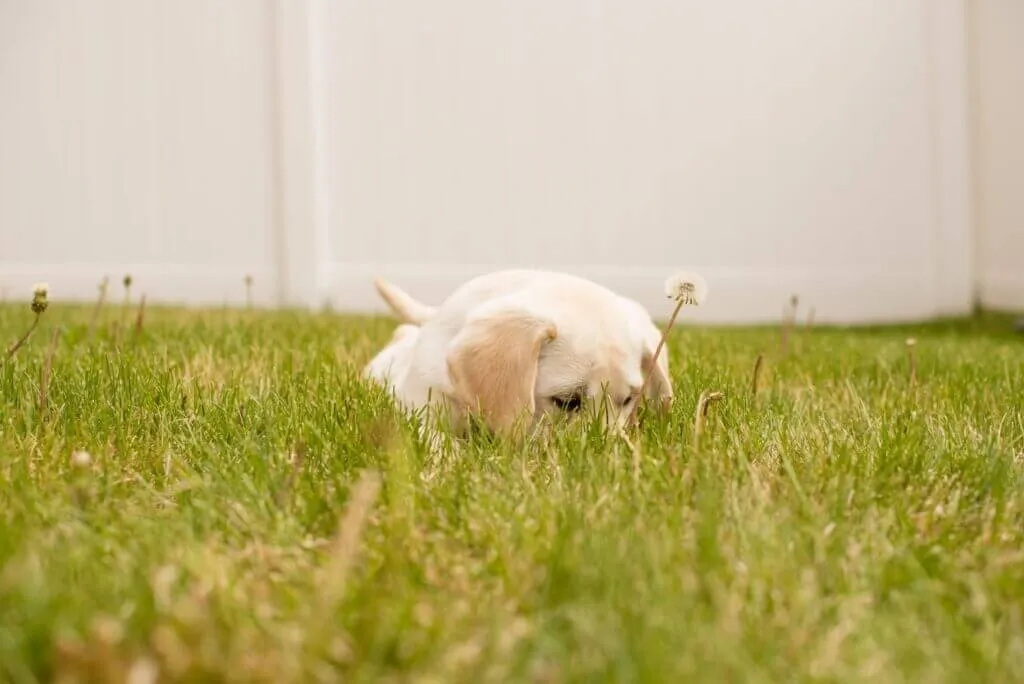 Labrador puppy hiding in the grass
Establishing a Routine for Your 10-Week-Old Puppy
Puppies thrive on predictability, and a well-structured routine builds their confidence. At 10 weeks old, your puppy is constantly learning, making it an opportune time to introduce basic cues and commands. Focus on essential skills like nighttime sleep training, socialization, toilet training, and providing ample opportunities for chewing. Advanced trick training can be reserved for later.
A typical 10-week-old puppy schedule revolves around a cycle of sleep, waking up for potty breaks, eating, more potty breaks, playtime, and then back to sleep, punctuated by frequent opportunities to relieve themselves. This consistent rhythm helps manage expectations and ensures your puppy’s needs are met.
Implementing a Toilet Training Schedule
Consistent potty breaks are non-negotiable at this age. A structured toilet training schedule, with reminders, will help prevent accidents. Puppies learn through repetition that eliminating in the designated spot leads to rewards. While some accidents are to be expected, a schedule minimizes the chances of them occurring indoors.
Prioritizing Socialization
The 10-week mark falls within your puppy’s critical socialization window, a period where they are highly receptive to new experiences and learning about the world. Engaging in positive socialization activities during this time is crucial for their long-term confidence and adaptability.
Engaging with Puzzle Toys
Beyond physical exercise, your puppy’s brain requires stimulation. Interactive puzzle toys, stuffed Kongs, and training games are excellent tools to challenge your 10-week-old puppy’s problem-solving skills. While they might get tired mid-activity, the mental engagement is highly beneficial.
Find training puzzling? Download Zigzag!
Providing Plenty of Chew Toys
The discomfort of teething makes chewing a natural and necessary behavior for puppies. Ensure a generous supply of chew toys to redirect this instinct away from furniture and household items. Edible chews can also be a highly motivating and enjoyable option for your puppy.
Defining House Rules
Establishing clear house rules helps your puppy understand expectations. Documenting these rules and making them visible can ensure everyone in the household is on the same page, providing a consistent environment for your puppy.
Researching Socialization Classes
Enrolling your puppy in a reputable socialization class is highly recommended. Look for classes that accept puppies between 10-12 weeks old and are affiliated with reputable organizations, such as those adhering to the UK Dog Charter, ensuring they use positive reinforcement methods.
Cherishing Puppyhood
Remember that this phase of playful, goofy puppyness is fleeting. Enjoy the unique scent and personality of your 10-week-old puppy without rushing them to grow up.
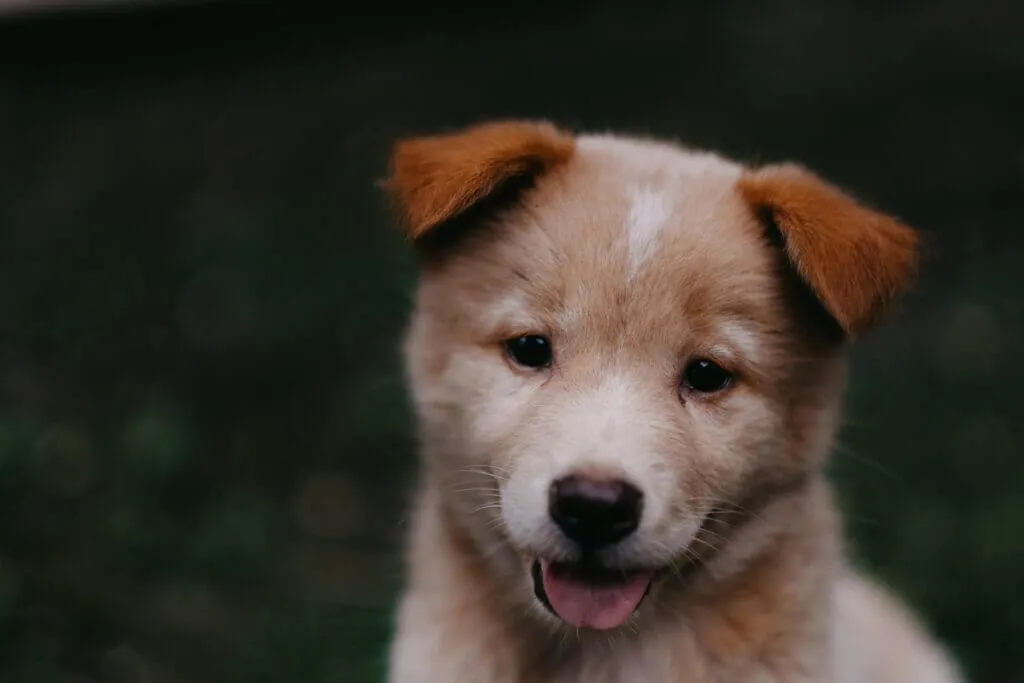 puppy sticking their tongue out to the camera
Understanding 10-Week-Old Puppy Behavior
At 10 weeks, puppies exhibit behaviors similar to toddlers, with limited emotional control, a tendency to tire quickly, and increased drooling.
Drooling Due to Teething
Increased saliva production is common at this age, primarily due to the discomfort of losing baby teeth and the eruption of adult teeth.
Playfulness and Learning
Play is essential for puppies to practice hunting behaviors and strengthen their bond with you. Different breeds have unique play styles. Engaging in training games during playtime offers a dual benefit of fun and learning. It’s important to help your puppy calm down after play sessions at this age.
The Importance of Sleep
A consistent sleep schedule is critical for your 10-week-old puppy’s rapid emotional, mental, and physical growth. Ample daytime rest is vital for their development and overall well-being.
Exercise Needs for a 10-Week-Old Puppy
While a 10-week-old puppy may not be fully vaccinated and ready for outdoor walks, physical exercise through play is essential. Play not only keeps them fit and healthy but also serves as a stress reliever and strengthens your bond. Mental exercise through training and enrichment activities is equally important for stimulation and preventing boredom. The Zigzag app offers training lessons tailored to your puppy’s developmental stage, while safe socialization outings using carriers can provide valuable experiences.
Nutritional Guidance for Your 10-Week-Old Puppy
At 10 weeks, many puppies still benefit from four meals a day to maintain consistent energy levels and nutrient intake. Whether you opt for 3 or 4 meals, commercial dry or wet food, homemade recipes, or a raw diet, ensure the food is a complete and age-appropriate puppy formula. Complementary foods may not provide a full nutrient profile, which can be detrimental to a puppy’s rapid growth. A balanced intake of fats, proteins, carbohydrates, and essential minerals is crucial for their development.
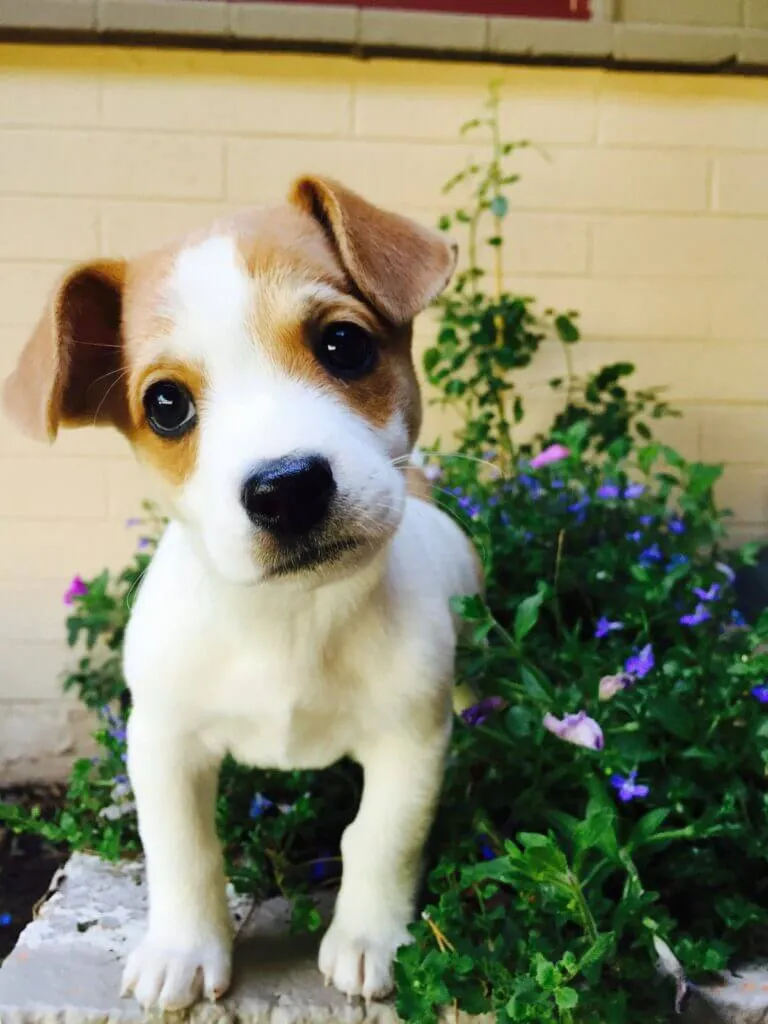 Puppy standing by blue flowers
Continuing Training Beyond the 10-Week Mark
Training is an ongoing process for puppies. Positive socialization experiences are fundamental to their future comfort and confidence. Continue to focus on toilet training, establishing nighttime sleep, basic command training, and teaching them to cope with being alone. Enrolling in a positive reinforcement-based socialization class is a logical next step. For continued support and guidance, explore the Zigzag app, which provides a science-backed program aligned with your puppy’s life stage and developmental milestones. A team of puppy trainers is also available for 7-day-a-week support.
Your 10-week-old puppy’s schedule should prioritize socialization, toilet training, sleep, play, and managing chewing behavior. Establishing a routine will simplify daily life and enhance your sense of control. For further guidance, consult our week-by-week puppy training schedule or consider essential puppy gear like harnesses.
