
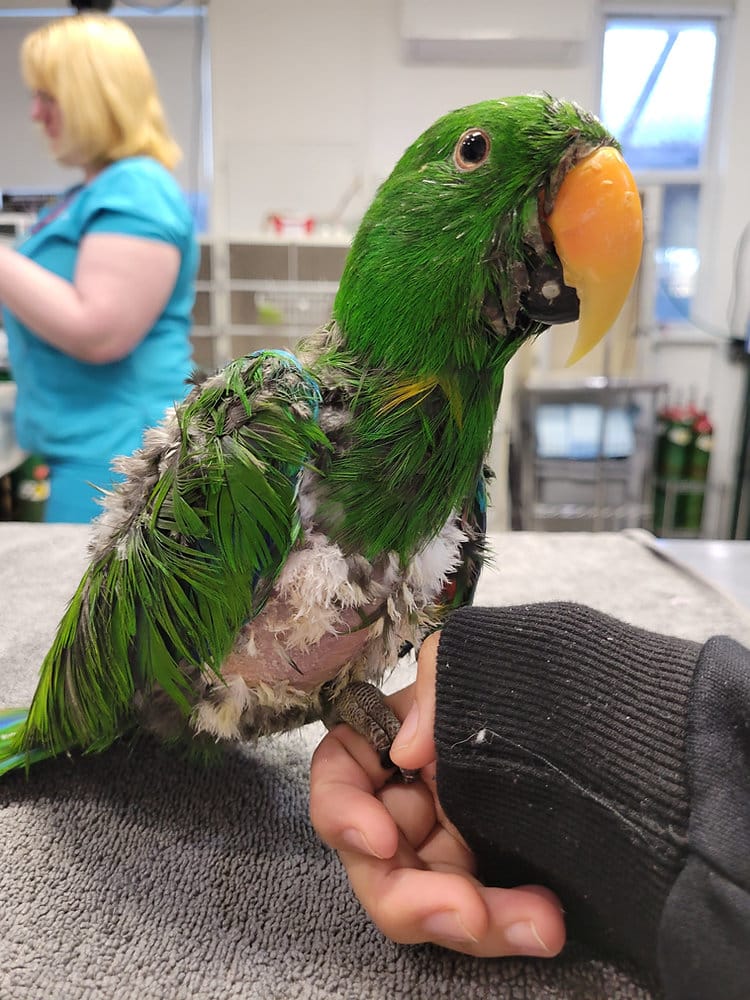
Feather plucking is a concerning behavior where birds damage or remove their own feathers, a condition that is relatively common among pet birds. This behavior can stem from various underlying issues, either medical or behavioral. Recognizing the signs and seeking prompt veterinary attention is crucial for addressing feather plucking effectively, as it can gradually worsen if left untreated.
Symptoms of Feather Plucking
Identifying feather plucking involves observing specific signs in your bird. These can include damaged or shortened feathers, thinning plumage, and noticeable bald patches, often found on the breast, under the wings, or around the legs. In some cases, self-inflicted skin lesions or infections may develop due to the plucking, and the bird might exhibit lethargy.
Potential Causes of Feather Plucking
The reasons behind a bird’s feather plucking are multifaceted and can include:
- Nutritional Deficiencies: An improper diet that doesn’t meet the specific needs of the bird’s species or life stage is a common culprit.
- Medical Conditions: Various diseases, such as liver damage, tumors, respiratory infections, or kidney failure, can cause discomfort that leads to plucking.
- Behavioral Issues: Boredom, compulsive disorders, stress from perceived predators (including other pets or even human presence), sexual frustration, or a lack of proper parental training can all contribute to this behavior. Enclosure size and setup can also play a role.
- Inflammatory Skin Conditions: Bacterial, fungal, or yeast infections of the skin can cause irritation and lead to plucking.
- Infectious Diseases: Certain diseases, like Psittacine beak and feather disease, which is caused by a circovirus, can affect birds, particularly those under three years old.
- Barbering: In multi-bird environments, other birds may pick at a specific bird’s feathers.
- External Parasites: Although less common, external parasites like lice or mites can cause discomfort.
- Other Factors: Insect bites, contact with human skin oils or moisturizers, or improper feather trimming can also trigger the behavior.
Veterinary Diagnosis of Feather Plucking
Diagnosing feather plucking requires a thorough approach by a veterinarian, often involving close collaboration with the bird’s owner. The vet will gather extensive historical information about the bird’s environment and behavior. Key questions might include the duration of the behavior, recent environmental changes, the size of the bird’s enclosure, the bird’s daily routine, and its diet.
Following the history and physical examination, diagnostic tests may be recommended:
- Blood Tests: Hematology and biochemistry panels can assess liver and kidney function, detect nutrient deficiencies, identify signs of infection, and screen for specific viral diseases.
- Skin Scraping or Biopsy: Microscopic examination of skin samples can reveal infections or other abnormalities. These procedures are often performed under anesthesia to minimize stress.
- X-rays: Imaging can help identify internal issues such as foreign material, arthritis, or tumors.
- Endoscopy: A minimally invasive procedure using a small camera allows for direct visualization of internal organs and the respiratory system, and can also facilitate biopsies.
Treatment Strategies for Feather Plucking
Treatment for feather plucking is tailored to the specific underlying cause identified by your veterinarian.
- Dietary Adjustments: If nutritional deficiencies are identified, treatment involves supplementing the diet with necessary vitamins and ensuring a balanced intake of fresh fruits and vegetables alongside a species-appropriate pelleted diet. Vitamins can be prescribed.
- Behavioral Enrichment: For behavioral causes, environmental enrichment is key. This includes providing foraging opportunities, adequate physical space for flight, stimulating sensory experiences (like window views or music), social interaction, and challenging puzzles. Providing appropriate toys is essential.
- Infection Treatment: Bacterial, fungal, or yeast infections are treated with topical or oral prescription medications.
- Medications: In some cases, behavioral modification medications like clomipramine or haloperidol may be prescribed to reduce compulsive plucking. Antibiotics or antifungals will be used for infections, and omega-3 fatty acids can support skin health. Multivitamins may be given to correct deficiencies. An Elizabethan collar may be used short-term to prevent further damage while the bird heals.
Recovery and Long-Term Management
Once medical issues are addressed or ruled out, the focus shifts to environmental enrichment and managing potential triggers. Establishing a consistent daily routine for your bird is vital, with a light-dark cycle of approximately 12 hours of light and 12 hours of darkness, and covering the cage during the dark period. Increased social interaction throughout the day can help reduce anxiety.
Encouraging normal grooming behaviors through misting or bathing can also be beneficial. While distracting the bird with clothing over affected areas can help, this should only be done under supervision. Introducing new toys and rotating them regularly, along with offering novel foods, can keep your bird engaged and reduce opportunities for plucking.
Consistent communication with your veterinarian during follow-up visits is important to monitor progress and address any changes. Untreated feather plucking can lead to secondary complications such as bacterial or fungal skin infections, lethargy, appetite loss, pain, and depression.
Preventing feather plucking involves providing a diet that promotes health, ensuring a high-quality commercial diet formulated for the specific species, and maintaining a clean, appropriately sized enclosure with clear distinctions between living and waste areas.
Feather Plucking in Birds FAQs
Why are my birds plucking their feathers?
While occasional feather plucking can be part of normal grooming, significant feather loss, damage, or baldness indicates a problem. The primary contributing factors are nutritional, medical, and behavioral issues.
Can birds recover from feather plucking?
Recovery depends on various factors, including the duration of the behavior, the owner’s ability to manage stressors through enrichment and routine, and the severity of the plucking. Some feather damage may be permanent, even if the plucking behavior ceases.
How do I know if my bird is feather plucking?
Look for areas of missing feathers, bald spots, severe feather thinning, or skin lesions. Any of these signs warrant a veterinary examination to determine the cause.
Featured Image: iStock.com/sdominick
References
Gaskins LA, Hungerford L. Nonmedical Factors Associated With Feather Picking in Pet Psittacine Birds. Journal of Avian Medicine and Surgery. 2014;28(2):109-117.
Skin and Feather Disorders of Pet Birds – Bird Owners. Merck Veterinary Manual.
Feather-Picking in Parrots. UC Davis.
BASIC CARE for COMPANION BIRDS. Association of Avian Veterinarians. 2019.
FEATHER PLUCKING. Royal Veterinary College, University of London. 2017.
References
WRITTEN BY
Jessica Hockaday, DVM
Veterinarian
Dr. Jessica Hockaday completed her undergraduate degree from California Polytechnic State University, San Luis Obispo, earning a Bachelor…
