
Struvite bladder stones, also known as uroliths, are a common mineral formation found in a dog’s urinary tract, particularly in the bladder and urethra. These rock-like deposits are often linked to urinary tract infections (UTIs) and shifts in urine pH, making them a prevalent concern for dog owners. While the clinical signs can mirror those of a UTI, such as increased urination frequency or blood in the urine, effective management strategies are available. Treatment typically involves antibiotics and specialized veterinary diets designed to dissolve the stones. In some instances, surgical intervention may be necessary. Preventing recurrence hinges on diligent management of UTIs and strategic dietary adjustments.
Causes of Struvite Stones
In dogs, the primary culprits behind struvite stone formation are often UTIs caused by urease-producing bacteria. Struvite crystals emerge when urine becomes more alkaline and concentrated. Under these conditions, specific mineral components become supersaturated, fostering the growth of struvite crystals. These crystals then aggregate, forming organized stones or multiple smaller ones. As these stones enlarge, they can trap bacteria within their layers. While struvite stones are more frequently observed in young, female, small-breed dogs, no breed or size is entirely immune.
Recognizing the Clinical Signs
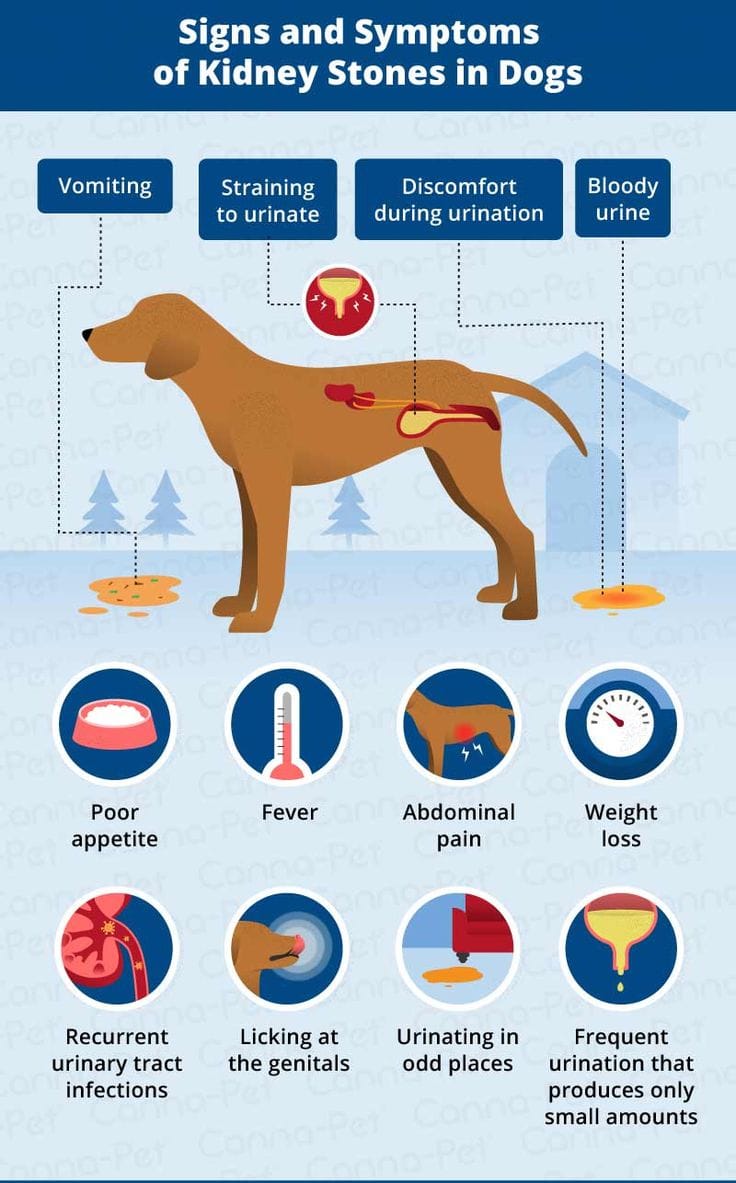
Some dogs may exhibit no outward signs of struvite stones. However, the most common indicators include:
- Bloody urine: The presence of blood in the urine can be a significant warning sign.
- Increased frequency of urination: A dog may feel the urge to urinate more often than usual.
- Straining to urinate: Difficulty or pain during urination is another key symptom.
- Urinary accidents in the home: House-trained dogs may begin to have accidents indoors.
A particularly dangerous complication is urinary obstruction, where a stone blocks the passage of urine from the bladder or urethra. Signs of obstruction are severe and include vomiting, abdominal pain, lethargy, dehydration, and potentially bladder rupture. A urinary obstruction is a critical medical emergency requiring immediate veterinary attention.
Diagnosis of Struvite Stones
A veterinarian may be able to detect larger bladder stones through physical examination and abdominal palpation. To confirm the presence and nature of struvite stones, they may recommend a series of diagnostic tests:
- Urinalysis: To analyze the composition and characteristics of the urine.
- Urine culture and sensitivity: To identify specific bacteria causing infection and determine effective antibiotics.
- Abdominal X-rays or ultrasound: To visualize the stones and assess their size and location.
- Urolith analysis: To definitively determine the mineral composition of the stones.
Treatment Approaches
The cornerstone of struvite stone treatment involves a combination of antibiotics to clear any infection and a specific therapeutic diet. Diets such as Hill’s c/d, Royal Canin Urinary SO, and Purina Pro Plan UR are formulated to reduce magnesium, phosphorus, and protein levels while helping to acidify and dilute the urine. This approach can effectively dissolve struvite stones, often within 8 to 12 weeks, though sometimes sooner.
Throughout the dissolution process, your veterinarian will likely monitor urine samples and conduct periodic X-rays (around every four weeks) to track the stones’ progress. It’s important to note that stones can sometimes be composed of multiple mineral types, which may influence the treatment and dissolution timeline. If stones are not dissolving as expected or if there’s a risk of urinary tract obstruction, surgical removal of the stones (cystotomy) may be recommended. In specialized cases, a non-surgical procedure called lithotripsy can be performed to break down stones into smaller fragments.
Prognosis and Outcome
The outlook for dogs diagnosed with struvite stones is generally positive when a diligent and appropriate treatment plan is followed. However, dietary therapy alone might prove insufficient if underlying UTIs are not adequately treated or if the stones are a mixed mineral composition. To minimize the risk of recurrence, most dogs will require lifelong management, including ongoing dietary adjustments and consistent monitoring for UTIs. Preventing dog skin problems treatment can also contribute to overall health.
Prevention Strategies
Preventing struvite stone recurrence primarily focuses on thwarting recurrent UTIs through regular urine sample monitoring and making strategic dietary changes. Encouraging increased water consumption by adding water to dry food or incorporating canned food into the diet is also beneficial. Therapeutic diets designed for struvite stone prevention aim to create a more acidic urine environment, promote increased urination, and are typically lower in protein, phosphorus, and magnesium. Regular check-ups are essential, similar to how one might monitor for puppy hair loss treatment to ensure overall well-being. Addressing any underlying issues, like symptoms related to dog cold medicine for runny nose, also supports a healthy immune system.
