
Dealing with canine diarrhea is a common challenge for many pet owners. While an occasional upset stomach can be a minor issue, an extreme bout can signal a more serious underlying condition. When faced with your dog’s sudden gastrointestinal distress, the thought of reaching for a quick fix like Imodium from your medicine cabinet might be tempting. However, understanding the potential dangers and appropriate treatments for best anti diarrhea medicine for dogs is crucial for your pet’s well-being. This article delves into the use of Imodium (loperamide) for dogs, highlighting why caution is paramount, and explores safer alternatives recommended by veterinary professionals.
What is Imodium (Loperamide) and How Does It Work for Dogs?
Imodium is a widely recognized brand name for loperamide, an over-the-counter antimotility drug designed to treat diarrhea. In both humans and dogs, Imodium functions by slowing down the movement of digestive waste through the intestinal tract. Loperamide, a synthetic opioid, achieves this by increasing the muscle tone of the small intestine. This action promotes better absorption of fluids, leading to less watery stools and helping to resolve diarrheal symptoms. It is also believed that loperamide can help tighten the anal sphincter, potentially assisting dogs with fecal incontinence.
The Critical Question: How Safe is Treating Diarrhea in Dogs with Imodium?
When your dog is experiencing diarrhea and you’re struggling to manage the mess, Imodium might appear to be an attractive solution. However, veterinarians strongly advise against administering loperamide without prior consultation. Dr. Deborah Mandell, VMD, a Professor and Director of Emergency Service at Matthew J. Ryan Veterinary Hospital of the University of Pennsylvania, emphasizes that pet owners should never give Imodium or other loperamide-containing drugs without contacting their veterinarian first. This crucial step ensures that there are no inherent risks for your specific dog, as administering the drug inappropriately can lead to serious, even life-threatening, complications. Understanding the potential pitfalls is key to responsible pet care.
 Pug pooping outdoors in tall grass.
The MDR1 Mutation: A Major Concern
One of the most significant risks associated with loperamide use in dogs is its interaction with the multidrug resistance 1 gene (MDR1 or ABCB1 mutation). If a dog possesses this gene mutation, loperamide can lead to severe central nervous system side effects and neurological toxicity. This condition can be incredibly dangerous and potentially fatal. Herding breeds are at the highest risk for this gene mutation, but it can affect many other breeds, including Collies, Australian Shepherds, Old English Sheepdogs, Shetland Sheepdogs, German Shepherds, and mixed breeds with these ancestries.
Dr. Mandell highlights a critical point: “Most owners are not going to know their dog’s MDR1 status.” This uncertainty underscores the importance of avoiding Imodium unless specifically instructed by a veterinarian who can assess this risk. Opting for anti diarrhea prescription medicine for dogs from a vet often comes with the knowledge that these crucial factors have been considered.
 German Shepherd puppy laying down alert in the grass.
Other Conditions Where Imodium is Contraindicated
Beyond the MDR1 gene, Imodium is not suitable for all dogs due to potential sedative effects and negative impacts on the gastrointestinal tract. Dr. Mandell advises against using loperamide in dogs with pre-existing conditions such as respiratory disease, liver disease, endocrine disease, head injury, or neurologic disease. It is also contraindicated for very sick dogs, as it can exacerbate their condition, particularly if the diarrhea is due to infectious or toxic causes.
Specific examples of conditions where loperamide use could be problematic include Addison’s disease, hypothyroidism, parvovirus, and hydrocephalus. Furthermore, Imodium should not be administered to:
- Pregnant or nursing bitches
- Puppies under six weeks old
- Toy breed dogs, which can be particularly sensitive to medications
- Dogs experiencing fever
- Dogs with bloody diarrhea, as this often indicates a more serious underlying issue
Drug Interactions: What to Watch Out For
Another significant concern when considering Treating Diarrhea In Dogs With Imodium is its potential to interact negatively with other medications your dog may be taking. Dr. Mandell cautions that loperamide can interact with a range of drugs, leading to adverse effects or reducing the efficacy of either medication. This is a vital consideration for pet owners whose dogs are already on a regular medication regimen. Many pet owners might seek a dog anti diarrhea medication prescription from their vet to ensure no dangerous interactions occur.
Some of the drugs known to interact problematically with Imodium include:
- Antihistamines
- Certain antibiotics, such as erythromycin, trimethoprim, and sulfamethoxazole
- Specific antifungals, including ketoconazole and itraconazole
- Certain heart medications, such as amiodarone, carvedilol, propranolol, quinidine, and verapamil
- Monoamine oxidase inhibitors, including L-Deprenyl (Selegiline) or meperidine
- Various tranquilizers
Given these complex interactions, a veterinarian’s comprehensive understanding of your dog’s medical history and current medications is indispensable before considering any new treatment. This proactive approach ensures your pet’s safety and well-being, preventing potentially harmful drug combinations.
 Chinook puppy laying down outdoors.
Safer Alternatives to Imodium for Canine Diarrhea
Fortunately, for most cases of canine diarrhea, less aggressive and safer alternatives than Imodium are available and highly effective. Dr. Mandell emphasizes that “Most cases of diarrhea respond to conservative therapy and don’t need Imodium.” She strongly recommends starting with a switch to a bland diet and incorporating probiotics. This two-pronged approach is generally gentle on the digestive system and often sufficient to resolve mild to moderate diarrhea.
A bland diet typically consists of plain boiled chicken (skinless and boneless) mixed with white rice. This simple combination is easy to digest and helps soothe an irritated gastrointestinal tract. Rather than feeding one or two large meals, it’s best to offer small portions frequently throughout the day. Probiotics for dogs play a crucial role by helping to restore a healthy balance of beneficial bacteria in the intestinal microbial environment, which is often disrupted during bouts of diarrhea. Many veterinarians also consider prescription medication for dogs with diarrhea if conservative therapy is not enough.
If these conservative measures do not resolve the diarrhea within 48 hours, or if other concerning symptoms emerge, it’s imperative to contact your veterinarian. These additional symptoms might include vomiting, stomach pain, loss of appetite, fever, or lethargy, all of which could indicate a more serious underlying health issue requiring professional diagnosis and treatment. Seeking timely veterinary advice ensures that any severe conditions are addressed promptly and effectively.
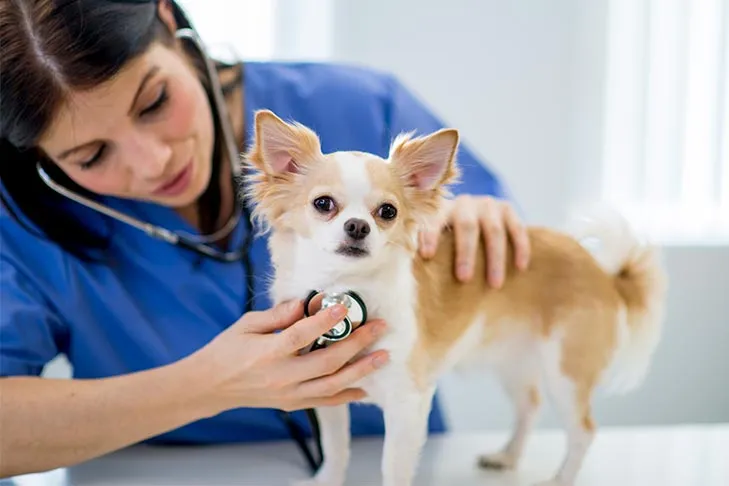 Chihuahua getting a check-up at the vet.
Potential Side Effects of Imodium in Dogs
Even in dogs without known contraindications to loperamide, and when administered at the correct dosage, side effects can still occur. While not always common, it’s important for pet owners to be aware of the potential adverse reactions. Dr. Mandell lists several possible side effects, including:
- Sedation, which can range from mild to significant
- Bloat, a dangerous condition where the stomach fills with gas and can twist
- Constipation, which can be a rebound effect from slowing intestinal motility too much
- Pancreatitis, inflammation of the pancreas
- Distended colon, an enlargement of the large intestine
These side effects highlight why Imodium should never be used without explicit instructions from a veterinarian, who can provide precise dosage information and monitor for potential adverse reactions. While some owners might consider using products like dogs and pepto for similar issues, these also come with their own set of risks and should only be used under veterinary guidance.
Conclusion
While the desire to quickly alleviate your dog’s discomfort from diarrhea is understandable, treating diarrhea in dogs with Imodium without veterinary consultation carries significant risks. The potential for severe neurological toxicity in dogs with the MDR1 gene mutation, along with other health contraindications and drug interactions, underscores the importance of professional medical advice. For most cases of canine diarrhea, safer and equally effective alternatives like a bland diet and probiotics are recommended. Always consult your veterinarian if diarrhea persists for more than 48 hours or is accompanied by other worrying symptoms. Prioritizing your veterinarian’s guidance ensures the most appropriate and safest treatment plan for your beloved pet.
