
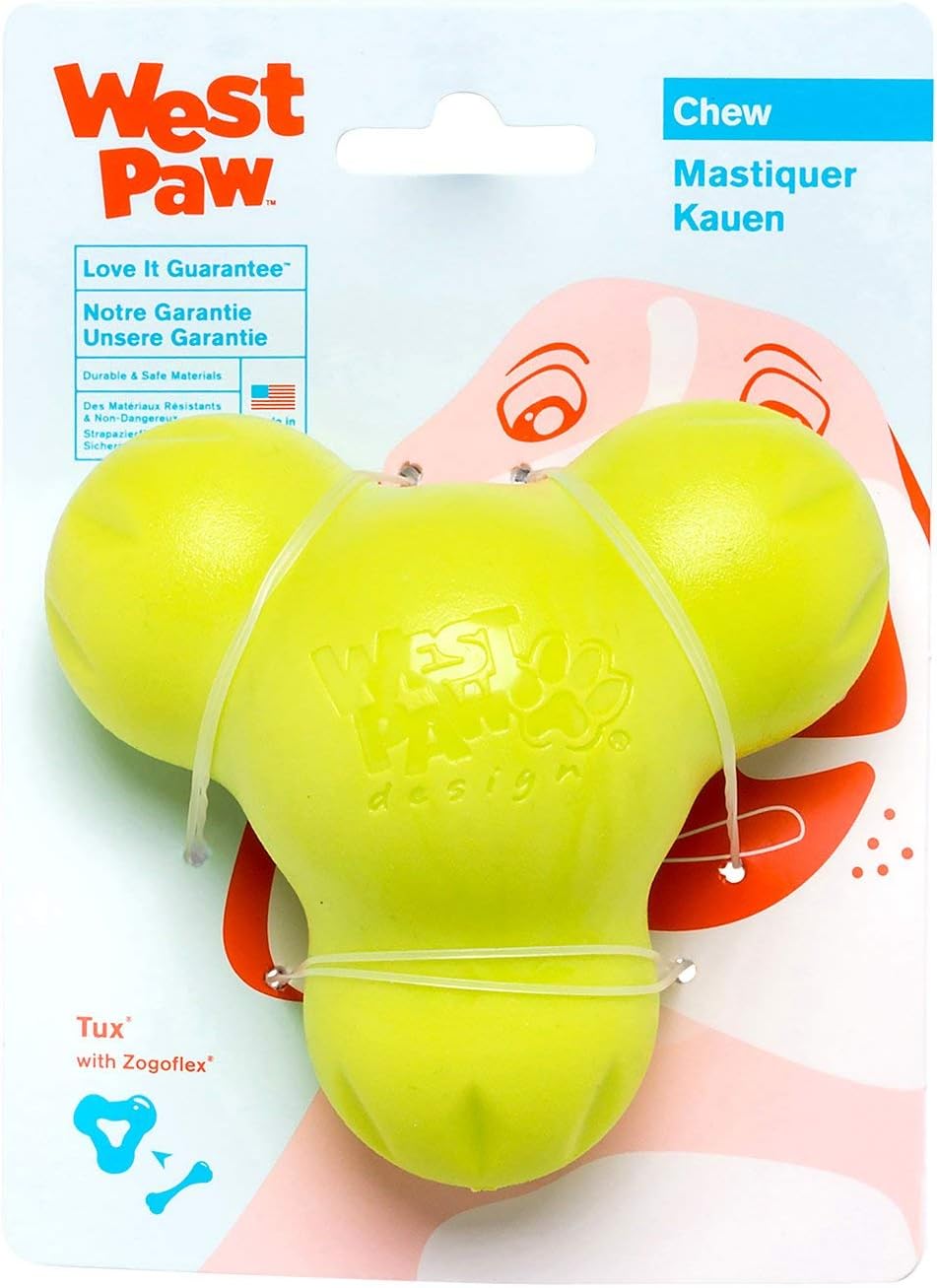
For dog owners seeking effective training tools and engaging activities for their pets, treat-dispensing toys represent a significant advancement in canine enrichment. These innovative products, ranging from simple snuffle mats to sophisticated electronic dispensers, offer a multitude of benefits, from managing fast eaters and reducing boredom to enhancing mental stimulation and redirecting undesirable behaviors. This guide explores the diverse world of treat-dispensing toys, helping you select the best options for your dog’s individual needs.
The concept of using food-stuffed toys to entertain dogs gained traction in the mid-1980s, evolving from basic fetch balls to more interactive designs like the iconic Kong. Today, the market boasts an extensive array of products that encourage dogs to chew, lick, nudge, and paw to access their rewards. These toys are not merely entertainment devices; they are valuable tools for addressing various training and management challenges, transforming mealtime and playtime into enriching experiences.
Snuffle Mats: Engaging the Sense of Smell
Snuffle mats, originally a DIY project, have become a commercialized staple in canine enrichment. These mats feature a surface of fleece strips or rubber fingers designed to hide kibble or treats, prompting dogs to use their sense of smell to locate their food.
Benefits and Uses
Snuffle mats are particularly beneficial for dogs who eat too quickly, as the act of sniffing and retrieving food from the mat naturally slows down their eating pace, reducing the risk of choking. They also serve as an excellent boredom buster for dogs left alone and can help keep a dog calmly occupied during potentially stressful situations, such as waiting at training classes. For dogs new to this type of enrichment, starting by placing treats on top of the mat and gradually burying them deeper can help them learn how to effectively use the toy.
Considerations
While most snuffle mats are machine washable, owners should exercise caution. Dogs prone to chewing or ingesting non-food items should not be left unsupervised with these mats, as they can be chewed up and ingested.
Recommended Products
- Darkyazi Snuffle Mat/Nosework Blanket
- Paw5’s Wooly Snuffle Mat
- Petvins Dog Feeding Snuffle Mat
- SNiFFiz Smelly Matty
Fill-with-Food Toys: Lick and Chew Engagement
The classic Kong toy remains a popular choice for stuffing with food. Available in various strengths, including black for aggressive chewers and softer versions for puppies, Kongs and similar fill-with-food toys challenge dogs to lick, squeeze, and chew to release their rewards.
Variety and Application
Beyond Kong, numerous competitors offer toys in diverse shapes, sizes, and materials. Some are designed with grooves for spreading soft treats like peanut butter, while others are hollow, encouraging extended chewing. Freezing stuffed toys can further prolong the engagement time, making them ideal for keeping dogs occupied and slowing down fast eaters.
Important Cautions
Not all dogs are inherently motivated to chew for treats. Some may require encouragement, while others might prefer different types of food toys. Aggressive chewers can damage and ingest pieces of these toys, so selecting durable options or supervising play is crucial.
Recommended Products
- Busy Buddy’s Twist’n Treat
- Idepet Dog Toy Ball
- Kong (various sizes and types)
- Kong Genius Leo Food Dispensing Dog Toy
- West Paw Rumbl
- West Paw Toppl
- Planet Dog Orbee-Tuff Snoop
Kibble-Dribbling Toys: Nudging for Rewards
Kibble-dribbling toys, often called “push toys,” require dogs to nudge, roll, and manipulate the toy to release kibble or small treats. Products like the Buster Cube and Omega Paw’s Tricky Treat Ball are classic examples, designed to dispense food gradually.
Functionality and Design
These toys feature a compartment for kibble and one or more holes for dispensing. When choosing a kibble-dribbler, look for designs that offer a balanced challenge—not so easy that the food spills out too quickly, nor so difficult that the dog becomes frustrated. Toys that are easily opened for cleaning are also preferable to prevent moldy kibble buildup. The Kong Wobbler, with its weighted base that self-rights, is a notable example that enhances interactive play.
Considerations
While engaging, these toys are not designed for chewing. Dogs who tend to chew rather than push may damage these toys. Additionally, they can be noisy, especially on hard floors, which is something to consider for sensitive households.
Recommended Products
- Busy Buddy’s Kibble Nibble
- Omega Paw’s Tricky Treat Ball
- Our Pets Buster Cube
Slow-Feeder Bowls: Managing Mealtime Speed
Slow-feeder bowls are stationary alternatives to interactive toys, designed to slow down dogs who eat their meals too rapidly. These bowls typically feature raised patterns, grooves, or pegs that require dogs to use their tongues to access their food, thus slowing consumption and potentially reducing the risk of bloat and choking.
Advantages and Suitability
These bowls accommodate various food types, including dry kibble, wet food, and homemade meals. Their design also makes them a good option for dogs who might become discouraged by more complex puzzle toys. Many are dishwasher-safe for easy cleaning.
Limitations
Some groove designs can be challenging to clean manually, necessitating a dishwasher. While available for various dog sizes, models for smaller breeds may be less common.
Recommended Products
- Neater Pets’ Slow Feeder
- Outward Hound’s Slo Bowls
- QT Dog’s Brake-Fast Stainless Steel Dog Bowl
Licky-Sticky Things: Calming Through Licking
Licky-sticky products are designed to be affixed to a surface, typically with suction cups, and filled with soft, lickable foods such as peanut butter, yogurt, or cream cheese. These toys keep dogs engaged in a stationary licking activity.
Practical Applications
These toys are exceptionally useful for keeping a dog occupied and calm during necessary husbandry tasks that require free hands, such as grooming, bathing, or administering medication. The prolonged licking action can also create a positive association with these activities.
Cautions
Licky-sticky toys are generally not suitable for dogs with food-guarding behaviors unless addressed through training. Because they are designed for licking, not chewing, they may not withstand aggressive chewers.
Recommended Products
- Aquapaw Slow Treater Treat Dispensing Mat
- Chase ‘N Chomp’s Sticky Bone
- Helpcook Dog Lick Pad
- Lickimat Tuff Buddy Dog Mat
- Lickimat Tuff Soother Dog Mat
Interactive Dog Puzzles: Mental Stimulation
Interactive toys, or dog “puzzles,” challenge dogs mentally and physically as they work to uncover hidden treats. Developed by designers like Nina Ottosson, these toys offer a variety of difficulty levels, promoting cognitive health and providing stimulation.
Benefits for All Dogs
Interactive puzzles are beneficial for all dogs, especially seniors, those with handicaps, or dogs undergoing rehabilitation, as they encourage calm engagement. They also serve as excellent tools for relationship-building between dogs and their owners through shared activity.
Important Considerations
Some puzzles can be complex, requiring initial guidance from the owner to prevent frustration. Early models made of wood were susceptible to chewing and difficult to clean; modern plastic versions are more durable, but small pieces can still pose a risk if a dog is inattentive. These toys are best used under supervision.
Recommended Products
- Nina Ottosson dog puzzles
- Trixie Pet Products’ Dog Activity Strategy Games
Electronic Treat Dispensers: Tech-Enhanced Engagement
The latest generation of treat-dispensing toys includes electronic and computerized options. These range from remote-controlled treat launchers to devices with timers and even app-controlled systems that allow owners to dispense treats and communicate with their dogs remotely.
Advanced Features
Many electronic dispensers can be programmed to release treats at random intervals, helping to alleviate separation anxiety. Some models include cameras and two-way audio, offering owners peace of mind and a means of monitoring their pets. The remote treat-dispensing function can be strategically used in training to redirect a dog’s attention or encourage specific behaviors, such as moving away from the door when visitors arrive.
Potential Drawbacks
High-tech dispensers can be pricey and may require a stable internet connection. In multi-dog households, the remote dispensing function could potentially create competition for resources. Users should also be comfortable with technology to fully utilize these advanced features.
Recommended Products
- Furbo Dog Camera
- PetCube Bites
- PetSafe Treat & Train Remote Reward Dog Trainer
- Ready Treat Remote Treat Dispenser
With a wide array of options available, treat-dispensing toys offer a fantastic way to enrich your dog’s life, address behavioral challenges, and enhance your bond. By understanding the different types of toys and their benefits, you can select the perfect tools to keep your canine companion happy, healthy, and mentally stimulated.
