
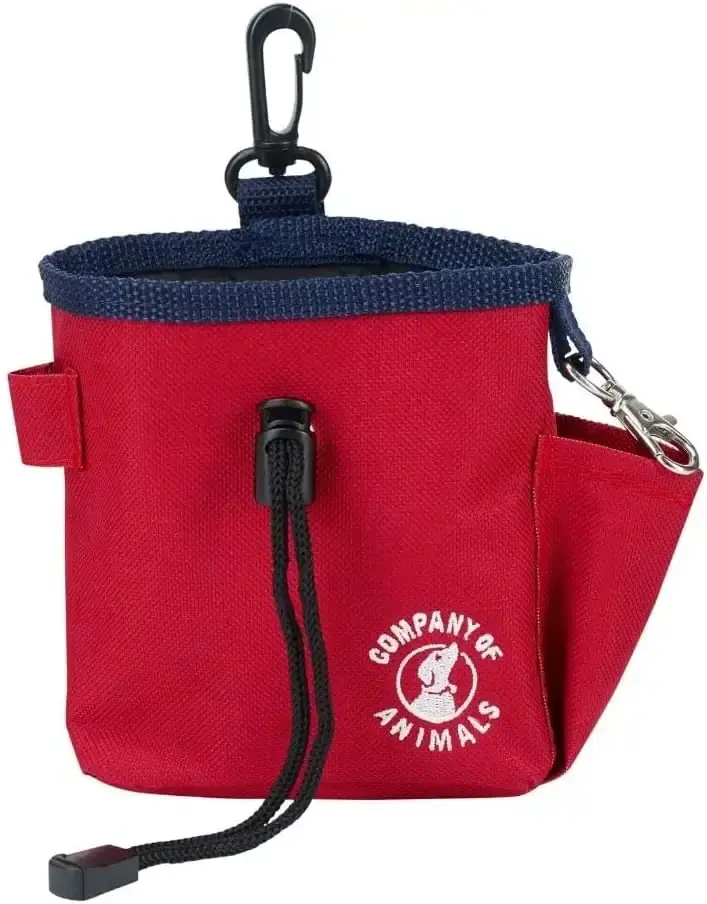
As a devoted dog owner and enthusiast, you understand that training your canine companion is a journey filled with wagging tails, moments of triumph, and the occasional oops. At the heart of successful training lies positive reinforcement, and what better way to reward a job well done than with a delicious treat? This is where the humble yet mighty Treat Bag For Dog Training comes into play. It’s more than just a pouch; it’s your mobile reward station, a constant companion on your training adventures, and a key tool in building a stronger bond with your dog. Whether you’re teaching basic commands, mastering advanced tricks, or tackling behavioral challenges, having the right treat bag can make all the difference. Let’s dive deep into the world of dog training treat bags and discover how they can revolutionize your training sessions.
Why Every Dog Owner Needs a Treat Bag for Training
You might be thinking, “Can’t I just keep treats in my pocket?” While that might work in a pinch, a dedicated dog training treat bag offers significant advantages that streamline your training and enhance its effectiveness.
- Instant Access: The most crucial benefit is immediate access to rewards. When your dog performs a desired behavior, you need to reward them instantly – within one to two seconds – to create a clear association. Fumbling in pockets or a regular bag wastes precious time and can diminish the impact of the reward. A treat pouch keeps treats readily accessible.
- Training Focus: A designated treat bag signals to your dog that training time has begun. The sight of the pouch often gets them more engaged and focused on the task at hand.
- Portability and Convenience: These bags are designed for convenience. Many clip onto your belt, waist, or shoulder strap, freeing up your hands for commands and praise. They often have multiple compartments for treats, clickers, poop bags, and even your phone.
- Variety of Rewards: A good pouch allows you to carry a variety of treats, keeping your dog motivated and preventing them from getting bored with the same old snack.
- Cleanliness: Some treats can be greasy or crumbly. A dedicated treat bag contains the mess, keeping your pockets and regular bag clean.
Choosing the Right Treat Bag for Dog Training: Key Features to Consider
With a plethora of options available, selecting the perfect dog treat bag for training can seem overwhelming. Here’s a breakdown of essential features to help you make an informed decision:
Material and Durability
Look for bags made from durable, easy-to-clean materials.
- Nylon and Polyester: These are common choices, offering good durability and water resistance.
- Silicone: Increasingly popular, silicone pouches are waterproof, odor-proof, and incredibly easy to clean. Simply turn them inside out and wash.
- Canvas: A more natural option, but can be harder to clean if treats are greasy.
Size and Capacity
Consider the size of your dog and the length of your training sessions.
- Small Pouches: Ideal for quick, impromptu training sessions or for owners of smaller dogs who don’t require a huge quantity of treats.
- Medium to Large Pouches: Better suited for longer training sessions, advanced training, or for owners of large dogs who tend to eat more. Look for pouches that can hold at least 1-2 cups of treats.
Closure Mechanism
How the bag opens and closes significantly impacts accessibility and security.
- Drawstring: Offers quick access but can sometimes let treats spill if not fully closed.
- Magnetic Closure: Popular for its one-handed operation and secure closure. Many find this the most convenient option for rapid treat delivery.
- Zippered or Buckle Closure: Provides the most secure closure, preventing accidental spills, but might be slightly slower to open.
Compartments and Pockets
Think about what else you might need during a training session.
- Main Compartment: For treats.
- Front Pockets: Useful for clickers, small toys, or keys.
- Side Pockets: Often designed for poop bags, allowing for easy dispensing.
- Internal Dividers: Some bags have these to keep different types of treats separate.
Attachment Method
How will you carry the bag?
- Belt Clip: A strong clip that attaches securely to your waistband or belt.
- Adjustable Strap: For wearing over the shoulder or around the waist.
- Velcro Loop: For attaching to a belt.
Ease of Cleaning
This cannot be stressed enough. Choose a bag that is simple to clean. Treats, especially moist ones, can leave residue and odors. Removable liners or bags made of waterproof materials are excellent choices.
Top Picks for Treat Bags for Dog Training
Here are a few examples of highly-rated dog training treat bags that exemplify the features discussed:
The Classic Clip-On Pouch
These are typically made of durable nylon or polyester and feature a strong clip for easy attachment to your belt or waistband. They usually have a main compartment with a drawstring or magnetic closure, and often include a side pocket for poop bags. They are a reliable, no-fuss option for everyday training.
The Versatile Silicone Pouch
For ultimate ease of cleaning and odor control, silicone pouches are hard to beat. Their flexible nature allows them to expand or contract based on treat quantity. Many feature a secure magnetic closure and a strong clip or loop for attachment. They are perfect for wet treats or for owners who prioritize hygiene.
The All-in-One Multi-Compartment Bag
If you carry more than just treats—like your phone, keys, or a small toy—a multi-compartment bag is your best bet. These often resemble small fanny packs or crossbody bags, with dedicated pockets for various training essentials. They offer maximum organization and convenience for extended training sessions or walks.
How to Use Your Treat Bag Effectively
Simply owning a treat bag for dog training isn’t enough; how you use it is key to successful training.
- Keep it Accessible: Always wear or carry your treat bag during training sessions. The goal is immediate reward delivery.
- Load it Up: Fill the bag with high-value treats that your dog loves. This could be small pieces of cooked chicken, cheese, or specialized training treats. Variety can help maintain your dog’s enthusiasm.
- One-Handed Operation: Practice opening and closing the bag with one hand so you can keep your other hand free for praise, petting, or guiding your dog. Magnetic closures are particularly good for this.
- Keep it Clean: Regularly empty and clean your treat bag. This prevents stale treats, unpleasant odors, and potential mold growth. Turn silicone bags inside out for a thorough wash.
- Don’t Overfeed: Remember that treats are rewards, not meals. Use them judiciously to reinforce desired behaviors. Adjust your dog’s regular food intake if necessary to avoid overfeeding.
Beyond Treats: Using Your Pouch for Other Training Essentials
While its primary purpose is treat delivery, your dog training treat bag can be a versatile tool:
- Clicker Training: Keep your clicker readily accessible in a front pocket for precise timing.
- Poop Bags: Essential for any outing, having them in a dedicated side pocket means you’re always prepared.
- Small Toys: For particularly energetic dogs or for games of fetch during breaks, a small tug toy or ball can be a great motivator.
- Keys or Phone: Some larger pouches have secure pockets for your essentials, allowing you to keep everything in one place.
Frequently Asked Questions About Dog Training Treat Bags
Q1: What’s the best type of treat to use in a training bag?
A1: The best treats are small, soft, and high-value for your dog – meaning they are highly motivating and delicious. Think tiny pieces of cheese, cooked chicken, hot dogs, or commercially made soft training treats. Avoid dry, crumbly biscuits that can make a mess.
Q2: How often should I clean my dog’s treat bag?
A2: Ideally, clean it after every few uses, or whenever you notice any residue or odor. If using moist treats, cleaning after each session is recommended.
Q3: Can I use any bag as a treat bag?
A3: While you can use any bag, a dedicated treat bag for dog training is designed for convenience, quick access, and durability. They often have specific features like one-handed closures and attachment clips that make training much smoother.
Q4: My dog is getting too many treats. How do I manage this?
A4: Use treats strategically for specific training goals. You can also use kibble from your dog’s regular food if they are highly motivated by it, or reduce their meal portions accordingly. Always factor training treats into their daily caloric intake.
Q5: Are there different sizes for different breeds?
A5: Yes, while many pouches are one-size-fits-all, consider the amount of treats you’ll need. Larger dogs or those in intensive training may require a larger capacity pouch than smaller dogs or those doing quick reinforcement sessions.
The Takeaway: Elevate Your Training with the Right Treat Bag
A dog training treat bag is an indispensable tool for any dog owner committed to positive reinforcement training. It’s a simple yet effective way to enhance communication, speed up learning, and strengthen the bond you share with your furry friend. By understanding the features to look for and how to use it effectively, you can transform your training sessions from a chore into a fun, rewarding experience for both you and your dog. So, invest in a quality treat bag, fill it with delicious rewards, and get ready to celebrate every well-deserved “good boy!” or “good girl!”
