
Walking your dog should be a joyous experience, a chance to bond and explore the world together. However, for many dog owners, the simple act of walking their canine companion can quickly turn into a frustrating tug-of-war. If your furry friend seems to have a mind of its own when it comes to leash manners, you’re not alone. This comprehensive guide to Training Your Dog To Walk On A Leash will equip you with the knowledge and techniques to transform your walks from a struggle into a serene stroll.
The Foundation: Why Leash Training Matters
Before diving into the “how-to,” let’s understand the “why.” Proper leash training is more than just preventing your dog from pulling. It’s about establishing clear communication, building trust, and ensuring safety for both of you. A dog that walks politely on a leash is less likely to bolt into traffic, chase after squirrels, or disturb other people and animals. It signifies a well-behaved companion and a responsible owner. For those seeking to refine this skill, understanding [dog training walking on leash] principles is paramount.
Essential Gear: Choosing the Right Equipment
The right equipment can make a significant difference in your training journey. While a standard collar and leash are the basics, consider these options:
- Martingale Collars: These collars are designed to tighten slightly when a dog pulls, offering a gentle reminder without choking. They are particularly useful for sighthounds with narrow heads.
- Front-Clip Harnesses: A popular choice for pullers, these harnesses have a leash attachment point on the dog’s chest. When the dog pulls, it gently turns them back towards you, discouraging forward momentum. Learning about a [dog leash training harness] can be a game-changer for many.
- Head Halters (e.g., Gentle Leader): These fit over a dog’s muzzle and behind the ears, offering excellent control by guiding the dog’s head. They require a gradual introduction to ensure your dog is comfortable.
- Leashes: Opt for a sturdy, comfortable leash, typically 4-6 feet long. Avoid retractable leashes, as they offer less control and can be dangerous.
Step-by-Step Training: Building Good Leash Habits
Consistency and patience are your greatest allies. Start in a quiet, distraction-free environment, like your backyard or living room, before moving to more stimulating outdoor settings.
1. Introducing the Leash and Collar/Harness
- Positive Association: Let your dog wear the collar or harness for short periods during enjoyable activities, like mealtime or playtime. Offer treats and praise to create a positive association.
- Leash Introduction: Once your dog is comfortable with the collar/harness, attach the leash. Let your dog drag it around (under supervision) for a few minutes, associating the leash with freedom and fun.
2. The “Loose Leash” Concept
The goal is to teach your dog that a relaxed, loose leash is rewarding, while a taut leash is not.
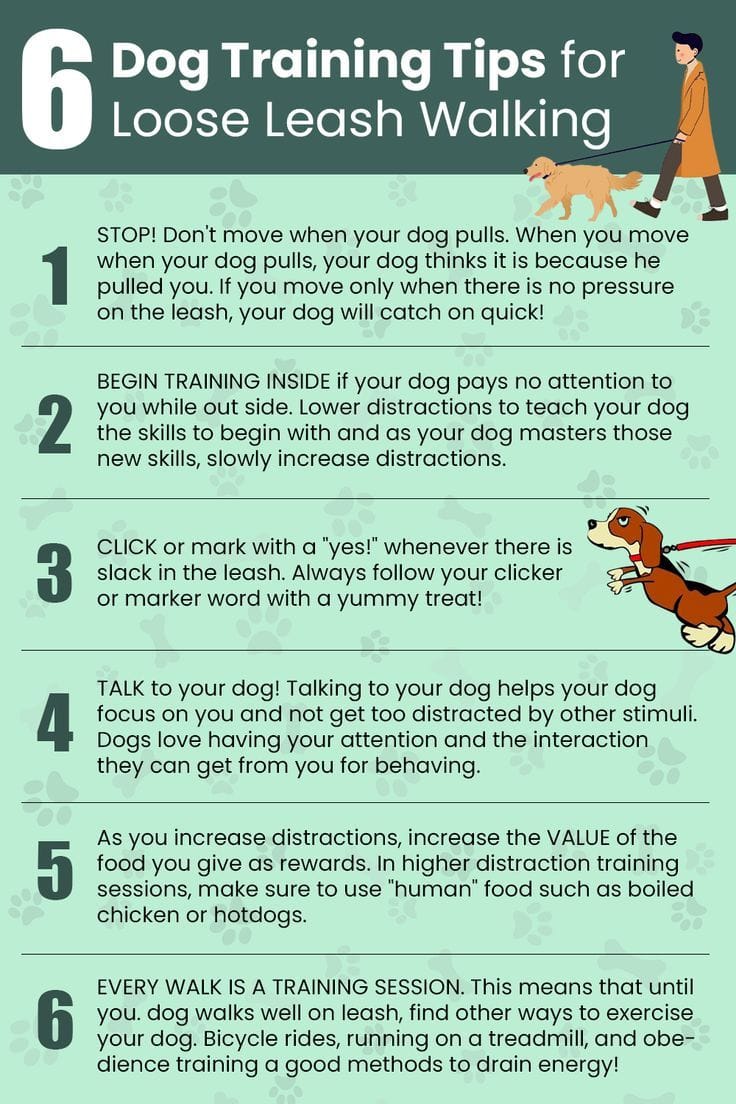
- Reward Slack: The moment you feel slack in the leash, mark it with a verbal cue like “Yes!” or a clicker, and immediately offer a high-value treat and praise. This teaches your dog that a loose leash gets them good things.
- Stopping the Forward Motion: If your dog starts to pull and the leash becomes taut, simply stop walking. Stand still like a tree. Do not yank or pull back. Wait for the leash to slacken, even slightly. The instant it does, resume walking. This teaches your dog that pulling stops the fun.
- Changing Direction: Another effective technique when your dog pulls is to immediately change direction. As soon as the leash tightens, turn and walk the other way. This encourages your dog to pay attention to your movements. This method is often part of effective [how to learn a dog to walk on a leash] programs.
3. Introducing Distractions Gradually
Once your dog is consistently walking well in a quiet environment, gradually introduce more distractions.
- Backyard Practice: Move to your backyard, where there are more sights and smells.
- Quiet Street Walks: Progress to a quiet street, then a slightly busier area.
- Park Visits: Eventually, tackle more challenging environments like parks, but be prepared to revert to easier methods if your dog becomes overwhelmed.
Addressing Common Leash-Pulling Problems
The “Excited” Puller: This dog pulls because they are overly enthusiastic about everything they encounter. For these pups, focus on impulse control exercises and rewarding calm behavior when they see distractions.
The “Distracted” Puller: This dog is easily sidetracked by sights, sounds, or smells. They tend to dart and weave. Consistent reward for attention on you and the loose leash is key here.
The “Fearful/Anxious” Puller: Some dogs pull to get away from things that scare them. In this case, focus on building confidence and positive associations with the things they fear, at a distance they can handle. For more severe cases, consult a professional.
If you’re struggling with a persistent puller, you might find resources on [training a dog to walk on a leash without pulling] invaluable. Sometimes, a specialized tool like a [dog pulling on leash training] program or a particular [dog leash training harness] can provide the necessary leverage.
Making Walks Enjoyable: Beyond Just Walking
- Vary Your Routes: Keep walks interesting by exploring different paths and parks.
- Incorporate Training: Use walks as an opportunity to practice other commands like “sit,” “stay,” or “leave it.”
- Allow Sniffing Time: Dogs explore the world through their noses. Allow ample time for sniffing, which is mentally stimulating and enriching for them.
- Positive Reinforcement is Key: Always use positive reinforcement methods. Punitive measures can create fear and anxiety, damaging your bond.
Advanced Techniques and Troubleshooting
- “Heel” Command: For a more formal walk, you can teach a “heel” command. This involves rewarding your dog for staying in a specific position next to you.
- Desensitization: If your dog reacts fearfully or aggressively to other dogs or people on walks, employ desensitization and counter-conditioning techniques. This involves gradually exposing your dog to the trigger at a distance where they remain calm, pairing it with high-value rewards.
- When to Seek Professional Help: If you’re consistently struggling, or if your dog exhibits significant fear, anxiety, or aggression, it’s time to consult a certified professional dog trainer or a veterinary behaviorist. They can provide personalized guidance and help address underlying issues.
Conclusion: The Rewarding Journey of a Well-Walked Dog
Training your dog to walk nicely on a leash is an investment in your relationship and your dog’s well-being. It requires patience, consistency, and a commitment to positive methods. By understanding the principles, choosing the right gear, and implementing effective training techniques, you can transform your daily walks into a harmonious and enjoyable experience for both you and your beloved canine companion. Remember, every step you take together is a part of your shared “Dog Care Story.”
