
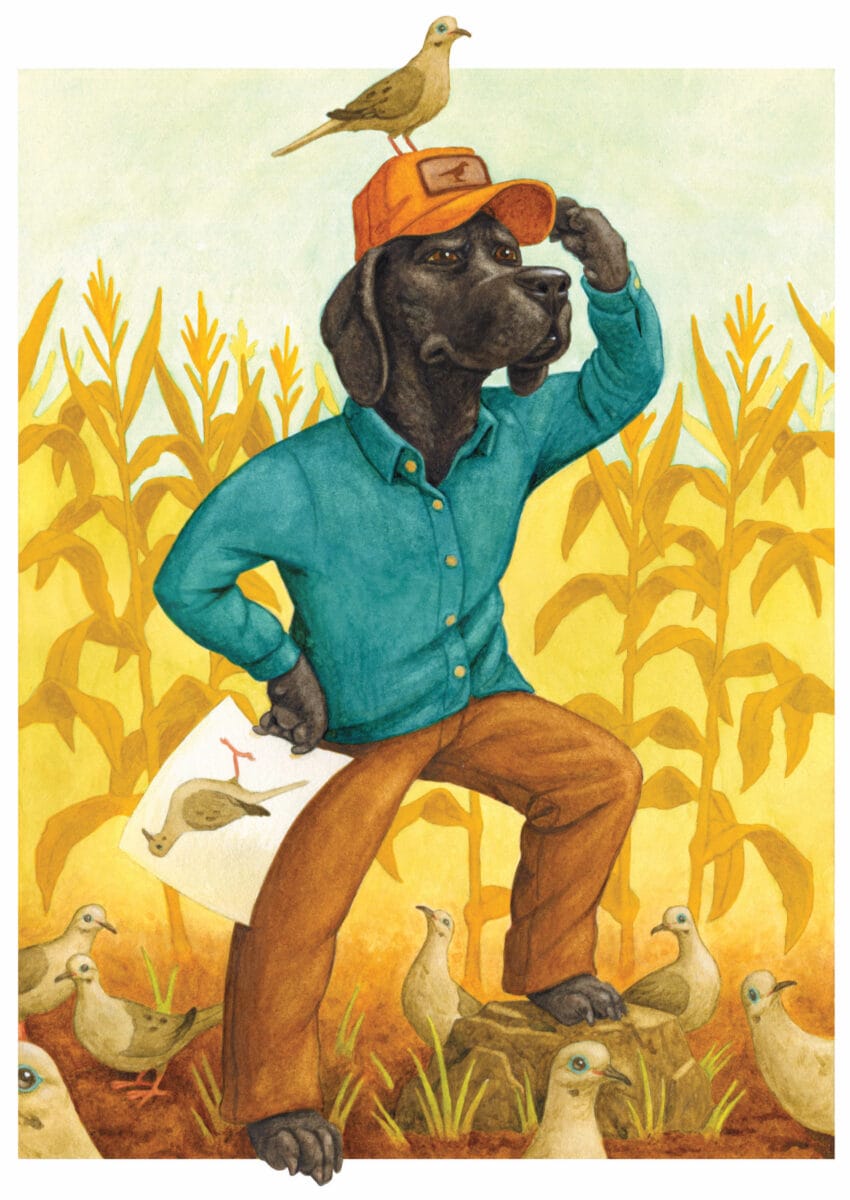
Bringing a bird dog into your life is a rewarding experience, filled with camaraderie and the thrill of the hunt. A crucial part of this journey is teaching your canine companion the art of retrieving, a skill honed over generations of selective breeding. Whether you’re aiming for success in the field or simply want a well-behaved companion, understanding how to train your dog to retrieve birds is paramount. This guide will walk you through the essential steps, from introducing the concept to refining advanced techniques, ensuring you and your dog can enjoy a fulfilling partnership.
The Foundation: Understanding the Retrieve Drive
The ability to retrieve is deeply ingrained in the genetics of many sporting breeds. Dogs bred for hunting often possess a natural instinct to chase, carry, and bring back game. This “retrieve drive” is the bedrock upon which all training is built. Recognizing and nurturing this innate behavior is key to a successful training program.
Identifying Natural Retrieving Tendencies
Before you even begin formal training, observe your dog. Does he naturally pick up and carry toys? Does he show interest when you throw a ball or a dummy? These early indicators suggest a strong retrieve drive. Even dogs with a weaker natural inclination can be trained, but it might require more patience and specialized techniques. The goal is to make the retrieve a positive and rewarding experience for your dog.
Why is Retrieve Training Important?
Beyond its application in hunting, retrieving skills offer numerous benefits:
- Mental Stimulation: It provides an excellent outlet for a dog’s energy and intelligence, preventing boredom and potential behavioral issues.
- Bonding: The training process strengthens the bond between you and your dog through shared activities and positive reinforcement.
- Obedience: It teaches the dog to follow commands, respond to cues, and work cooperatively with its handler.
- Safety: A dog that reliably retrieves can be more easily controlled in various environments.
Step-by-Step Guide to Training Bird Retrieval
The process of training a dog to retrieve birds can be broken down into several manageable stages. It’s essential to progress at your dog’s pace, ensuring each step is mastered before moving on.
Stage 1: Introducing the Dummy (or Soft Retrieve)
Start with a soft, textured dummy or a similar object that your dog can comfortably carry. This introduces the concept of picking up and carrying without the complexities of live birds or even feathers.
- Positive Association: Begin by making the dummy an object of desire. Play with your dog, letting him mouth and carry the dummy for short periods, offering praise and treats.
- Short Tosses: Toss the dummy a very short distance (a few feet). Encourage your dog to go after it. When he picks it up, use an encouraging voice and a happy demeanor.
- “Bring It” Command: As he picks up the dummy, say “Bring it!” or “Fetch!” in an excited tone. When he starts to move back towards you, praise him enthusiastically.
- Trading Up: When he brings the dummy to you, offer a treat or a favorite toy in exchange. This teaches him that bringing the item back results in a reward. Gradually increase the distance of your tosses as he becomes more confident.
Stage 2: Introducing Scent and Texture
Once your dog is reliably retrieving the dummy, it’s time to introduce the scent and texture of game birds.
- Scented Dummies: You can purchase dummies that are designed to hold scent or rub a dead bird (if available and ethically sourced) onto a regular dummy. This starts to bridge the gap between toys and real game.
- Introduce Dead Birds (Controlled Environment): If you have access to a dead bird (legally obtained and handled safely), introduce it to your dog on a lead in a controlled environment. Let him sniff and investigate. You can even drag it slightly to encourage his natural prey drive.
- Dummy with Feathers: Use dummies that are covered in feathers. This provides a more realistic feel and scent for the dog. Continue with short retrieves, reinforcing the “Bring it!” command.
Stage 3: The “Hard Mouth” Problem and Soft Mouth Training
A common issue is a dog that grips too hard, potentially damaging the game. “Soft mouth” training is crucial.
- “Too Hard!” Command: If your dog grips too hard, gently say “Too hard!” and momentarily take the dummy away. Do not scold; simply withdraw the reward.
- Reinforce Gentle Grasping: When he picks up the dummy with a softer mouth, offer immediate praise and a reward.
- Patience is Key: This is a gradual process. Consistency and positive reinforcement are vital.
Stage 4: Introducing Live Birds (Under Expert Guidance)
This is a critical stage and is best undertaken with the guidance of an experienced professional trainer, especially if you are new to bird dog training.
- Controlled Introduction: In a safe, enclosed area, allow your dog to see and potentially scent a live bird. The goal is to build excitement and focus, not to let the dog chase or injure the bird.
- “Leave It” Command: Simultaneously, reinforce the “Leave it” command to teach control.
- Simulated Retrieves: Use a trained bird or a launcher to release a bird a short distance away. Encourage your dog to retrieve it. Again, focus on a soft mouth and a prompt return.
Stage 5: Field Training and Advanced Techniques
As your dog becomes proficient, you can move to more challenging scenarios.
- Blind Retrieves: This involves sending your dog to retrieve a bird that he hasn’t seen fall. This tests his ability to follow your commands and use his nose.
- Water Retrieves: If your breed is suited for it, training water retrieves is essential for waterfowl hunting. Start in shallow, calm water and gradually increase the difficulty.
- Multiple Retrieves: Teach your dog to retrieve multiple birds in succession.
Essential Considerations for Bird Dog Training
- Breed Specifics: Different breeds have varying natural aptitudes and energy levels. Research your breed’s specific retrieving characteristics.
- Positive Reinforcement: Always use positive reinforcement methods. Praise, treats, and favorite toys are powerful motivators. Avoid harsh punishment, which can create fear and anxiety.
- Consistency: Regular, short training sessions are more effective than infrequent, long ones. Consistency in commands and expectations is key.
- Patience: Every dog learns at its own pace. Celebrate small successes and don’t get discouraged by setbacks.
- Professional Help: Don’t hesitate to seek advice from experienced bird dog trainers. They can provide invaluable guidance and help troubleshoot specific issues.
Common Challenges and Solutions
- “Soft Mouth” Issues: As mentioned, consistently withdraw the dummy/bird with a “Too hard!” command and re-approach. Reward any softer grip.
- “Hard Mouth” Issues: Similarly, withdraw and retry. Some trainers use specific mouth-conditioning tools, but this should be done with expert supervision.
- Lack of Interest: If your dog shows low interest, ensure the rewards are highly motivating. Increase excitement in your voice and demeanor. Ensure the dog is not tired or stressed.
- Distractions: Start training in quiet, low-distraction environments. Gradually introduce more challenging settings as your dog progresses. Reinforce commands like “Leave it” and “Stay.”
Conclusion: A Partnership Forged in Training
Training Your Dog To Retrieve Birds is a journey that requires dedication, patience, and a deep understanding of canine behavior. By following a structured approach, focusing on positive reinforcement, and understanding the unique instincts of your dog, you can build a strong partnership that enhances both the hunting experience and the joy of everyday life with your canine companion. The satisfaction of a successful retrieve, executed in harmony with your dog, is one of the most profound rewards of sharing your life with a well-trained bird dog. Remember, the ultimate goal is a happy, confident, and capable dog.
