
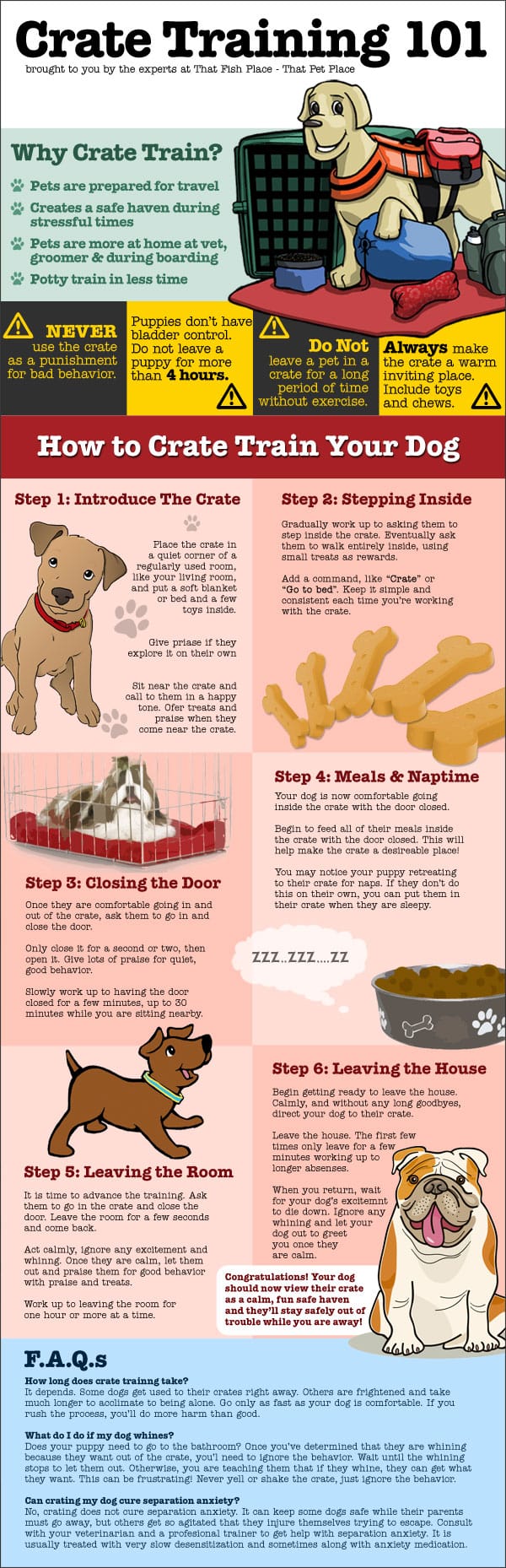
Leaving your dog home alone can be a source of anxiety for both you and your furry friend. However, teaching your dog to be comfortable while you’re away is a vital part of their overall training and well-being. This guide will provide you with practical steps to help your dog adjust to spending time by themselves.
Getting Started with Training
Dedicate approximately 10 minutes each day to practicing these training exercises. Remember that every dog is unique, so it’s essential to adapt the training pace to your dog’s individual reactions and comfort level. The most important rule is to never push your dog’s training to a point where it causes them distress.
Before you begin, gather some appealing toys and high-value treats to reward your dog for positive behavior. Creating a comfortable and safe space for your dog is also crucial. A cozy bed in an enclosed area, perhaps with some new blankets, can make being home alone a more pleasant experience. Don’t forget to offer plenty of praise, as dogs respond very well to positive reinforcement.
Step 1: Encourage Relaxation in Their Designated Space
Start by encouraging your dog to relax in their comfortable bed or designated safe space while you are still present in the same room. Reward them with treats and praise when they remain in their spot without whining or barking. This helps them associate their space with calmness and positive reinforcement.
Step 2: Gradually Increase Your Distance
Once your dog is comfortable staying in their spot while you’re nearby, begin to gradually move away. You can take a few steps back, move to a different part of the room, or even go into another room of the house. Continue to encourage them to stay put, and be sure to reward them for remaining quietly on their bed.
Step 3: Extend Distance and Duration
Continue this process, progressively increasing the distance you move away and the length of time you are out of their sight. The rate at which you increase these factors should be guided by your dog’s comfort level. If your dog shows signs of distress, such as moving from their spot or excessive vocalization, do not offer praise or reprimand them. Instead, simply return to the previous step where they felt more secure. This helps them understand the boundaries of the exercise without creating negative associations. For more advanced training techniques, consider exploring resources on how to train a puppy not to jump on people.
Step 4: Initial Short Absences
Now it’s time to try leaving your dog alone in the house for very short periods. Begin with no more than 5 minutes. After this short duration, return home. Greet your dog calmly, and perhaps offer a small treat or some attention. It’s important they understand that your departure is temporary and that you will always return. This brief absence helps build their confidence in your eventual return.
Step 5: Systematically Lengthen Absence Times
As your dog becomes more comfortable, gradually increase the duration of your absences. Increase the time incrementally (e.g., to 10 minutes, 15 minutes, 20 minutes, and so on). Each time you return, greet your dog warmly and offer rewards. After consistently practicing these steps, you should find that your dog can comfortably remain alone for longer periods, potentially up to an hour. If you’re facing challenges with your dog’s behavior when left alone, resources on how to stop a dog from jumping up on guests might offer supplementary insights.
The Importance of Consistency: The Cold Shoulder Approach
Throughout the training process, it’s crucial not to give in to your dog’s whining or anxious vocalizations. While you shouldn’t reprimand them, avoid petting them or offering reassurance like “it’s okay” when they are distressed. Doing so can inadvertently teach your dog that these behaviors will elicit a response from you, potentially worsening the issue. Instead, practice a calm departure and a calm return. By not rewarding the anxious behavior, you reinforce that remaining calm is the way to receive attention and affection. Understanding your dog’s cues is paramount; for instance, if your dog exhibits jumping behavior, how to teach a dog not to jump on visitors could be a relevant next step in their training.
Note: The advice provided in this post is intended for informational purposes and does not constitute medical advice regarding pets. For an accurate diagnosis of your pet’s condition, please make an appointment with your vet.
