
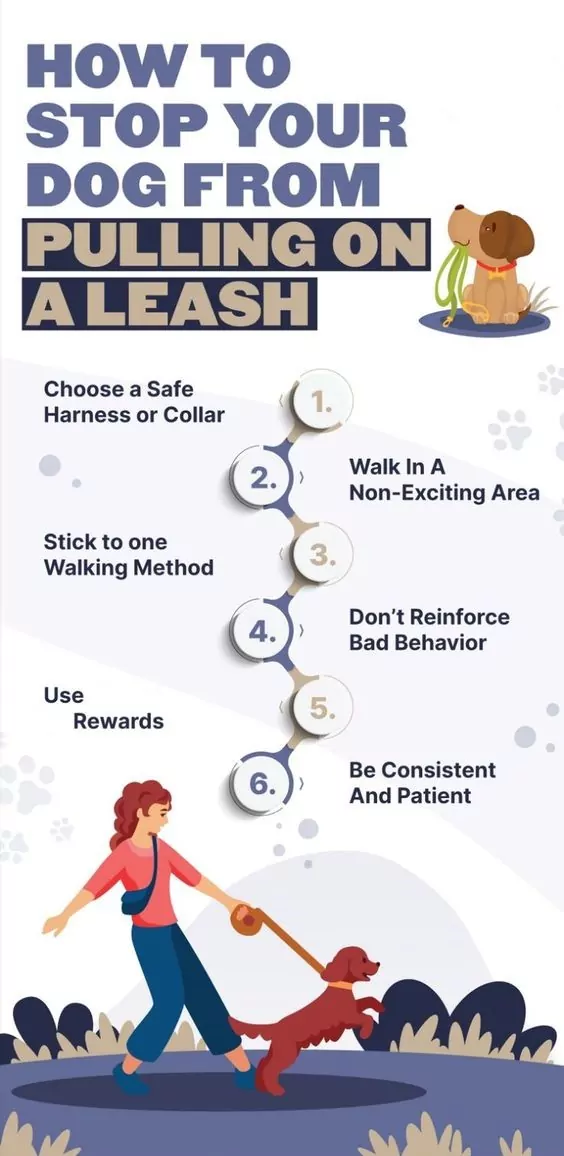
Welcome to the ultimate guide on how to train your dog not to pull on the leash! If you’re a dog owner, chances are you’ve experienced the frustration of being dragged down the street by an overly enthusiastic canine companion. Loose-leash walking isn’t just about a more enjoyable stroll; it’s a fundamental aspect of responsible dog ownership and a crucial part of your dog’s training journey. This comprehensive guide will walk you through the essential steps, effective techniques, and common pitfalls to help you achieve a harmonious walk with your furry friend. We’ll delve into the “why” behind the pulling, explore various training methods, and provide practical advice to ensure success.
Understanding Why Dogs Pull on Leash
Before we dive into the training techniques, it’s important to understand why your dog pulls. It’s rarely out of defiance; more often, it’s a combination of excitement, instinct, and a lack of clear communication.
Excitement and Forward Momentum
Dogs are naturally curious and eager to explore the world around them. When you’re out for a walk, they want to sniff that interesting bush, greet that passing dog, or simply get to their favorite park now. Their desire to move forward, coupled with the freedom a leash provides, can easily translate into pulling. This is especially true for younger dogs or breeds with high energy levels.
Lack of Training and Clear Cues
If a dog hasn’t been taught how to walk politely on a leash, they simply don’t know any better. They haven’t learned that pulling doesn’t achieve their desired outcome (getting to the exciting thing faster). In fact, if pulling has previously resulted in them getting to where they want to go, they’ve essentially been rewarded for pulling. Clear and consistent communication is key in any dog training, and loose-leash walking is no exception.
Breed Tendencies
Certain breeds were historically bred for tasks that involve pulling, such as sledding or carting. While this doesn’t mean they can’t learn to walk nicely, it might mean they have a stronger natural inclination to pull, requiring more patience and consistent training. Breeds like Huskies, Malamutes, and even some hounds might have a predisposition towards pulling.
Preparing for Success: The Right Gear
Before you even start training, ensure you have the right equipment. The gear you use can significantly impact your training success and your dog’s comfort.
Choosing the Right Leash
For training purposes, a standard 4-6 foot leash made of nylon or leather is generally recommended. Avoid retractable leashes, as they can teach dogs that pulling extends the leash, and they offer less control and can be dangerous. A fixed-length leash provides more consistent feedback and control.
Harnesses vs. Collars
This is a frequent debate among dog owners. Both have their pros and cons when it comes to leash training:
- Flat Collars: These are a traditional choice but can put pressure on a dog’s trachea if they pull hard. They are generally suitable for well-trained dogs or those who don’t pull excessively.
- Martingale Collars: These are designed to tighten slightly when the dog pulls, preventing them from backing out of the collar, but they don’t choke. They can be effective but require careful fitting.
- Front-Clip Harnesses: These harnesses have a leash attachment point on the dog’s chest. When the dog pulls, it gently turns them back towards you, redirecting their momentum and discouraging pulling. Many owners find these incredibly effective for dogs that pull heavily. To learn more about specific training needs, exploring resources on what to train your dog can be beneficial.
- Head Halters (e.g., Gentle Leader, Halti): These fit over a dog’s muzzle and behind their ears. They work by guiding the dog’s head, similar to how a horse is ridden. When the dog pulls, their head is gently turned, making it difficult for them to pull effectively. They require a period of acclimatization for the dog.
The best choice depends on your dog’s breed, size, temperament, and your personal preference. Always prioritize your dog’s comfort and safety.
Effective Training Techniques for Loose-Leash Walking
Now, let’s get to the core of it: how to actually teach your dog to walk without pulling. Consistency and positive reinforcement are your best friends here.
The “Stop-Start” Method
This is perhaps the most straightforward and effective technique for beginners.
- Start Walking: Begin walking with your dog.
- Leash Tightens? Stop! The moment you feel tension on the leash (your dog is pulling ahead), immediately stop walking. Stand still like a tree.
- Wait for Slack: Wait patiently. Your dog will likely look back at you, or take a step back to see why you’ve stopped. The instant the leash goes slack, even for a second, resume walking.
- Reward Slack: As you continue walking and the leash remains loose, offer praise and occasional small treats. This reinforces the desired behavior.
- Repeat: You’ll need to repeat this process many, many times. It might feel slow at first, but your dog will eventually learn that pulling stops the fun (walking), and a loose leash allows them to continue.
This method teaches your dog that they control the forward movement by keeping the leash loose. Understanding how to teach a dog to not pull involves consistently applying this principle.
The “Red Light, Green Light” Game
This is a variation of the stop-start method, framed as a fun game.
- Green Light: When the leash is loose, you walk forward, offering praise.
- Red Light: The second the leash tightens, you stop immediately. No movement forward.
- Release: As soon as the leash slackens, you start walking again.
The key is to make it clear that forward motion only happens when the leash is loose.
Rewarding Loose Leash Walking
Positive reinforcement is crucial. Don’t just correct pulling; actively reward the absence of pulling.
- Treats: Use high-value treats (small pieces of chicken, cheese, or commercial training treats) to reward your dog whenever the leash is loose. Deliver the treat while walking, right next to your leg.
- Praise: Lavish praise and happy tones when your dog is walking nicely beside you.
- Short Bursts: Start with short walks or training sessions in a quiet environment. Gradually increase the duration and introduce more distractions as your dog improves.
Changing Direction
Another effective technique is to change direction whenever your dog pulls.
- Leash Tightens? Turn Around! As soon as you feel tension, immediately turn 180 degrees and walk in the opposite direction.
- Encourage: Use a happy tone to encourage your dog to follow you.
- Reward: When they are walking beside you with a loose leash, offer praise and treats.
This method teaches your dog to pay attention to where you are going, rather than just forging ahead. It’s a dynamic way to keep them engaged and aware of your movements.
Practicing in Different Environments
A common mistake is only practicing loose-leash walking in a controlled environment, like your quiet backyard or living room. While these are great starting points, your dog needs to generalize the skill to real-world situations.
Gradual Exposure to Distractions
- Quiet Street: Start in a low-traffic area with minimal distractions.
- Slightly Busier Street: Once successful, move to a street with occasional passersby or cars.
- Parks or Areas with Other Dogs: These are high-distraction zones. You might need to revert to simpler techniques or use higher-value rewards in these situations. Be prepared to stop and restart frequently.
Remember that your dog is learning a complex behavior, and it’s normal for them to struggle more when faced with exciting new sights, sounds, and smells. If your dog is consistently struggling, you might need to break down the training further or seek help from a professional trainer. Exploring resources on training dog not to pull on leash can offer additional strategies.
Troubleshooting Common Leash Pulling Issues
Even with consistent training, you might encounter some common hurdles.
My Dog Still Pulls When Excited
- Problem: The excitement of seeing another dog, a squirrel, or a favorite person triggers pulling.
- Solution: Practice “red light, green light” or the stop-start method before your dog gets overly excited. If you see a trigger approaching, preemptively stop walking or change direction. Reward heavily for calm behavior near the trigger, not just for a loose leash. Gradually increase proximity to triggers.
My Dog Pulls When We Get Close to Home
- Problem: Your dog knows they’re almost home and wants to get inside now.
- Solution: Treat your home entrance like any other part of the walk. If they pull, stop. Only open the door and let them inside when the leash is loose. This reinforces that pulling doesn’t speed up entry.
My Dog Is Too Strong to Control
- Problem: You have a large, strong dog, and you’re concerned about your ability to physically manage them.
- Solution: Prioritize safety. Consider using a front-clip harness or a head halter. Focus intensely on the “stop-start” or “change direction” methods, rewarding any moment of slack. If you feel unsafe or overwhelmed, consult a certified professional dog trainer who can provide hands-on guidance and recommend appropriate tools. The process of how to teach my dog not to pull can be a team effort with a professional.
My Dog Seems Uninterested in Treats
- Problem: Your dog isn’t motivated by the treats you’re offering.
- Solution: Experiment with different high-value rewards. This could be tiny pieces of cooked chicken, hot dogs, cheese, or even a favorite squeaky toy offered for brief moments of good walking. Sometimes, the best reward is simply continuing the walk or getting to sniff a particularly interesting spot.
The Importance of Patience and Consistency
Training a dog to walk nicely on a leash is a marathon, not a sprint. There will be good days and challenging days. The most critical factors for success are:
- Patience: Understand that your dog is learning. Avoid frustration, as this can transfer to your dog and hinder progress.
- Consistency: Everyone who walks the dog must use the same rules and techniques. If one person allows pulling and another corrects it, your dog will become confused.
- Positive Reinforcement: Focus on rewarding the behavior you want to see, rather than solely punishing the behavior you don’t.
Conclusion: Enjoying Walks Together
Loose-leash walking is a cornerstone of a well-behaved canine companion and a harmonious relationship between you and your dog. By understanding the reasons behind pulling, choosing the right equipment, employing consistent and positive training methods, and practicing in various environments, you can transform frustrating walks into enjoyable bonding experiences. Remember that every dog learns at their own pace, so celebrate the small victories and stay dedicated to the process. With time, patience, and the right approach, you and your dog can master the art of the peaceful walk, strengthening your connection with every step. Happy training!
