
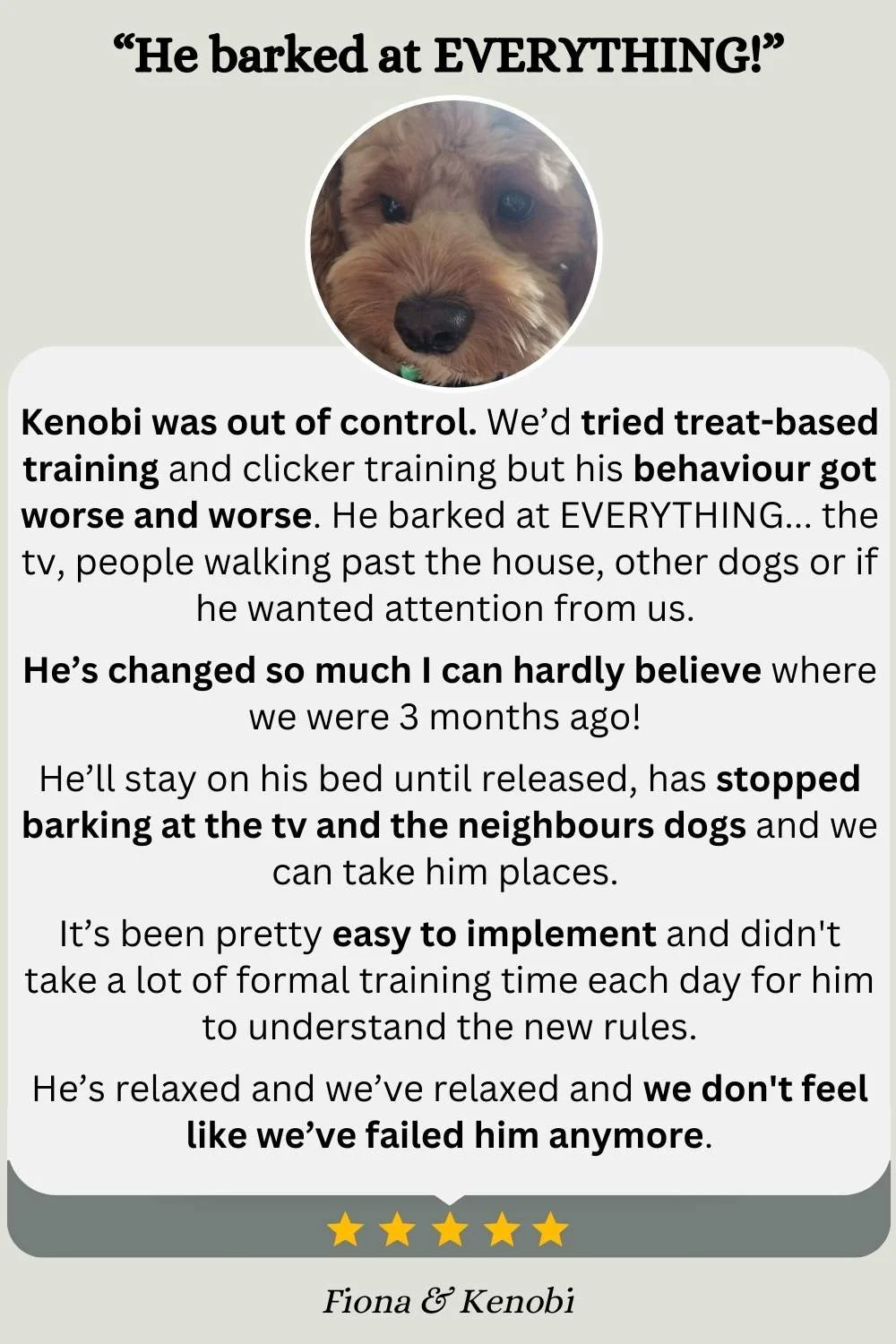
Welcome to the world of canine companionship, where barks are as much a part of the experience as wagging tails and wet-nosed greetings. But what happens when those barks become overwhelming, disrupting your peace and your neighbors’ too? Understanding why dogs bark is the first step to effectively Training Your Dog Not To Bark excessively. It’s not about silencing them completely – that would be unnatural! – but about managing their vocalizations so they communicate when necessary, not constantly. This guide will delve into the reasons behind barking and provide actionable strategies to help you achieve a calmer, quieter home.
Understanding Why Dogs Bark
Before we dive into solutions, let’s explore the common reasons behind a dog’s vocal outbursts. Each bark is a form of communication, a way for your furry friend to express something they’re experiencing. Recognizing the trigger is key to addressing the behavior.
Territorial or Protective Barking
This is perhaps the most common type of barking. Dogs are naturally territorial and will bark to alert you to perceived intruders or anything they deem out of the ordinary in their environment. This can include people walking by, other animals, or even unusual sounds.
Alarm or Fear Barking
Similar to territorial barking, this type is triggered by something that startles or frightens the dog. It could be a loud noise, a strange object, or an unfamiliar person. The bark serves as an alert to you and a way to express their fear.
Boredom or Attention-Seeking Barking
When dogs are left alone for long periods, lack sufficient physical or mental stimulation, they can develop boredom barking. They might also bark to get your attention if they feel neglected or want something, like food or playtime.
Greeting or Excitement Barking
Many dogs bark when greeting people or other dogs, as a way to express their excitement and enthusiasm. This is usually accompanied by wagging tails and playful body language.
Compulsive Barking
In some cases, barking can become a compulsive habit, often stemming from underlying anxiety or behavioral issues. This type of barking may not have an obvious trigger and can be difficult to manage without professional help.
Separation Anxiety Barking
Dogs suffering from separation anxiety often bark, howl, or cry when left alone. This is usually accompanied by other distress signals like pacing, destruction, or house soiling.
Strategies for Training Your Dog Not to Bark
Once you’ve identified the reason behind your dog’s barking, you can implement targeted training methods. Consistency and patience are crucial throughout this process.
Desensitization and Counter-Conditioning
This technique is particularly effective for alarm, fear, and territorial barking. The goal is to change your dog’s emotional response to the trigger.
- Identify the trigger: What sets your dog off? Is it the mail carrier, the doorbell, or other dogs on a walk?
- Control the exposure: Start by exposing your dog to the trigger at a low intensity, where they don’t react. This might mean observing the mail carrier from a distance or having someone ring the doorbell very softly.
- Counter-condition: As soon as your dog notices the trigger without barking, reward them with a high-value treat and praise. For example, if they see the mail carrier but remain quiet, give them a piece of chicken.
- Gradually increase intensity: Over time, slowly increase the intensity of the trigger. Move closer to the mail carrier, ring the doorbell louder, or have more people walk by. Always reward quiet behavior. If your dog barks, you’ve moved too quickly; reduce the intensity and try again.
This process helps your dog associate the trigger with positive experiences rather than fear or anxiety.
Managing Boredom and Attention-Seeking Barking
Addressing these types of barking involves meeting your dog’s needs for stimulation and ensuring they understand appropriate ways to get attention.
- Provide adequate exercise: Ensure your dog gets enough physical activity daily. A tired dog is a quiet dog. Tailor the amount and type of exercise to your dog’s breed, age, and energy level. For instance, a border collie needs far more stimulation than a bulldog.
- Mental stimulation: Engage your dog’s mind with puzzle toys, training sessions, or scent games. Rotating toys can also help keep them interested.
- Ignore attention-seeking barking: If your dog barks for attention, do not reward them by looking at them, talking to them, or touching them. Wait for a moment of silence, then calmly give them the attention they desire. This teaches them that quietness is the way to get what they want.
- Teach an “interrupter” cue: A cue like “Quiet” or “Enough” can be useful. When your dog barks, say the cue in a firm but calm voice. When they pause, even for a second, reward them.
Dealing with Greeting and Excitement Barking
This type of barking is often a sign of an overly enthusiastic greeting. The aim is to teach your dog to remain calm when greeting.
- Practice calm greetings: When guests arrive, have them ignore your dog until the dog is calm. Once your dog is quiet and sitting, they can be greeted. You can even practice this by having friends come and go repeatedly.
- Reward calm behavior: Any time your dog greets someone calmly, reward them with praise and a small treat.
- Teach a “go to place” cue: Train your dog to go to their mat or bed when guests arrive. This gives them a specific job to do and a place to focus on.
Addressing Separation Anxiety Barking
Separation anxiety is a serious issue that often requires professional guidance. However, some strategies can help manage the barking.
- Create a safe space: Ensure your dog has a comfortable and secure den-like space to retreat to when you’re away.
- Gradual departures: Start by leaving your dog for very short periods, gradually increasing the duration as they become more comfortable.
- Don’t make departures or arrivals a big deal: Avoid overly emotional goodbyes or hellos, as this can heighten your dog’s anxiety.
- Consider professional help: If separation anxiety is severe, consult a certified professional dog trainer or a veterinary behaviorist. They can provide a tailored plan, which may include behavior modification techniques and, in some cases, medication. For those looking for specialized assistance, resources for medical alert dog training near me or understanding washington state service dog training principles might offer transferable insights into focused training.
Managing Compulsive Barking
Compulsive barking, like other compulsive behaviors, often stems from deeper issues. It’s important to work with a professional to address the root cause.
- Consult a veterinarian or behaviorist: Rule out any underlying medical conditions that might be contributing to the barking.
- Implement a behavior modification plan: This will likely involve a combination of desensitization, counter-conditioning, and potentially medication, all under the guidance of a professional.
General Tips for Effective Barking Control
Beyond specific techniques, these general tips will support your training efforts and contribute to a quieter, happier home for both you and your dog.
- Consistency is key: Ensure everyone in the household follows the same rules and training methods. Inconsistency can confuse your dog and hinder progress.
- Positive reinforcement: Focus on rewarding desired behaviors rather than punishing unwanted ones. Positive reinforcement builds trust and strengthens your bond with your dog.
- Early socialization: Exposing puppies to various sights, sounds, people, and other animals from a young age can help prevent fear and territorial barking later in life. Exploring options like mutt island dog daycare grooming extended stay & training can be beneficial for early socialization.
- Provide proper outlets: Ensure your dog has appropriate toys and activities to keep them occupied, especially when you can’t directly supervise them.
- Don’t yell: Yelling at your dog to stop barking can inadvertently encourage them, as they may interpret it as you barking along with them.
When to Seek Professional Help
While many barking issues can be managed with diligent training at home, some situations warrant professional intervention. If you’re struggling to identify the cause of barking, if the barking is excessive and disruptive, or if you suspect an underlying anxiety or compulsive disorder, don’t hesitate to reach out for expert assistance. A qualified trainer specializing in behavior modification, or a veterinary behaviorist, can provide invaluable support. Whether you’re in austin texas dog training areas or elsewhere, seeking professional guidance is a sign of responsible pet ownership. Services like those offered by ridgeside k9 eastern carolina dog training demonstrate the availability of specialized training for various needs.
Conclusion
Training your dog not to bark is a journey that requires understanding, patience, and a consistent approach. By recognizing the reasons behind their vocalizations and employing the right strategies, you can help your canine companion communicate more appropriately. Remember, the goal isn’t to eliminate barking entirely but to manage it effectively, fostering a harmonious living environment for everyone. Embracing the “Dog Care Story” means appreciating every aspect of our dogs’ lives, including their communication, and guiding them towards well-balanced behavior.
