
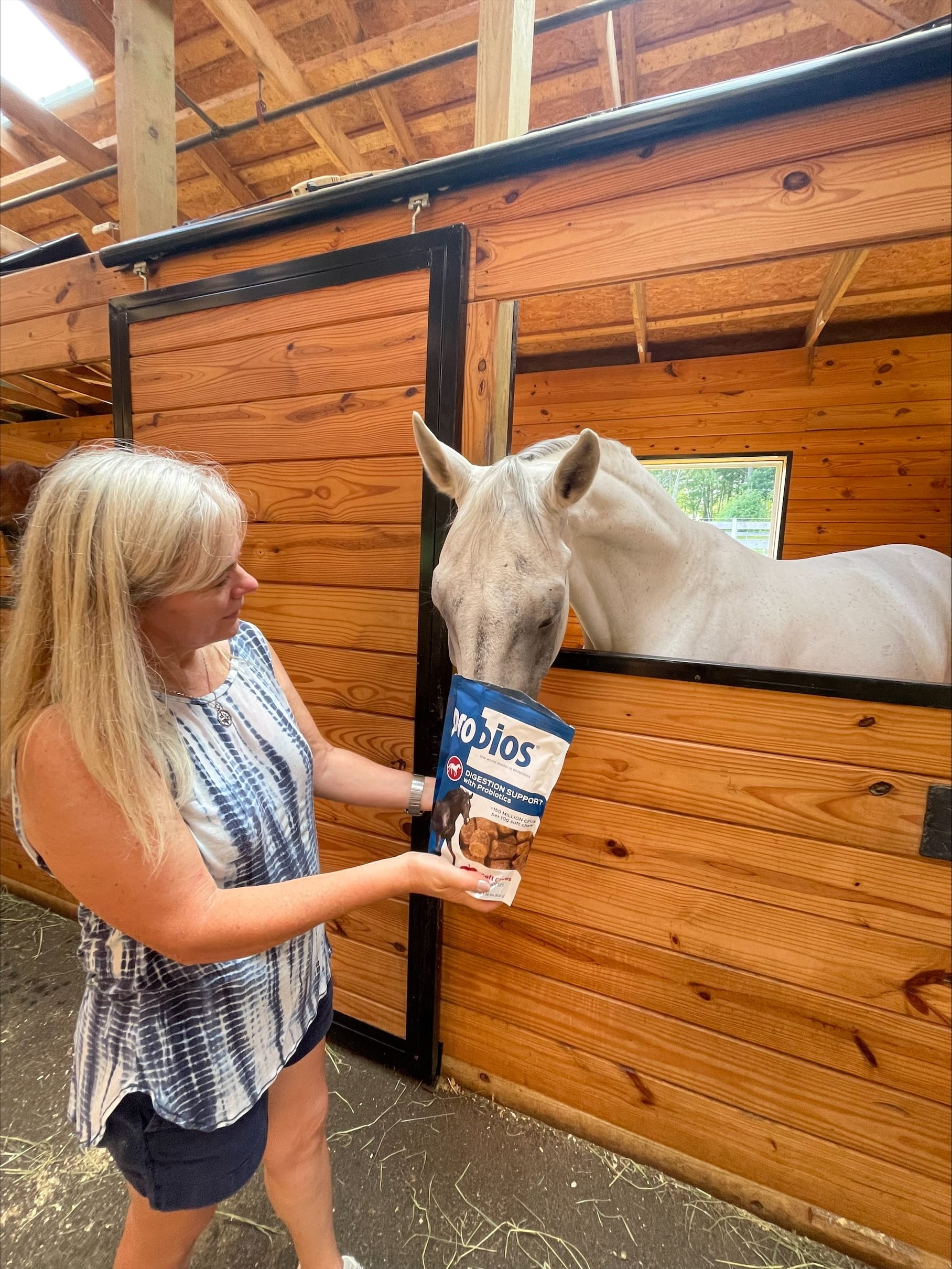
Training a horse is a partnership built on trust, clear communication, and positive reinforcement. While praise and a good grooming session are valuable, sometimes a little something extra can make all the difference. That’s where training treats come in. But not all treats are created equal, and choosing the right ones can significantly impact your horse’s motivation and learning. If you’re searching for the best Training Treats For Horses, you’ve come to the right place. We’ll explore what makes a treat effective, discuss different types, and help you select the perfect rewards to boost your training sessions.
The effectiveness of any training treat hinges on a few key factors. Horses, like any animal, are motivated by what they enjoy and what they perceive as a valuable reward. Understanding this is the first step in successful positive reinforcement training.
What Makes a Great Horse Training Treat?
When selecting treats for your equine partner, keep these qualities in mind:
- Palatability: This is paramount. The treat needs to be something your horse genuinely loves. A treat your horse devours eagerly will be a much stronger motivator than one they’re lukewarm about.
- Size and Portability: Treats should be small and easy to deliver with one hand, allowing you to maintain control of the horse. They should also be easy to carry in your pocket or a treat pouch without crumbling into a mess.
- Nutritional Value: While treats are supplementary, they shouldn’t be empty calories. Opt for treats made with wholesome ingredients. Avoid treats high in sugar or artificial additives, which can lead to health issues or behavioral problems.
- Safety: Ensure the treats are safe for equine consumption. Avoid anything with ingredients that could be toxic to horses.
- Ease of Use: A treat that can be given whole or easily broken into smaller pieces is ideal. This allows for more frequent positive reinforcement during a training session.
Popular Types of Horse Training Treats
The market offers a variety of treat options, each with its own pros and cons. Considering these can help you narrow down your choices.
Commercial Horse Treats
These are readily available at most feed stores and online retailers. They come in various flavors and formulations, often designed specifically for training.
- Pros: Convenient, consistent quality, often fortified with vitamins and minerals, wide variety of flavors to test your horse’s preference.
- Cons: Can be higher in sugar or artificial ingredients depending on the brand, cost can add up over time.
- Examples: Brands like Farnam, Manna Pro, and Equi-Spot offer various training treat lines. Look for options that emphasize natural ingredients and controlled sugar content.
Homemade Horse Treats
Making your own treats allows you complete control over the ingredients, ensuring they are healthy and tailored to your horse’s taste. Many simple recipes exist online.
- Pros: Cost-effective, you control all ingredients (great for horses with sensitivities), can be made in bulk and stored, satisfying to make yourself.
- Cons: Requires time and effort, shelf life might be shorter than commercial options, need to research safe ingredients.
- Common Ingredients: Oats, molasses (in moderation), apples, carrots, flaxseed, and bran are popular bases. Always research safe quantities and combinations.
Natural, Whole Food Rewards
Sometimes, the simplest rewards are the most effective and healthiest. Many natural foods horses enjoy can serve as excellent training treats.
- Fruits: Small pieces of apples, bananas, carrots, and watermelon are often big hits. Ensure you remove seeds from apples and cut larger fruits into bite-sized pieces.
- Vegetables: Carrots and small pieces of cucumber or zucchini are great options.
- Grains: A small handful of plain oats can also be a highly motivating reward.
- Pros: Incredibly healthy, readily available, cost-effective, horses often love them.
- Cons: Can be messy, may require preparation (cutting), need to be careful about quantity to avoid upsetting the horse’s diet, some horses may have sensitivities to certain fruits.
Selecting the Best Treat for Your Horse
Every horse is an individual, and what one horse finds irresistible, another might ignore. Here’s how to find the perfect treat for your equine partner:
- Test Preferences: Offer a small variety of safe treats (e.g., a piece of apple, a commercial treat, a carrot slice) and see which one your horse shows the most enthusiasm for.
- Consider Training Goals: For long training sessions where frequent rewards are needed, you might opt for smaller, lower-calorie treats. For a significant breakthrough or a difficult task, a slightly more “high-value” treat might be appropriate.
- Watch for Dietary Sensitivities: If your horse has a history of allergies or digestive issues, stick to very simple, natural ingredients or consult your veterinarian before introducing new treats. Molasses, for instance, is high in sugar and should be used sparingly.
- Portion Control is Key: Even healthy treats should be given in moderation. Too many treats can lead to weight gain, dietary imbalances, or a horse that becomes overly focused on treats rather than the training itself. A general rule is that treats should not make up more than 10% of a horse’s total daily diet.
Beyond Treats: Enhancing Positive Reinforcement
While treats are a powerful tool, remember they are just one part of effective positive reinforcement.
- Timing is Crucial: Deliver the treat immediately after the desired behavior occurs. This helps your horse understand exactly what they are being rewarded for.
- Vary Your Rewards: Don’t rely solely on treats. Mix in verbal praise (“Good boy!”), a scratch in their favorite spot, or a brief moment of rest. This keeps training engaging and prevents your horse from becoming fixated only on food.
- End on a Positive Note: Always try to end your training sessions with a successful exercise and a reward, leaving your horse feeling good about the experience.
- Consider a Treat Ball: For a fun, intermittent reward, a treat ball can be used as a reward after a successful exercise. Your horse nudges it, and a few treats fall out. This adds an element of play and surprise.
When it comes to horse training tips and techniques, incorporating the right treats can transform your sessions. By understanding your horse’s preferences and choosing healthy, palatable rewards, you can strengthen your bond and accelerate your training progress. Remember that consistency, patience, and clear communication are the cornerstones of successful horse training and trailer lego, with treats serving as a valuable, motivating aid. For those dealing with spooky horse training, a well-timed treat can be a fantastic tool for building confidence and positive associations.
Ultimately, the best training treat for your horse is one that they love, that is safe and healthy, and that you can deliver consistently and at the right moment. Experiment, observe your horse’s reactions, and find the perfect rewards to make your horses training journey even more enjoyable and effective. Whether you opt for store-bought delights or simple, natural options, remember that the relationship you build is the greatest reward of all. For specialized training like miniature horse driving training, adapting your treat strategy to the specific needs and attention span of the horse is key.
