
Are you looking to enhance your dog’s training sessions and strengthen your bond? One of the most effective tools in any dog owner’s arsenal is the right training treat. But with so many options available, how do you choose the best ones for your furry friend? This comprehensive guide delves into the world of training treats, helping you understand what makes a good treat, how to use them effectively, and what to look for when making your selections. Whether you’re teaching basic obedience or advanced tricks, the right treats can make all the difference.
The Science Behind Training Treats: Why They Work
Training treats are more than just a tasty reward; they’re a powerful communication tool. At their core, these treats leverage the principles of positive reinforcement, a cornerstone of effective dog training. When a dog performs a desired behavior, offering a treat immediately afterward creates a positive association. This helps the dog understand which actions lead to rewards, encouraging them to repeat those behaviors.
- Positive Reinforcement: This method involves adding something desirable (like a treat) after a behavior to increase the likelihood of that behavior occurring again. Dogs are highly motivated by food, making treats an excellent reinforcer.
- Association: Dogs learn to associate the treat with the specific action they performed. This association is strengthened when the treat is delivered promptly after the behavior.
- Motivation: High-value treats can significantly boost a dog’s motivation to learn and perform, especially in distracting environments or when tackling more challenging tasks.
What Makes a Great Training Treat?
Not all treats are created equal, especially when it comes to training. The ideal training treat should possess several key characteristics:
1. Size and Calorie Content
Training treats should be small – no larger than your pinky fingernail. This is crucial because you’ll be dispensing many treats during a training session. Large or high-calorie treats can lead to unwanted weight gain and may even cause your dog to lose interest if they become too full. Opt for treats that are low in calories, typically 1-3 calories per treat.
2. Palatability and Arousal
The treat needs to be appealing enough to capture your dog’s attention and motivate them to work. However, it shouldn’t be so exciting that it causes your dog to become overly aroused, making it difficult for them to focus. A good balance is key. Some dogs are highly food-motivated by simple, healthy options, while others require something a bit more enticing.
3. Texture and Chew Time
For training purposes, treats should be soft and quick to chew. This allows your dog to ingest them quickly and return their focus to you, rather than getting engrossed in a long chewing session. Hard biscuits or jerky treats might be great for a long-lasting reward, but they’re not ideal for rapid reinforcement during active training.
4. Ingredients
Look for treats with simple, recognizable ingredients. High-quality protein sources like chicken, beef, lamb, or fish should be among the first ingredients. Avoid treats with excessive fillers, artificial colors, flavors, or preservatives, which offer little nutritional value and can sometimes cause digestive upset.
Types of Training Treats
The world of training treats is vast, offering various options to suit different dogs and training needs. Understanding these types can help you make informed choices:
1. Commercial Training Treats
These are readily available at pet stores and online. They come in a wide range of flavors, sizes, and formulations. Many brands offer specifically “training” treats that are small, soft, and low-calorie.
 Close-up of various small, colorful commercial training treats for dogs, arranged attractively on a wooden surface
- Pros: Convenient, widely available, often formulated for training.
- Cons: Ingredient quality can vary significantly; some may contain undesirable additives. Always check the label.
2. High-Value Treats
These are exceptionally tasty and motivating treats reserved for situations requiring extra focus or when teaching complex behaviors. Think small pieces of cooked chicken, cheese, hot dogs, or commercially available “super treats.”
- Pros: Highly effective for motivation, excellent for challenging training scenarios.
- Cons: Often higher in calories and fat; should be used sparingly and factored into your dog’s daily food intake.
3. DIY or Homemade Treats
Making your own training treats allows you complete control over the ingredients. Simple recipes often involve combining a protein source (like cooked chicken or peanut butter) with a binder (like oats or flour) and baking them into small pieces.
- Pros: You control ingredients, can cater to specific dietary needs or allergies, often cost-effective.
- Cons: Requires time and effort to prepare; shelf life may be shorter than commercial treats. Ensure any ingredients used are safe for dogs – for instance, always use xylitol-free peanut butter.
4. Freeze-Dried Treats
These treats are made from high-quality meats or other ingredients that have been freeze-dried to preserve nutrients and flavor. They are typically lightweight, easy to break into smaller pieces, and highly palatable.
- Pros: Excellent ingredient quality, retain natural flavors and nutrients, good for sensitive stomachs.
- Cons: Can be more expensive than other treat options.
How to Use Training Treats Effectively
Simply handing out treats isn’t enough. Strategic use is key to successful training.
1. Timing is Everything
Deliver the treat immediately after the desired behavior occurs. This ensures your dog clearly understands what action earned the reward. A delay of even a few seconds can cause confusion. If you’re marking the behavior with a clicker or a verbal marker (like “yes!”), deliver the treat right after the marker. This is a fundamental aspect of basic obedience dog training.
2. Treat Value Hierarchy
Not all training situations require the same level of reward. Establish a hierarchy of treat values:
- Low Value: Standard kibble or small, everyday commercial treats. Use these for simple, known behaviors in low-distraction environments.
- Medium Value: Slightly more appealing commercial treats or small pieces of safe human food (like cooked chicken bits). Use these for practicing known behaviors in slightly more distracting settings.
- High Value: The “super treats” – premium commercial treats, cheese, or meat. Reserve these for challenging new behaviors, high-distraction environments, or when your dog is struggling.
3. Fading Treats
As your dog becomes proficient with a behavior, you’ll want to fade the constant treat reinforcement. Start by rewarding intermittently – sometimes with a treat, sometimes with praise or a favorite toy. Eventually, you can move towards a variable reinforcement schedule, where treats are given randomly, which actually makes the behavior more resilient. This approach is part of progressive training, similar to what you might find in dog sports training near me.
4. Incorporate into Daily Routine
You don’t need a formal training session to use treats. Integrate them into everyday interactions. Ask for a “sit” before meals, reward calm behavior when guests arrive, or practice recalls when you’re out for a walk. This keeps your dog engaged and reinforces good habits in real-world contexts.
Common Pitfalls to Avoid
Even with the best intentions, some common mistakes can hinder your training efforts:
- Overfeeding: Treating your dog too much can lead to obesity and other health issues. Always account for treats in your dog’s total daily caloric intake. If you’re using many treats, consider reducing their regular meal portions accordingly.
- Using the Wrong Treats: Using a low-value treat for a difficult task or in a highly distracting environment will likely yield poor results. Conversely, always using high-value treats can make your dog reliant on them and less responsive to praise or other rewards.
- Treating Undesired Behavior: Be mindful not to inadvertently reward behaviors you don’t want. For example, don’t give a treat to a dog who is jumping on you, even if you intend to eventually reward them for sitting. Wait for the desired behavior.
- Inconsistent Use: Irregular use of treats can confuse your dog and slow down the learning process. Consistency in when and how you reward is crucial. This is a core principle in alpha basic training for dogs and humans.
Special Considerations: Allergies and Sensitivities
Many dogs suffer from food allergies or sensitivities. If your dog has known issues, selecting training treats requires extra care.
- Identify the Allergen: Work with your veterinarian to pinpoint any ingredients your dog is sensitive to. Common allergens include chicken, beef, dairy, wheat, and soy.
- Hypoallergenic Treats: Look for treats specifically labeled as hypoallergenic. These are often made with novel protein sources (like duck, venison, or fish) and limited ingredients.
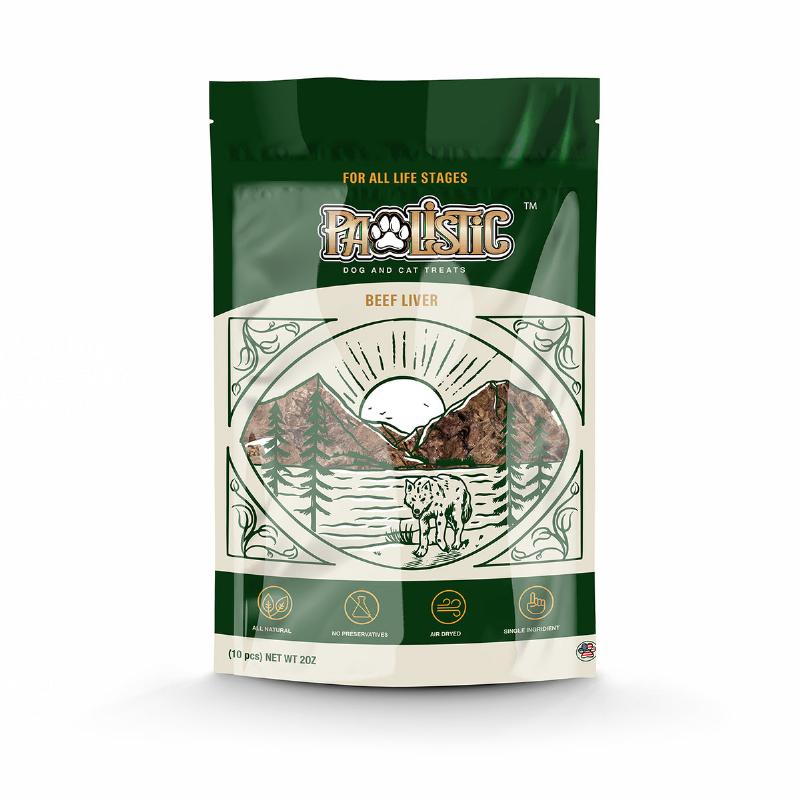
- Single-Ingredient Treats: Treats made from a single ingredient, like pure freeze-dried salmon or liver, are excellent options for dogs with multiple sensitivities.
- Read Labels Carefully: Always scrutinize ingredient lists, even on treats that seem appropriate. Cross-contamination can occur.
Conclusion: The Power of a Well-Chosen Treat
Training treats are an indispensable part of fostering a well-behaved and happy canine companion. By understanding the principles of positive reinforcement, choosing treats that are appropriately sized, palatable, and made from quality ingredients, and using them strategically, you can significantly enhance your training outcomes. Remember to tailor your treat selection to your dog’s individual needs, preferences, and any dietary restrictions. Whether you opt for commercial, homemade, or specialized options, the right training treats, used consistently and thoughtfully, will undoubtedly strengthen your communication and deepen the bond you share with your dog. Happy training, and happy treating!
