
Training your dog is a rewarding experience, strengthening your bond and ensuring your canine companion is well-behaved. At the heart of effective dog training lies positive reinforcement, and what better way to reinforce good behavior than with delicious and motivating training treats? This guide delves into the world of Training Treats For Dogs, exploring what makes them effective, how to choose the right ones, and how to use them to build a better relationship with your furry friend. We’ll cover everything from the foundational aspects of treat-based training to more specific considerations like healthy training treats for dogs homemade and options for dogs with sensitive stomachs.
The Power of Positive Reinforcement in Dog Training
Positive reinforcement is a cornerstone of modern dog training. It involves rewarding a desired behavior to increase the likelihood of that behavior happening again. For dogs, treats are often the most powerful and immediate reward. When a dog performs a requested action, like sitting on command, offering a tasty treat paired with praise can make the association incredibly strong. This method not only motivates the dog but also makes training a fun and engaging activity for both of you.
Why Training Treats Matter
Unlike regular meals, training treats are designed to be small, highly palatable, and easily digestible. This allows you to offer them frequently during training sessions without overfeeding your dog or filling them up. Their concentrated value serves as a clear signal to your dog: “You did great, and here’s a special reward!”
Choosing the Best Training Treats for Your Dog
With a plethora of options available, selecting the right training treats can seem daunting. However, focusing on a few key factors will help you make informed decisions.
Size and Portability
Training treats should be small – about the size of a pea or a small kibble. This allows for many repetitions during a training session without contributing significantly to your dog’s daily calorie intake. They should also be easy to carry, either in a treat pouch or your pocket, without becoming a greasy mess. Many brands offer specialized treat pouches for this very purpose.
Palatability and Ingredient Quality
Dogs, like humans, have preferences. What one dog finds irresistible, another might turn its nose up at. Generally, higher-value treats – those with a strong smell and taste, often meat-based – are more motivating for complex training or for dogs easily distracted.
When considering ingredients, look for natural, wholesome components. High-quality protein sources (like chicken, beef, lamb, or fish) should be among the first ingredients. Avoid treats with excessive fillers, artificial colors, flavors, or preservatives, especially if your dog has sensitivities. For those seeking natural training treats for dogs, exploring options with limited, recognizable ingredients is key.
Special Considerations: Sensitive Stomachs and Allergies
Some dogs have delicate digestive systems or allergies that require a more tailored approach to treat selection. For dogs with sensitive stomachs, opt for treats with simple, easily digestible ingredients like sweet potato, limited proteins, or novel proteins (like duck or venison) if chicken or beef are problematic. There are excellent best training treats for dogs with sensitive stomachs options available that cater specifically to these needs. Always consult with your veterinarian if you suspect your dog has allergies or a sensitive stomach.
Homemade Training Treats: A Healthy and Rewarding Option
For ultimate control over ingredients and a personal touch, consider making your own healthy training treats for dogs homemade. This allows you to tailor the treats to your dog’s specific dietary needs and preferences.
Simple Homemade Treat Recipes
1. Peanut Butter & Oats Bites:
- Ingredients: 1 cup rolled oats, 1/2 cup natural peanut butter (xylitol-free), 1/4 cup unsweetened applesauce, 1 egg.
- Instructions: Preheat oven to 350°F (175°C). Mix all ingredients until well combined. Roll into small balls and flatten slightly. Bake for 15-20 minutes, or until firm. Let cool completely before serving. Store in an airtight container in the refrigerator.
2. Chicken or Sweet Potato Training Morsels:
- Ingredients: 1 cup cooked, unseasoned chicken (finely chopped) OR 1 cup cooked and mashed sweet potato, 1/2 cup whole wheat flour (or oat flour for grain-free), 1 egg.
- Instructions: Preheat oven to 350°F (175°C). Combine ingredients to form a dough. Roll out thinly and cut into small shapes or simply pinch off tiny pieces. Bake for 10-15 minutes, until firm and slightly golden. Cool completely.
Making your own treats ensures you know exactly what your dog is consuming, making them a fantastic choice for health-conscious owners.
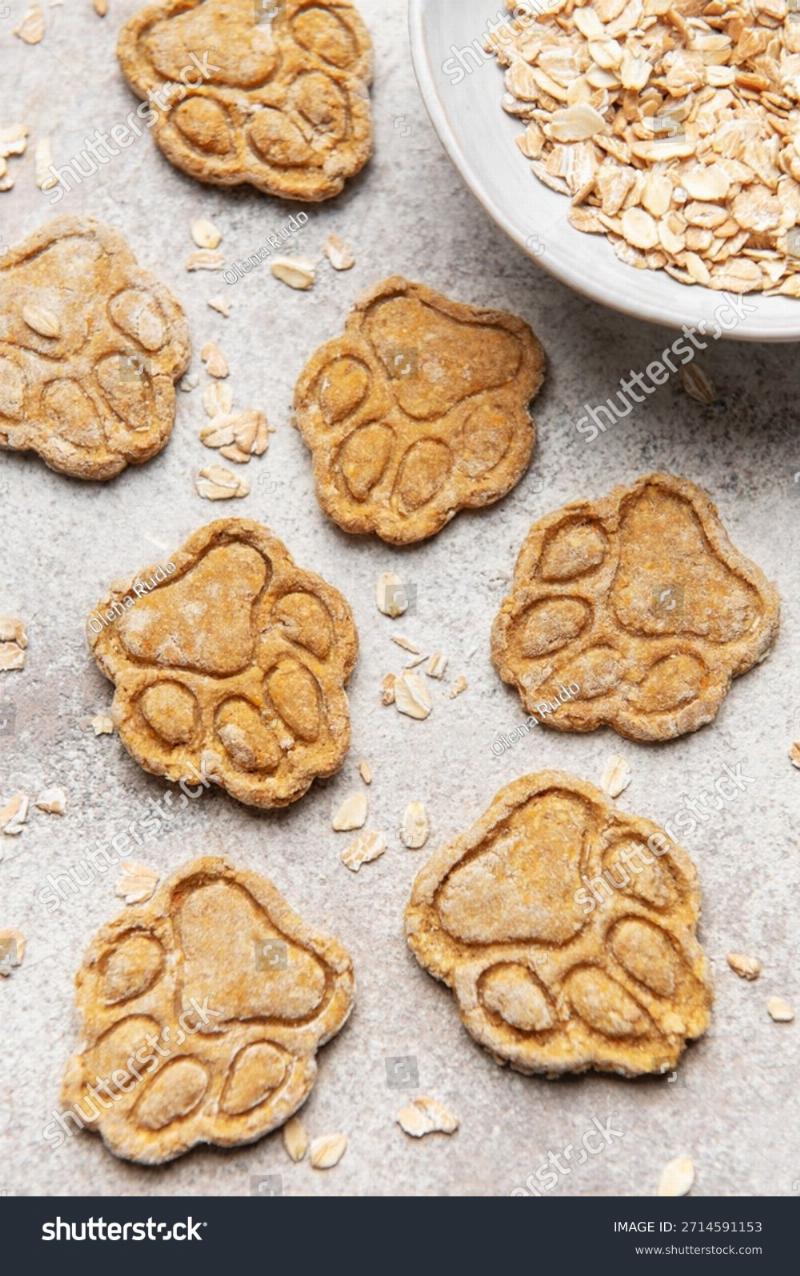 Close-up of homemade dog training treats, some shaped like small bones, on a rustic wooden surface.
Effective Use of Training Treats
Simply having the best training treats isn’t enough; how you use them is crucial for success.
Timing is Everything
The treat should be delivered immediately after the desired behavior occurs. This ensures your dog clearly associates the action with the reward. If you wait too long, your dog might associate the treat with whatever they were doing after the desired behavior.
Value of the Treat
Not all treats are created equal in a dog’s eyes. For basic obedience, everyday kibble or less exciting treats might suffice. However, for teaching new, complex behaviors, overcoming distractions, or training a particularly food-motivated dog, you’ll need higher-value treats. These are often smaller, smellier, and tastier than regular treats. You can experiment with different types of training treats for dogs to see what motivates your dog the most.
Using Treats for Different Training Goals
- Basic Obedience (Sit, Stay, Come): Small, easily consumed treats work well. Practice in low-distraction environments first.
- Advanced Training & Tricks: Higher-value treats are often necessary to capture attention and maintain motivation for more challenging tasks.
- Leash Training: Reward walking nicely by your side or loose-leash walking.
- House Training: Immediate praise and a small treat upon successful elimination outdoors.
Bulk Training Treats for Dogs: Stocking Up
For dedicated trainers or owners of multiple dogs, buying bulk training treats for dogs can be a cost-effective solution. Purchasing larger quantities often reduces the per-unit cost. When buying in bulk, ensure you have a suitable storage solution to maintain freshness. Airtight containers, kept in a cool, dark place, are ideal. If you make your own treats, buying ingredients in bulk is also a smart way to save money.
When to Phase Out Treats
While treats are a powerful training tool, the goal is not to have your dog perform behaviors only when a treat is present. As your dog becomes more proficient, you should gradually phase out treats.
- Intermittent Reinforcement: Once a behavior is well-learned, start rewarding intermittently. Sometimes offer a treat, other times offer praise, a favorite toy, or simply a good petting session. This keeps the behavior strong without the dog becoming reliant on constant treats.
- Real-World Rewards: In many situations, the reward becomes the activity itself – the joy of playing fetch, a good walk, or the satisfaction of a job well done.
Common Pitfalls to Avoid
- Overfeeding: Always factor training treats into your dog’s total daily food intake to prevent weight gain.
- Using Meal Kibble Exclusively: While possible, kibble may not be motivating enough for all dogs or for challenging training.
- Inconsistent Delivery: Irregular treat delivery can confuse your dog.
- Treating Undesired Behavior: Be mindful not to accidentally reward the wrong action.
Conclusion: The Sweet Reward of Training
Training treats are more than just rewards; they are bridges that help us communicate with our dogs, build trust, and create well-mannered companions. By understanding the principles of positive reinforcement and choosing high-quality, appropriate treats, you can make the training journey enjoyable and effective for both you and your beloved dog. Whether you opt for store-bought favorites or whip up your own healthy training treats, the shared moments of success and strengthened bonds will be the sweetest reward of all. Remember to explore options like natural training treats for dogs and consult resources for healthy training treats for dogs homemade to find the perfect fit for your furry family member.
