
Training a cat might seem like a challenge, but with the right approach, it can be a rewarding experience for both you and your feline friend. Contrary to popular belief, cats are intelligent creatures capable of learning a variety of behaviors, from simple tricks to more complex commands. This guide will walk you through the essential principles of cat training, helping you build a stronger bond and a more harmonious life with your pet.
Understanding Cat Behavior and Motivation
Before diving into training techniques, it’s crucial to understand what motivates cats. Unlike dogs, who are often eager to please their owners, cats are typically more independent. Their primary motivators are usually food, play, and affection. Positive reinforcement, which involves rewarding desired behaviors, is by far the most effective training method for cats. Punishment or harsh correction can lead to fear, anxiety, and a breakdown in trust, making training counterproductive.
Essential Training Tools and Supplies
High-Value Treats: Small, tasty treats that your cat absolutely loves are key. These should be reserved specifically for training sessions. Think tiny pieces of cooked chicken, fish, or commercially available training treats. The smaller the treat, the more you can use them without overfeeding.
Clicker: A clicker can be an invaluable tool for marking the exact moment your cat performs the desired behavior. The click sound acts as a bridge, telling your cat precisely what they did right before the treat is delivered.
Toys: Interactive toys can be used as rewards or to redirect unwanted behavior. Laser pointers (used cautiously), feather wands, and small balls are great options.
Patience and Consistency: These are non-negotiable. Training takes time, and every cat learns at its own pace. Consistent daily training sessions, even if short, are more effective than infrequent long ones.
Getting Started: The Basics of Clicker Training
Clicker training is a highly effective method for teaching cats. Here’s how to get started:
Charge the Clicker:
- Start by associating the clicker sound with a reward. In a quiet environment, click the clicker, then immediately give your cat a treat.
- Repeat this process about 10-20 times in short sessions. Your cat will begin to understand that the click means a treat is coming.
Marking Behavior:
- Once your cat understands the clicker, you can start using it to mark specific behaviors.
- When your cat performs an action you want to encourage (e.g., sitting, looking at you), click the clicker the instant they do it, then give them a treat.
- The click tells your cat, “Yes, that’s exactly what I want!”
Teaching Basic Commands
Teaching Your Cat to Sit
- Lure: Hold a treat near your cat’s nose.
- Guide: Slowly move the treat upwards and slightly back over their head. As their nose follows the treat, their rear end should naturally lower into a sit.
- Click and Treat: The moment their bottom touches the floor, click the clicker and give them the treat.
- Repeat: Practice this several times in short sessions.
- Add the Cue: Once your cat reliably sits when lured, start saying the word “sit” just as you begin to lure them.
- Fade the Lure: Gradually reduce the reliance on the treat lure, using just your hand motion, then eventually just the verbal cue.
Teaching Your Cat to Come When Called
This is one of the most useful commands.
- Start Close: Begin in a quiet room with your cat nearby.
- Use Their Name and Cue: Say your cat’s name followed by “come” in a cheerful tone.
- Reward: When they look at you or move towards you, click and treat. If they come all the way to you, give them a more substantial reward and praise.
- Increase Distance: Gradually increase the distance between you and your cat as they become more proficient.
- Practice: Practice in different locations and with distractions.
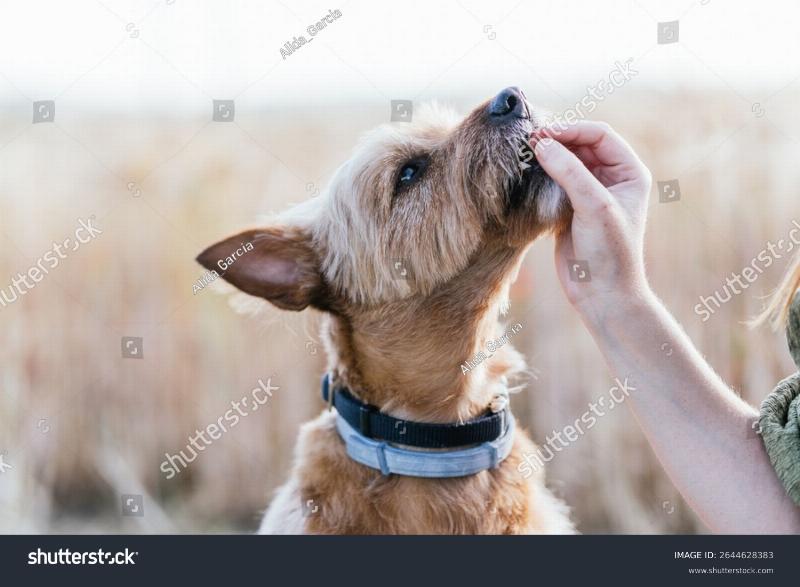 Golden retriever puppy sitting obediently, looking at owner holding a treat and a clicker. Training session in a living room. High-quality, natural light.
Addressing Common Behavioral Challenges
Litter Box Issues
If your cat is avoiding the litter box, it’s essential to rule out medical issues first. If a vet visit confirms no health problems, consider these training and environmental factors:
- Cleanliness: Cats are fastidious. Ensure the litter box is scooped daily and fully cleaned weekly.
- Number of Boxes: The general rule is one litter box per cat, plus one extra.
- Litter Type: Some cats are picky about litter texture or scent. Unscented, clumping litter is often preferred.
- Location: Place boxes in quiet, accessible locations away from high-traffic areas and their food and water bowls.
If the problem persists, you might need to retrain your cat to use the box. You can try a clicker train a cat approach, rewarding them for entering and using the box.
Scratching Furniture
Scratching is a natural and necessary behavior for cats to maintain their claws, stretch, and mark territory. The key is to redirect this behavior to appropriate surfaces.
- Provide Scratching Posts: Offer a variety of scratching posts – vertical, horizontal, made of different materials like sisal rope, cardboard, or carpet. Place them in prominent areas where your cat likes to spend time.
- Make Posts Appealing: Rub catnip on the posts or hang toys from them to attract your cat.
- Discourage Furniture Scratching: Use double-sided sticky tape (cats dislike sticky surfaces) or aluminum foil on the areas they target.
- Reward Good Behavior: Click and treat your cat whenever you see them using their scratching post. This is similar to how you might how to train a dog not to chase cats, by rewarding the desired behavior instead of punishing the unwanted one.
Socialization and Advanced Training
Socialization
Early socialization is crucial for kittens. Exposing them to various sights, sounds, people, and other well-behaved animals in a positive way during their critical development period (2-7 weeks) can help them grow into well-adjusted adult cats. For older cats, gradual and positive introductions to new experiences can still yield positive results.
Advanced Tricks
Once your cat has mastered the basics, you can move on to more complex tricks:
- High-Five/Paw: Similar to teaching “sit,” lure their paw up with a treat.
- Fetch: This often requires more advanced training and patience. Start with a toy they are already fond of and reward them for picking it up and bringing it back.
- Jumping Through a Hoop: Begin with a hoop on the floor and lure them through. Gradually raise the hoop as they become comfortable.
Remember, when teaching a cat anything new, consider the best cat treats for training – something extra special they don’t get every day.
The Role of Play in Training
Play is not just for fun; it’s a vital part of a cat’s life and an excellent training tool. Interactive play sessions mimic hunting behaviors, satisfying your cat’s natural instincts. Using toys like feather wands or laser pointers (again, used responsibly, always ending with a physical reward so the cat doesn’t get frustrated) can help burn energy and improve focus, making them more receptive to training.
Common Pitfalls to Avoid
- Inconsistency: Training sessions must be consistent. If you sometimes allow a behavior and sometimes don’t, your cat will become confused.
- Punishment: Never hit, yell at, or punish your cat. This erodes trust and can lead to aggression or fear-based behavioral problems.
- Unrealistic Expectations: Cats are not dogs. They have different motivations and learning speeds. Celebrate small victories.
- Short Sessions: Cats have short attention spans. Keep training sessions brief, ideally 5-10 minutes, multiple times a day.
Conclusion: Building a Better Bond Through Training
Training your cat is a journey that deepens your understanding of their needs and strengthens your bond. By using positive reinforcement, understanding their motivations, and being patient and consistent, you can teach your cat a variety of behaviors and address common challenges. The effort you invest in training treats for cats and dedicated training time will undoubtedly lead to a happier, more well-behaved companion and a richer relationship for both of you.
