
Training your dog is a rewarding journey, and the right tools can make all the difference. Interactive and engaging training toys aren’t just about play; they’re powerful allies in teaching your canine companion new skills, reinforcing good behavior, and strengthening the bond between you. Whether you’re a seasoned trainer or just starting, incorporating specialized toys can transform your training sessions from mundane to marvelous.
Dogs, by nature, are intelligent and eager to please, but they also thrive on mental stimulation and physical activity. Training toys tap into these natural instincts, providing a positive outlet for their energy and a clear reward system for learning. This guide explores the best Training Toys For Dogs, designed to meet various training needs and enhance your dog’s cognitive abilities.
The Power of Play in Dog Training
Training shouldn’t feel like a chore for either you or your dog. Play-based training leverages a dog’s natural desire to engage with toys, making learning enjoyable and effective. When a dog associates training with fun and positive reinforcement, they become more motivated and less prone to distraction. This approach not only speeds up the learning process but also builds confidence in your dog.
- Mental Stimulation: Puzzle toys and treat-dispensing toys challenge your dog’s problem-solving skills, preventing boredom and potential destructive behaviors that can arise from under-stimulation.
- Positive Reinforcement: Toys act as high-value rewards, signaling to your dog that they’ve done a great job. This positive association encourages them to repeat desired actions.
- Bonding: Training sessions become quality time spent together, deepening your relationship and mutual understanding. Sharing in the success of learning a new trick or mastering a command is incredibly satisfying for both pet and owner.
- Skill Development: Certain toys are specifically designed to help with specific training goals, such as teaching impulse control, recall, or even agility skills.
Essential Training Toys for Every Dog Owner
When selecting training toys, consider your dog’s size, age, breed, and personality. A durable toy for a power chewer will differ from one suitable for a small, gentle dog. Here are some of the most effective types of training toys available.
1. Treat-Dispensing Toys
These are perhaps the most versatile training toys, turning any meal or snack into a learning opportunity. Fill them with kibble or small treats, and your dog has to work to get the reward out. This engages their minds and satisfies their natural foraging instincts.
- How they help: Excellent for teaching patience, impulse control, and problem-solving. They can also help slow down fast eaters, improving digestion.
- Examples: Kong Wobbler, Starmark Bob-a-Lot, various puzzle balls.
- Training Tip: Start with larger treat holes and gradually move to smaller ones as your dog gets better at solving the puzzle. For a more advanced challenge, try using frozen wet food inside.
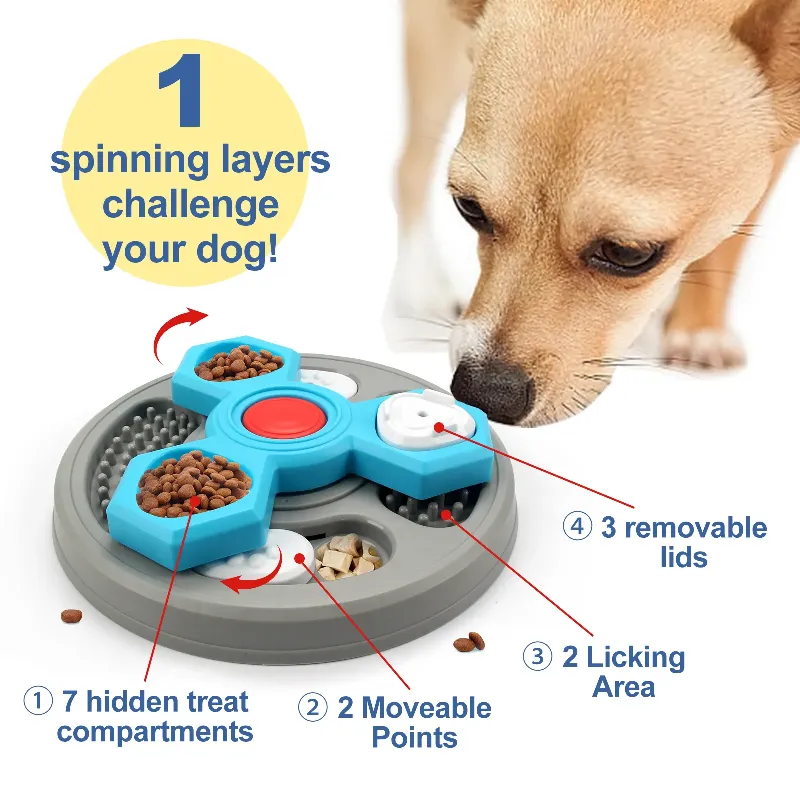 Engaging treat dispensing puzzle ball for dogs
2. Fetch and Retrieve Toys
The classic game of fetch is a fundamental training activity. Toys designed for fetching are not only great for exercise but also for teaching recall and reinforcing commands like “drop it.”
- How they help: Develops a strong recall, improves listening skills, and provides vigorous physical exercise. The “drop it” command is crucial for polite play and safety.
- Examples: Durable rubber balls, frisbees, and specifically designed retrieval dummies.
- Training Tip: Practice the “drop it” command by offering a high-value treat when your dog releases the toy. Gradually phase out the treat as they learn the command, using praise and the next throw as the reward. Learning positive dog training techniques can greatly enhance your fetch sessions.
3. Tug Toys
Tug-of-war, when played correctly, is an excellent way to build your dog’s confidence and teach them bite inhibition (how hard they can gently grip without causing pain). It’s a fantastic outlet for dogs with high energy or prey drive.
- How they help: Teaches self-control, impulse control, and strengthens the dog-handler bond. It also provides a great physical workout.
- Examples: Rope toys, durable rubber tugs, and fleece tugs.
- Training Tip: Always initiate and end the game yourself. Teach a clear “out” or “drop it” command. If your dog’s teeth touch your skin, immediately say “oops” and stop the game for a few seconds. This teaches them to be gentle. For breeds like Boxers, consistent and engaging methods are key, so explore resources on training a boxer dog.
4. Agility and Obstacle Toys
For owners looking to challenge their dogs physically and mentally, agility equipment and toys are ideal. These can range from simple tunnels and weave poles to more complex jump sets.
- How they help: Improves coordination, builds confidence, and provides an excellent mental and physical workout. It’s a fantastic way to channel a dog’s energy productively.
- Examples: Collapsible tunnels, weave poles, adjustable jumps, and pause tables.
- Training Tip: Start with low obstacles and short distances. Use treats and praise to guide your dog through the course. Make it fun and rewarding, gradually increasing the difficulty as your dog gains confidence. This ties into more advanced concepts like spirit dog training login for structured programs.
5. Interactive Puzzle Toys
Beyond simple treat dispensers, advanced puzzle toys require dogs to perform a series of actions—like sliding, lifting, or spinning parts—to access rewards. These are excellent for keeping intelligent breeds mentally stimulated.
- How they help: Significantly boosts cognitive function, problem-solving skills, and provides long-lasting engagement. They are perfect for keeping dogs occupied when you’re busy.
- Examples: Nina Ottosson puzzle feeders, Trixie activity toys.
- Training Tip: Supervise your dog with new puzzle toys to ensure they don’t become frustrated or try to destroy the toy. If they struggle, offer a little help to guide them toward the solution.
Choosing the Right Toy for Your Dog
Consider these factors when selecting training toys:
- Durability: For power chewers, invest in toys made from reinforced rubber or other tough materials.
- Safety: Ensure toys are non-toxic and free from small, detachable parts that could be a choking hazard. Always supervise your dog during play.
- Size Appropriateness: Toys should be the right size for your dog to comfortably handle and interact with.
- Your Dog’s Preferences: Some dogs prefer soft plush toys, while others are motivated by balls or squeaky items. Observe what your dog enjoys most.
- Training Goals: Are you working on recall, impulse control, or scent work? Choose toys that align with your specific training objectives. For instance, if you are working on vocal behaviors, you might research how to train dogs not to bark and consider toys that can help redirect that energy.
Making Training Fun and Effective
Training toys are more than just playthings; they are essential tools for building a well-behaved, happy, and confident dog. By incorporating a variety of engaging toys into your training routine, you can enhance your dog’s learning experience, strengthen your relationship, and ensure countless hours of enjoyable interaction. Remember that consistency, patience, and positive reinforcement are key, and the right toy can make all the difference in celebrating your dog’s successes. Owning a dog, especially a breed like a Boxer, requires dedication to their training and well-being, and proper tools like these can support that effort immensely.
