
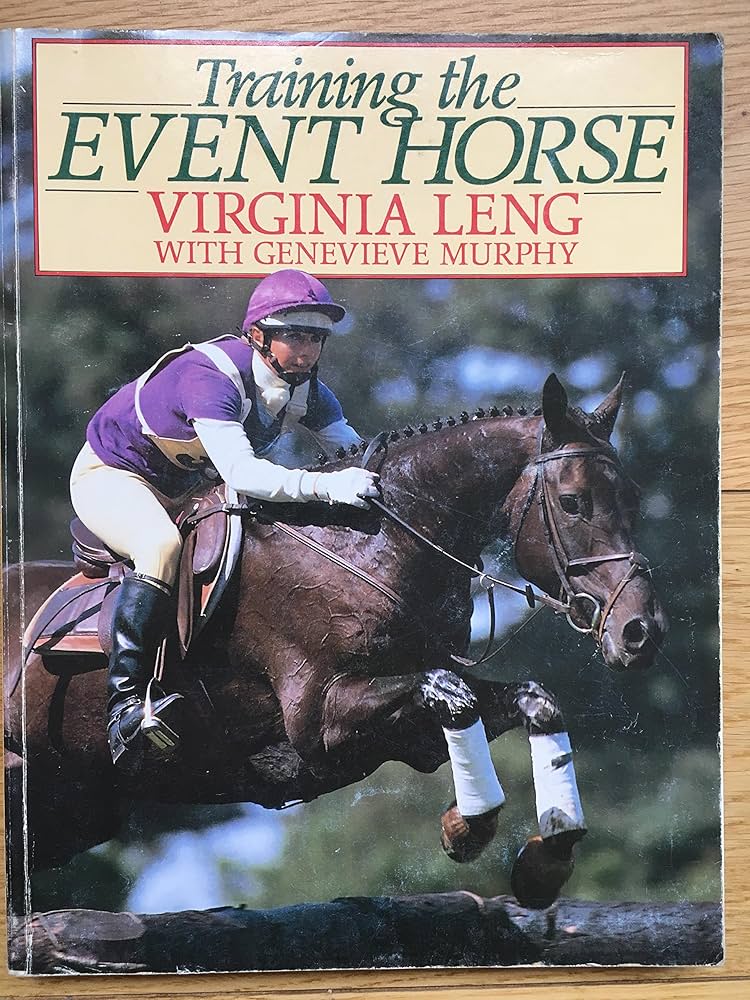
Embarking on the journey of training a three-day event horse is a commitment to a discipline that demands versatility, athleticism, and a deep partnership between horse and rider. This equestrian sport, a triathlon of the horse world, tests a horse’s ability across three distinct phases: dressage, cross-country, and show jumping. Success hinges on a well-rounded training program that develops not only physical prowess but also mental fortitude and a willing attitude. Whether you’re a seasoned professional or a dedicated amateur, understanding the intricacies of training for this demanding sport is paramount to fostering a successful and harmonious partnership.
Understanding the Demands of Three-Day Eventing
The essence of three-day eventing lies in its comprehensive assessment of a horse’s capabilities. Each phase requires a specific set of skills and temperaments. Dressage, the first phase, evaluates the horse’s obedience, suppleness, and responsiveness to the rider’s aids, requiring precision and grace. The cross-country phase is a true test of courage, stamina, and jumping prowess, where horse and rider navigate a challenging course of fixed obstacles over varied terrain. Finally, the show jumping phase assesses the horse’s athleticism, carefulness, and rideability, demanding clean jumping over a course of knockable fences.
The Dressage Foundation
A strong dressage foundation is the cornerstone of any successful event horse. This phase develops the horse’s balance, rhythm, and responsiveness, which are crucial for all subsequent phases. Training should focus on establishing clear communication through aids, encouraging suppleness through lateral work, and developing a consistent, ground-covering walk, trot, and canter. The goal is not just to perform the required movements but to execute them with clarity, submission, and an overall impression of harmony.
Conquering the Cross-Country Course
The cross-country phase is often considered the most thrilling and defining aspect of eventing. Training for this phase requires building the horse’s confidence, bravery, and fitness. Gradually introducing the horse to a variety of fence types, from solid logs to ditches and water obstacles, is essential. The rider must develop an effective galloping position and learn to effectively read the terrain and approach fences with the correct impulsion and balance. Fitness conditioning plays a vital role, gradually increasing the intensity and duration of gallops to build stamina and cardiovascular health. This is where the partnership truly shines, with the horse trusting the rider to guide them safely and courageously over the challenging course.
Precision in Show Jumping
While often seen as the final test, the show jumping phase requires a specific skill set that complements the other disciplines. Horses need to be agile, careful, and capable of adjusting their stride and jump to meet the demands of the course. Training involves practicing jumping various types of fences, simulating course designs, and refining the rider’s ability to maintain a balanced and effective position. The horse must understand the rider’s cues for direction, stride adjustment, and takeoff point, demonstrating a high level of rideability and responsiveness.
Key Training Principles for Event Horses
Successful event horse training is built upon a set of core principles that prioritize the horse’s well-being and long-term athletic development.
Building a Solid Partnership
At the heart of eventing lies the partnership between horse and rider. This relationship is forged through consistent, fair, and positive training methods. Understanding the horse’s individual personality, learning style, and physical capabilities is crucial. Regular communication, clear expectations, and mutual trust are the foundations upon which this partnership is built. Spending time on the ground, grooming, and simply being with the horse can significantly enhance this bond.
Gradual Progression and Conditioning
Introducing new challenges gradually is essential to prevent physical and mental burnout. The training program should be progressive, ensuring the horse is physically and mentally ready for each new step. This applies to all three phases, from introducing basic dressage movements to tackling more complex cross-country obstacles. Conditioning should be systematic, with a focus on building stamina, strength, and resilience over time. A well-conditioned horse is less prone to injury and performs at a higher level.
Versatility and Responsiveness
Event horses must be versatile athletes, capable of excelling in three different disciplines. Training should aim to develop a horse that is responsive to a wide range of aids and can adapt its way of going as needed. This involves consistent work across all phases, ensuring the horse remains engaged and willing. Encouraging a positive attitude towards work and rewarding correct responses helps foster a truly versatile and happy equine athlete.
The Role of Experienced Guidance
Training an event horse is a complex undertaking, and seeking guidance from experienced professionals is highly recommended. A qualified instructor or coach can provide invaluable insights, help identify potential issues early on, and tailor a training program to the specific needs of the horse and rider. They can also offer constructive feedback and help navigate the challenges inherent in the sport. This aligns with the E-E-A-T principles by leveraging expertise and authority in the field.
Integrating Relevant Concepts
For those interested in the broader aspects of equestrian sports, understanding related disciplines can be beneficial. For instance, the principles of how do they train horses for dressage can inform the early stages of event horse development. Similarly, exploring miami valley horse racing might offer insights into conditioning and stamina building, although the specific demands differ. Understanding different training philosophies, such as those potentially found in discussions around horse racing in el paso tx or golden state horse racing, can provide a wider perspective, even if the direct application to eventing varies. If seeking specific training techniques or expertise, searching for a burke horse trainer might uncover specialized approaches relevant to certain training challenges.
Conclusion: The Rewarding Path of Eventing
Training a three-day event horse is a challenging yet incredibly rewarding endeavor. It requires dedication, patience, and a deep understanding of equine athleticism and psychology. By focusing on a solid dressage foundation, courageous cross-country preparation, and precise show jumping, while always prioritizing the horse’s well-being and fostering a strong partnership, riders can unlock the full potential of their equine partners. The journey is as important as the destination, and the bond formed through this demanding yet exhilarating sport is truly unparalleled.
