
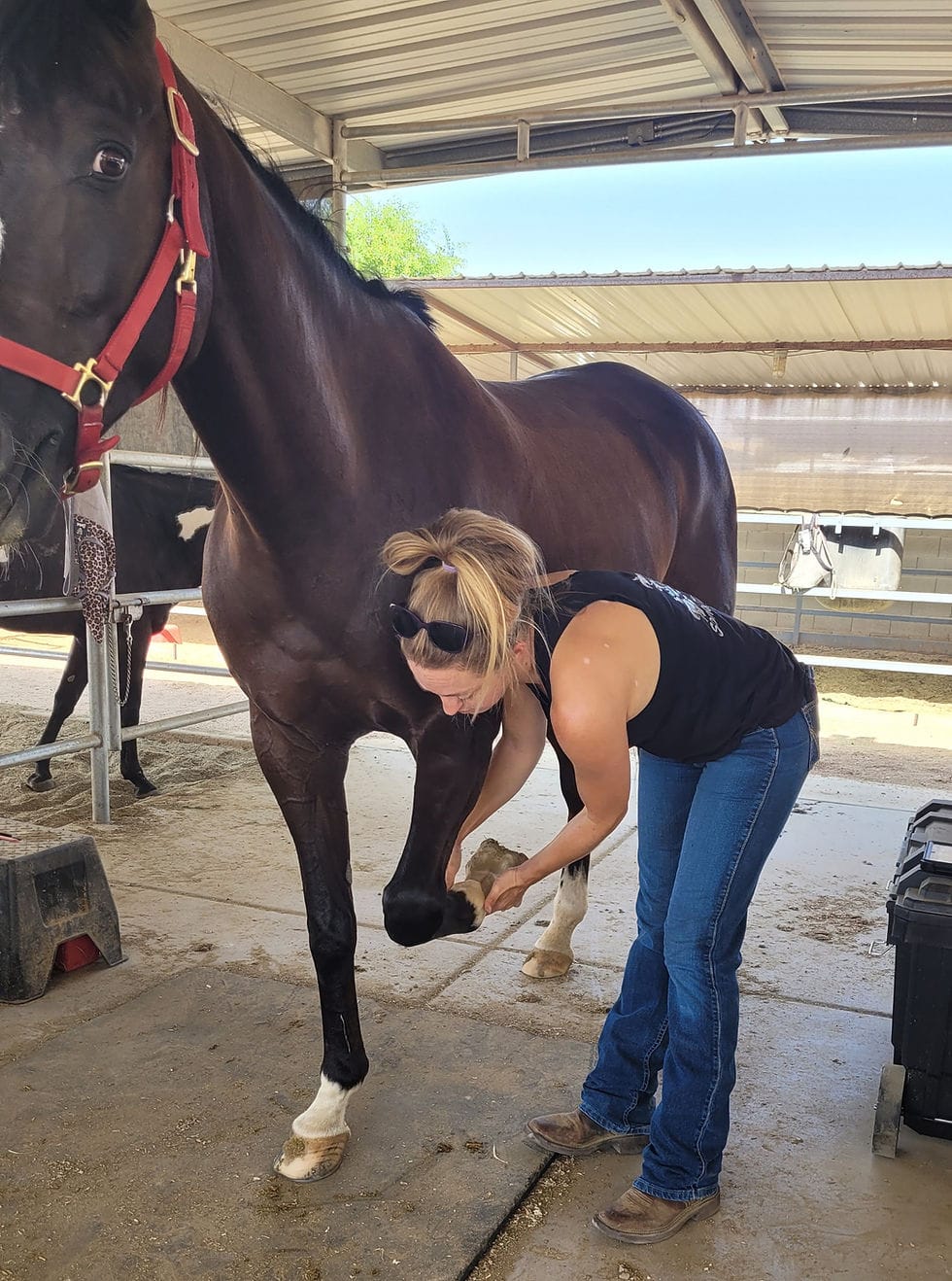
As stewards of these magnificent creatures, our focus extends beyond mere performance; it encompasses their long-term health and well-being. One critical aspect often requiring diligent attention is the health of a horse’s joints. Whether you’re a professional equestrian, a passionate hobbyist, or a dedicated owner, understanding how training impacts your horse’s joints and implementing appropriate support strategies is paramount. This comprehensive guide delves into the world of Training Support For Horse Joints, ensuring your equine partner can perform at their peak, safely and sustainably, for years to come.
The intricate structure of a horse’s leg, designed for powerful locomotion, relies heavily on the integrity of its joints. These articulations, where bones meet, are cushioned by cartilage and lubricated by synovial fluid, allowing for smooth, pain-free movement. However, the repetitive stress of training, especially at high levels or on hard surfaces, can take a toll. This is where proactive training support for horse joints becomes not just beneficial, but essential.
Understanding the Equine Joint and Training Stress
Before we explore support strategies, let’s briefly touch upon the anatomy and the specific stresses training can impose. Key joints like the fetlock, knee, hock, and coffin joint are particularly susceptible to wear and tear.
- Cartilage: This smooth, protective tissue covering the ends of bones within a joint can degenerate over time due to overuse, injury, or poor conformation.
- Synovial Fluid: This natural lubricant can become less effective or depleted with excessive stress, leading to increased friction and inflammation.
- Ligaments and Tendons: While not joints themselves, these connective tissues provide stability to the joints. Strain or injury to these structures directly impacts joint function and can lead to secondary joint issues.
High-impact activities, sharp turns, uneven terrain, and prolonged strenuous work all contribute to the mechanical stress on these delicate structures. For riders aiming to improve their horse’s strength and responsiveness, understanding the foundational principles of training support for horse joints is crucial for building a lasting partnership.
Pillars of Training Support for Horse Joints
Effective joint support is a multi-faceted approach, integrating several key components into your horse’s daily care and training regimen.
1. Smart Training Regimen Design
The way you train is the first line of defense for your horse’s joints. This involves thoughtful planning and execution.
- Progressive Overload: Gradually increase the intensity, duration, and frequency of training. Avoid sudden jumps in workload, which can overwhelm the joints. This principle is fundamental whether you’re focusing on basic obedience or advanced maneuvers.
- Varying Disciplines and Surfaces: Mix up your horse’s work. Incorporate low-impact activities like groundwork or water treadmill work. Alternate between different riding surfaces (e.g., sand, grass, synthetic tracks) to distribute stress.
- Adequate Warm-up and Cool-down: Always begin and end each training session with a proper warm-up and cool-down period. This prepares the muscles and joints for work and aids in recovery, reducing stiffness and potential injury. A good warm-up might include several minutes of walking and light trot work, gradually introducing more dynamic movements.
- Correct Horsemanship: Proper riding technique is vital. Maintaining the correct posture, balance, and applying aids effectively minimizes unnecessary strain on the horse’s frame and joints. If you’re looking to refine your riding skills, consider resources on strength training for horse riders, as rider balance directly impacts the horse’s joint stress.
2. Nutritional Support
What you feed your horse plays a significant role in maintaining joint health from the inside out.
- Joint-Specific Supplements: Many commercially available supplements contain ingredients known to support joint health. Common active ingredients include:
- Glucosamine and Chondroitin Sulfate: These are building blocks for cartilage and are thought to help slow cartilage degradation.
- MSM (Methylsulfonylmethane): An organic sulfur compound that may help reduce inflammation and support connective tissue health.
- Hyaluronic Acid (HA): A key component of synovial fluid, contributing to lubrication and shock absorption.
- Omega-3 Fatty Acids: Found in fish oil and flaxseed, these have anti-inflammatory properties that can benefit joint health.
- Collagen: An essential protein for connective tissues, including cartilage, tendons, and ligaments.
- Balanced Diet: Ensure your horse receives a diet rich in essential vitamins and minerals, particularly those that support bone and connective tissue health, such as Vitamin C, Vitamin E, and Manganese. Consult with an equine nutritionist to tailor a diet specific to your horse’s needs, activity level, and any pre-existing conditions.
3. Veterinary Care and Monitoring
Regular professional assessment is non-negotiable for proactive joint care.
- Pre-purchase Examinations: Crucial for identifying any pre-existing joint issues before acquiring a horse.
- Regular Vet Check-ups: Your veterinarian can assess your horse’s soundness, identify early signs of joint inflammation or degeneration, and recommend appropriate interventions. They can also advise on the best training support for horse joints based on individual needs.
- Diagnostic Imaging: If lameness is suspected, techniques like X-rays, ultrasounds, or MRIs can provide detailed information about the condition of the joints, cartilage, and surrounding soft tissues.
- Therapeutic Interventions: Depending on the diagnosis, your vet may recommend treatments such as:
- Intra-articular Injections: Directly injecting medications like corticosteroids or hyaluronic acid into the joint to reduce inflammation and improve lubrication.
- Systemic Medications: Oral or injectable anti-inflammatory drugs to manage pain and inflammation.
- Regenerative Therapies: Emerging treatments like IRAP (Interleukin-1 Receptor Antagonist Protein) or PRP (Platelet-Rich Plasma) aim to harness the horse’s own healing capabilities.
4. Equine Rehabilitation and Therapies
Beyond basic care, specialized therapies can significantly aid joint health and recovery.
- Therapeutic Exercises: Guided exercises, often prescribed by an equine physical therapist, can strengthen supporting muscles, improve range of motion, and enhance joint stability. These exercises are carefully designed to be beneficial without causing further harm, and they are a key component of training support for horse joints.
- Equine Massage Therapy: Can help release muscle tension that might be contributing to joint stress and improve circulation.
- Acupuncture and Chiropractic: Some owners find these alternative therapies beneficial for managing pain and improving overall biomechanics.
- Water Treadmill Therapy: Provides low-impact resistance exercise, excellent for building muscle and improving cardiovascular fitness without heavy joint concussion.
Advanced Considerations and Technologies
The field of equine sports medicine is constantly evolving, offering new tools and insights.
The Role of Technology
- Motion Analysis: Sophisticated systems can track a horse’s movement in detail, identifying subtle gait abnormalities that might indicate early-stage joint issues or inefficient movement patterns. This data is invaluable for refining training.
- Specialized Equipment: While not as common as in human sports, research is ongoing into equipment that might offer joint support during high-demand activities. Understanding the scale of training horses and the demands placed on them by different disciplines can inform the use of any such technology.
Injury Prevention and Management
- Understanding Risk Factors: Be aware of factors that increase joint injury risk, such as genetics (conformation), age, previous injuries, and the intensity of training.
- Prompt Treatment: If you suspect a joint injury, seek veterinary attention immediately. Early diagnosis and treatment significantly improve the prognosis and reduce the risk of long-term complications. This includes adhering strictly to prescribed rest and rehabilitation protocols, understanding that rushing back to full work can undo progress and exacerbate damage.
Conclusion: A Partnership in Joint Health
Supporting your horse’s joints through a comprehensive training and care program is an investment in their longevity and performance. It requires a holistic approach that combines intelligent training practices, targeted nutritional support, vigilant veterinary care, and potentially specialized therapies.
By prioritizing the health of your equine partner’s joints, you foster a stronger, more resilient partnership built on trust and mutual well-being. Remember, the goal isn’t just about achieving peak performance today, but ensuring your horse remains sound, happy, and capable for every ride, every competition, and every moment you share for years to come. Investing in training support for horse joints is investing in the future of your equine athlete.
