
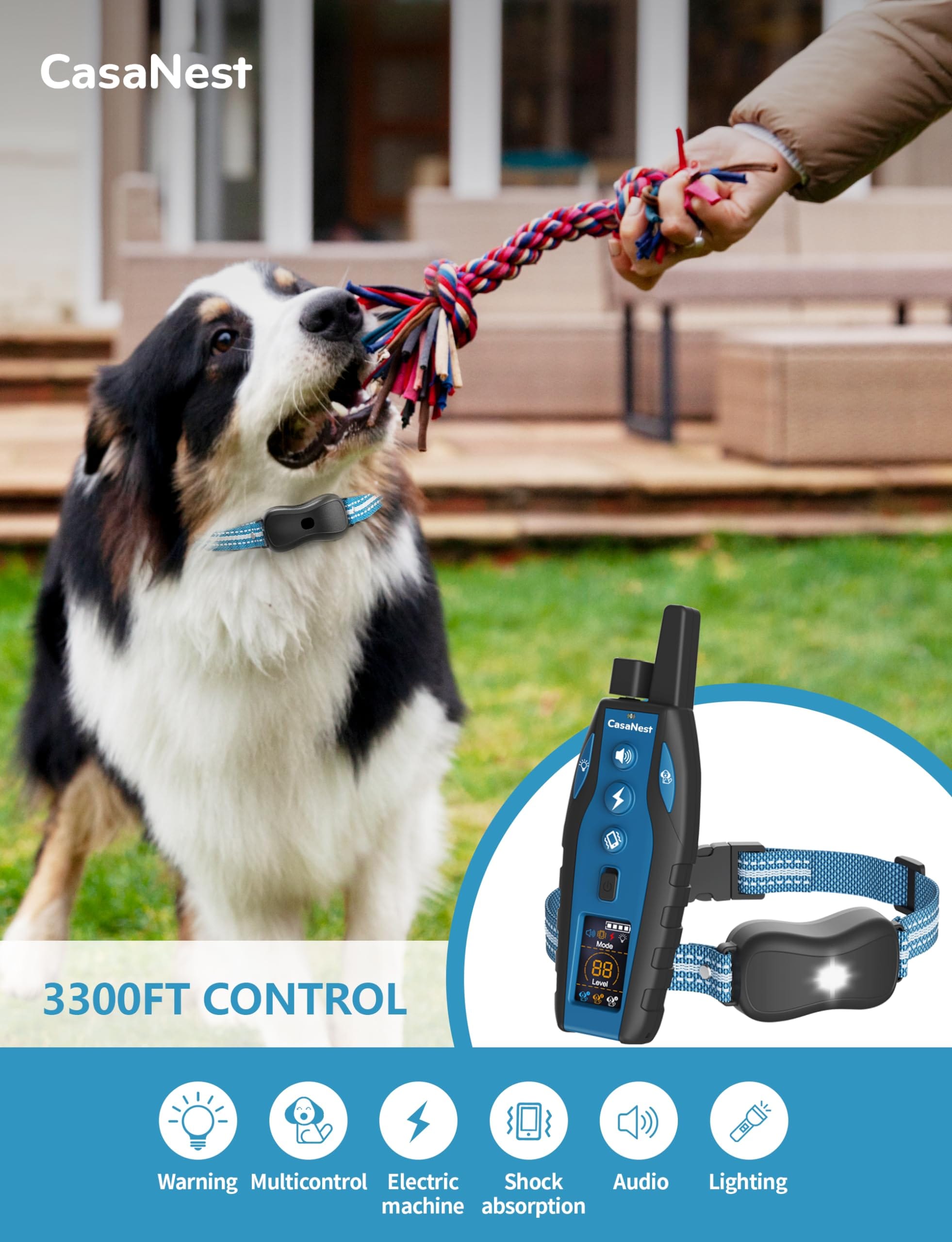
As a passionate dog owner and content creator for Dog Care Story, I understand the importance of effective training tools. Choosing the right training shock collar can be a game-changer for improving your dog’s behavior, ensuring their safety, and strengthening your bond. This guide dives deep into the best training shock collars for dogs available in 2026, focusing on safety, effectiveness, and user-friendliness.
Understanding Training Shock Collars for Dogs
Training shock collars, also known as e-collars or remote training collars, are devices designed to help correct unwanted behaviors in dogs. They typically consist of a collar with two contact points that rest against the dog’s neck and a remote transmitter controlled by the handler. When a specific behavior is observed, the handler can activate the collar to deliver a mild static stimulation, a vibration, or an audible tone. It’s crucial to remember that these collars are not intended to cause pain but rather to act as a distraction or correction that redirects the dog’s attention.
How Do They Work?
The effectiveness of a training shock collar lies in clear communication and consistent application. The static stimulation is designed to be startling but not harmful, interrupting an undesirable action. For instance, if your dog is prone to excessive barking, you might use the collar to provide a correction when they start barking unnecessarily. Over time, the dog learns to associate the unwanted behavior with the sensation, leading to a reduction in that behavior.
Are They Safe and Humane?
The question of safety and humanness is paramount for any dog owner. Reputable training shock collars are designed with adjustable levels of stimulation, allowing you to find a setting that effectively communicates with your dog without causing distress. It’s vital to use these tools responsibly, starting with the lowest levels and only increasing them if necessary. Many experts recommend professional guidance when introducing an e-collar to ensure it’s used correctly and ethically. When used properly, these collars can be a humane and effective part of a comprehensive training program.
Key Features to Consider When Choosing a Training Shock Collar
When selecting a training shock collar, several features can significantly impact its effectiveness and your experience. Focusing on these aspects will help you find a product that best suits your needs and your dog’s temperament.
Range and Durability
The range of the remote transmitter is a critical factor, especially if you train in large open areas or have a dog with a strong prey drive that might bolt. Look for collars with a substantial range, often advertised in yards or meters. Durability is also essential; the collar should withstand various weather conditions and the rigors of active play. Waterproof or water-resistant features are highly beneficial for dogs who love to swim or train in damp environments.
Levels of Stimulation and Correction Modes
A good training shock collar offers multiple levels of static stimulation, allowing for precise adjustments. Some also include vibration or tone-only modes, which can be excellent starting points or alternatives for sensitive dogs. Vibration and tone can often be sufficient for many training scenarios, reserving the static correction for more persistent issues. The ability to customize the correction type and intensity is key to humane and effective training.
Battery Life and Charging
Consider the battery life and charging method. Rechargeable batteries are standard now and offer convenience. Look for collars that have a decent battery life, ensuring they can last through extended training sessions or multiple days of use without frequent recharging. Fast-charging capabilities can also be a significant advantage.
Fit and Comfort
The collar must fit your dog comfortably and securely. Improper fit can lead to chafing, discomfort, or a failure of the contact points to make proper contact with the skin, rendering the correction ineffective. Most collars come with adjustable straps, and it’s important to measure your dog’s neck circumference to ensure a good fit. The contact points should rest snugly against the skin.
Ease of Use
A user-friendly remote is crucial. The buttons should be easily distinguishable and the interface intuitive. If the remote is complex, it can lead to accidental corrections or delays in responding to your dog’s behavior, hindering the training process.
The Best Training Shock Collars for Dogs in 2026
Based on features, user reviews, and expert recommendations, here are some of the top training shock collars for dogs this year. These options represent a balance of advanced features, reliability, and humane training capabilities.
1. SportDOG Brand FieldTrainer 425X
The SportDOG FieldTrainer 425X is a popular choice for serious trainers and active dog owners. It’s known for its robust construction and reliable performance.
- Range: Up to 500 yards
- Correction Modes: 21 levels of static stimulation (low, medium, high), vibration, and tone.
- Waterproof: Fully waterproof collar and transmitter.
- Battery: Rechargeable lithium-ion batteries, with a two-hour charge time.
- Ideal For: Advanced training, hunting dogs, and dogs with stubborn temperaments.
This collar excels in harsh environments and offers precise control, making it a versatile tool for various training needs. The multiple correction modes ensure you can adapt your approach to your dog’s specific responses.
2. Garmin Delta XC Pro
Garmin is renowned for its GPS technology, and their training collars combine this expertise with effective dog training features. The Delta XC Pro is designed for simplicity and effectiveness.
- Range: Up to 1/2 mile (approximately 880 yards)
- Correction Modes: 18 levels of continuous and momentary stimulation, plus audible alerts.
- Waterproof: Collar is waterproof (up to 1 ATM), transmitter is water-resistant.
- Battery: Rechargeable, with a long-lasting battery life.
- Ideal For: Owners seeking a user-friendly yet powerful training system.
The Garmin Delta XC Pro is praised for its intuitive interface and the quality of its stimulation. It’s a great option for those who want a reliable system without an overly complicated setup.
3. Petrainer PET998DRU 1000M Remote Dog Training Collar
For budget-conscious owners who still need effective training, the Petrainer PET998DRU offers excellent value. It provides a good range and essential features at an affordable price point.
- Range: Up to 1000 meters (approximately 1093 yards)
- Correction Modes: 100 levels of static shock, vibration, and beep modes.
- Waterproof: Collar is waterproof (IPX7), transmitter is water-resistant.
- Battery: Rechargeable, with a quick charging feature.
- Ideal For: Everyday training needs, basic obedience, and owners on a budget.
While it may not have all the bells and whistles of higher-end models, the Petrainer PET998DRU is highly effective for common training challenges and offers a wide range of stimulation levels.
4. Educator E-Collar Remote Dog Training Collar (400 yd)
The Educator brand focuses on providing humane and effective training solutions. Their collars are designed to be less startling and more intuitive for the dog to understand.
- Range: Up to 400 yards
- Correction Modes: Low-level stimulation, vibration, and tone. Known for its “boost” stimulation for immediate attention.
- Waterproof: Fully waterproof collar and remote.
- Battery: Rechargeable lithium-ion batteries.
- Ideal For: Sensitive dogs, basic to intermediate training, and owners prioritizing a gentle approach.
The Educator collar is highly regarded for its ergonomic remote and the quality of its stimulation, which is often described as a tapping sensation rather than a sharp shock. This makes it an excellent choice for dogs who may be easily frightened or overwhelmed.
5. FT-330 Remote Dog Training Collar by FDT
The FT-330 is a strong contender for owners looking for a reliable, long-range training collar with multiple correction options. It balances features with a reasonable price.
- Range: Up to 330 yards
- Correction Modes: 8 levels of static stimulation, vibration, and beep.
- Waterproof: Collar is waterproof, remote is water-resistant.
- Battery: Rechargeable batteries.
- Ideal For: Home training, leash reactivity, and general obedience.
This collar provides a good balance of features, making it suitable for a wide range of training scenarios. Its waterproof design means it can handle various weather conditions and accidental dousings.
How to Safely and Effectively Use a Training Shock Collar
Introducing any new training tool requires care and a thorough understanding of its use. Here’s a step-by-step approach to using a training shock collar responsibly.
Step 1: Understand Your Dog’s Needs
Before you even pick up a collar, assess your dog’s temperament and the specific behaviors you need to address. Is your dog highly sensitive, easily startled, or generally stubborn? This will help you choose the right collar and set the appropriate stimulation levels.
Step 2: Introduce the Collar Gradually
Let your dog wear the collar for short periods without activating it, so they get accustomed to the feel. Associate the collar with positive experiences, like treats or praise. Ensure the collar is fitted correctly, with the contact points making firm contact with the skin.
Step 3: Start with Tone or Vibration
Always begin training sessions with the lowest level of vibration or tone mode. Many dogs respond well to these non-static cues. This helps them understand that you are trying to communicate something without resorting immediately to static stimulation.
Step 4: Introduce Static Stimulation Carefully
If tone or vibration isn’t effective, gradually introduce static stimulation, starting at the very lowest level. Observe your dog’s reaction. A slight ear twitch, head turn, or momentary pause is often enough to indicate they’ve registered the sensation. Immediately praise or reward them for stopping the unwanted behavior or responding to your command.
Step 5: Maintain Consistency and Timing
Timing is everything in dog training. The correction must be delivered within a second or two of the unwanted behavior for your dog to make the connection. Be consistent with your commands and corrections. Remember that e-collars are a tool to aid training, not a replacement for consistent positive reinforcement and clear communication.
Step 6: Phase Out the Collar When Appropriate
The ultimate goal is for your dog to respond to commands without the need for the collar. As your dog’s behavior improves and they reliably respond to verbal cues or lighter stimulations, you can gradually reduce the frequency of use or rely more on tone and vibration. Eventually, you may be able to phase out the collar entirely for everyday situations, keeping it for specific high-distraction environments if necessary.
Frequently Asked Questions About Training Shock Collars
Q1: Can a shock collar hurt my dog?
A1: When used correctly and with appropriate settings, a shock collar is designed to deliver a mild static stimulation, not a painful shock. The goal is to distract or interrupt behavior, not to cause harm. Always start at the lowest level and consult with a professional if unsure.
Q2: At what age can I start using a shock collar?
A2: Most experts recommend waiting until a dog is at least six months old, or fully physically mature, before using a shock collar. Puppies have different developmental stages, and their training needs may be better met with other methods initially.
Q3: My dog is still barking with the shock collar on. What should I do?
A3: Ensure the collar is fitted correctly and that you are using a high enough stimulation level for your dog to notice. Sometimes, persistent barking may require a combination of training methods, professional help, or addressing underlying anxiety.
Q4: Can I use a shock collar for leash reactivity?
A4: Yes, shock collars can be effective tools for managing leash reactivity when used by experienced handlers. The goal is to interrupt the dog’s fixation on the trigger (like another dog) and redirect their attention back to you. Proper timing and low-level stimulations are crucial.
Q5: How do I ensure the collar is waterproof?
A5: Check the product specifications for the IPX rating. An IPX7 rating, for example, means the collar can be submerged in water up to 1 meter for 30 minutes. Always follow the manufacturer’s instructions for cleaning and maintenance to preserve its waterproof integrity.
The Story Continues: Building a Better Bond Through Training
Choosing the right training shock collar is a significant decision in your dog’s training journey. By understanding the options, features, and proper usage, you can select a tool that effectively enhances your communication with your canine companion. Remember, these collars are most effective when integrated into a consistent, positive, and loving training regimen. The ultimate reward is a well-behaved dog and an even stronger bond built on trust and mutual understanding. Explore these top-rated training shock collars for dogs and embark on a more successful training adventure.
