
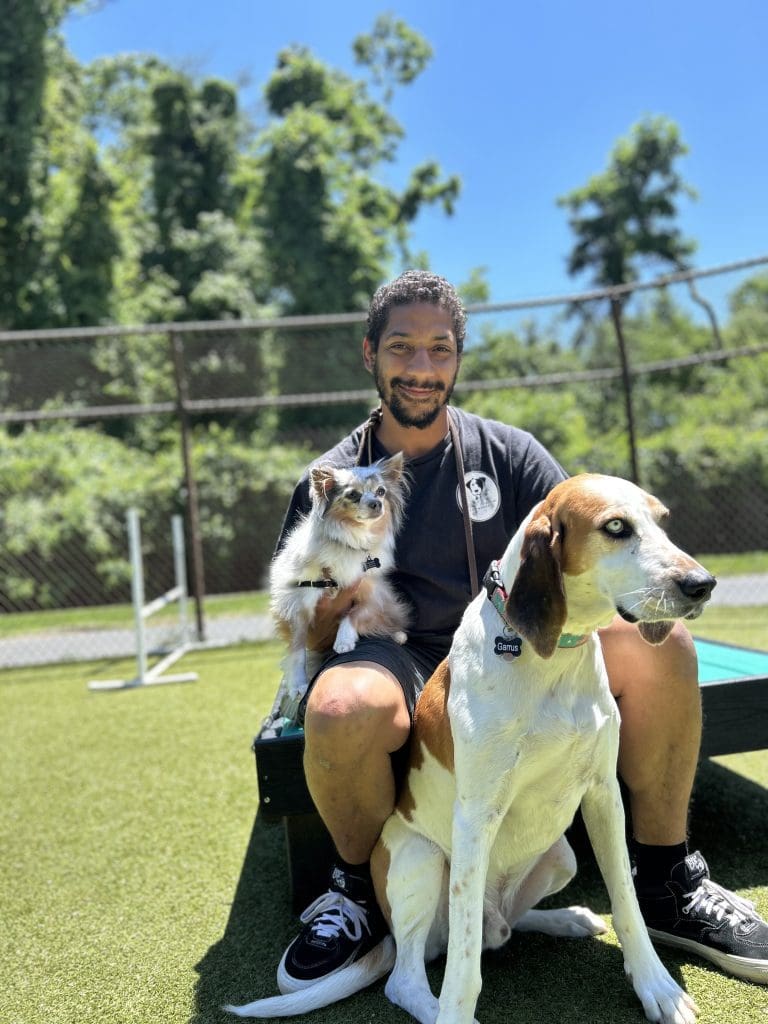
Finding the right training school for your dog is a crucial step in ensuring they become a well-behaved and happy member of your family. With so many options available, it can feel overwhelming to choose the best fit. This guide will help you navigate the process, focusing on what to look for in top-tier Training Schools For Dogs Near Me, and why investing in professional training is so beneficial.
Why Professional Dog Training Matters
Before we dive into finding a school, let’s touch upon why professional training is so valuable. Dogs are intelligent creatures who thrive on structure and clear communication. A good training program doesn’t just teach your dog commands; it strengthens the bond between you and your pet, fosters confidence in your dog, and can even prevent behavioral issues down the line. It’s about building a foundation of understanding and respect. Think of it as setting your dog up for success in life.
Understanding Your Dog’s Needs: The First Step
Every dog is an individual, with their own personality, energy levels, and learning style. Before you even start searching for training schools for dogs near me, consider these aspects:
- Age and Breed: Puppies have different needs than adult dogs. Certain breeds may also have predispositions to specific behaviors or learning styles that a trainer can help you manage.
- Temperament: Is your dog shy, boisterous, anxious, or overly confident? Understanding your dog’s temperament will help you find a trainer experienced with similar personalities.
- Your Goals: What do you want to achieve? Basic obedience? Socialization? Addressing specific behavioral issues like excessive barking or leash reactivity? Your goals will dictate the type of training program you need.
What to Look for in Top Dog Training Schools
When evaluating training schools for dogs near me, consider these key factors:
1. Training Philosophy and Methods
This is arguably the most critical factor. Ethical and effective dog training relies on positive reinforcement methods.
Positive Reinforcement: This approach uses rewards such as treats, praise, and toys to encourage desired behaviors. It’s humane, effective, and builds a strong, trusting relationship between you and your dog.
Avoid Aversive Methods: Steer clear of trainers who rely on punishment, intimidation, choke chains, or electronic collars for correction. These methods can create fear, anxiety, and aggression in dogs, and are generally considered outdated and harmful.
Did You Know? Dogs trained using positive reinforcement methods often show fewer behavioral problems and are more eager to learn.
2. Trainer Qualifications and Experience
A good trainer is knowledgeable and experienced. Look for:
- Certifications: Reputable organizations offer certifications for dog trainers, indicating they have met certain standards of knowledge and skill. Examples include the Certification Council for Professional Dog Trainers (CCPDT) or the Karen Pryor Academy (KPA).
- Experience: How long have they been training? Do they have experience with dogs similar to yours?
- Continuing Education: The field of animal behavior is constantly evolving. A good trainer stays updated through workshops, seminars, and professional development.
3. Class Structure and Environment
The learning environment plays a significant role in a dog’s ability to learn.
- Class Size: Smaller classes often allow for more individual attention from the trainer.
- Environment: Is the training space clean, safe, and free from excessive distractions? A well-managed environment is crucial for successful learning.
- Curriculum: Does the curriculum cover a range of essential behaviors and address common issues? A good program will also teach you, the owner, how to communicate effectively with your dog.
4. Owner Involvement
Effective dog training is a team effort. The best schools involve you actively in the process.
- Parent Education: They should educate you on canine behavior, learning theory, and how to practice training at home.
- Progress Tracking: How do they monitor and report on your dog’s progress?
- Support: Do they offer ongoing support or follow-up sessions if needed?
5. Reviews and Testimonials
What do other dog owners say about their experience?
- Online Reviews: Check platforms like Google, Yelp, or specialized dog training directories.
- Word-of-Mouth: Ask friends, family, or your veterinarian for recommendations.
Types of Training Programs
Training schools for dogs near me offer various programs to suit different needs:
Puppy Socialization and Basic Obedience
- Ideal for: Puppies typically between 8-16 weeks old.
- Focus: Early socialization with other dogs and people, basic commands (sit, stay, come, down), house training, and bite inhibition. This is a critical period for development.
Advanced Obedience Classes
- Ideal for: Dogs who have completed basic training.
- Focus: Refining commands, adding duration and distance, off-leash control, and introducing more complex behaviors.
Specialty Classes
- Agility: For dogs and owners who enjoy physical activity and problem-solving.
- Nose Work/Scent Training: Taps into a dog’s natural scenting abilities.
- Canine Good Citizen (CGC) Preparation: A program designed to certify dogs who have good manners at home and in the community.
Private Training
- Ideal for: Dogs with specific behavioral issues, owners with busy schedules, or dogs who may not thrive in a group setting.
- Focus: One-on-one sessions tailored to your dog’s unique challenges and your specific goals. This can be highly effective for addressing issues like separation anxiety, aggression, or fearfulness. If you’re looking for service dog training online free or specialized training, private sessions are often the way to go.
Finding a Training School: Practical Tips
- Start Early: For puppies, enrolling in a socialization class as soon as they are cleared by their veterinarian is highly recommended.
- Visit the Facility: If possible, visit the training school before enrolling. Observe a class in session to get a feel for the trainer’s style and the environment.
- Ask Questions: Don’t hesitate to ask about their training methods, trainer qualifications, class sizes, and what you can expect from the program.
- Consider Location and Schedule: Choose a school that is conveniently located and offers class times that fit your schedule.
- Consult Your Veterinarian: Your vet can be a valuable resource for recommendations for reputable dog training school near me.
The Role of Dog Training in Career Opportunities
For those passionate about canine behavior and training, understanding the pathways to becoming a professional is also important. Exploring dog training job opportunities can be a rewarding career. Many reputable top dog training schools not only offer courses for pet owners but also for aspiring professional trainers, setting them on a path to success in this fulfilling field.
Conclusion: Investing in a Brighter Future for Your Dog
Choosing the right training school for your dog is an investment in their well-being and your relationship. By understanding your dog’s needs, knowing what to look for in a quality school, and actively participating in the training process, you can help your canine companion reach their full potential. A well-trained dog is a joy to live with, and the journey of learning together is one of the most rewarding experiences a pet owner can have. Remember, consistency and positive reinforcement are key to a happy, well-behaved dog.
