
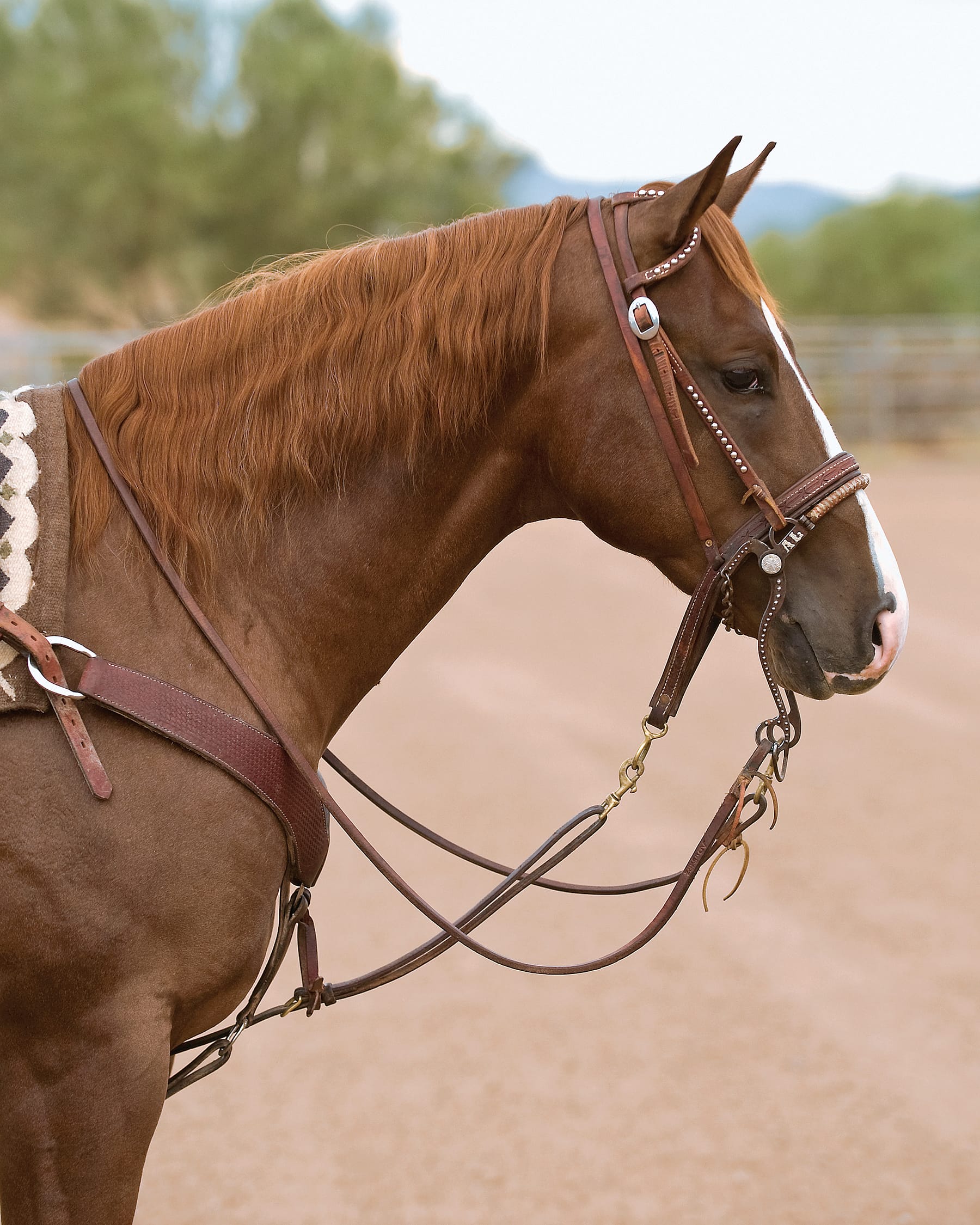
Horses have been partners with humans for millennia, and the relationship continues to evolve. A crucial element in this partnership is effective training, and a dedicated space for this is the Training Ring For Horses. Whether you’re a seasoned equestrian or just starting, understanding the importance and best practices for using a training ring is essential for fostering a strong, safe, and productive relationship with your equine. This guide will delve into everything you need to know about training rings, from their purpose and construction to how to use them effectively for various training disciplines.
What is a Training Ring for Horses?
A training ring, often referred to as a riding arena or paddock, is a designated enclosed area specifically designed for training, exercising, and working with horses. These rings provide a controlled environment, free from the distractions and potential hazards of open fields or public spaces. The enclosure ensures the horse remains within a safe boundary, allowing both horse and rider to focus on the training session. The size and construction of training rings can vary widely, depending on their intended use and the preferences of the owner.
The Purpose and Benefits of a Dedicated Training Space
The primary purpose of a training ring is to offer a secure and focused setting for equestrian activities. This controlled environment offers several key benefits:
- Safety: An enclosed space minimizes the risk of a horse running off, encountering external dangers, or interfering with other activities. This is particularly important for young or inexperienced horses and riders.
- Focus: By reducing distractions like wildlife, traffic, or other animals, a training ring allows both horse and rider to concentrate on the task at hand, leading to more efficient learning and skill development.
- Consistency: The uniform surface and boundaries of a ring provide a consistent footing and environment, which is crucial for developing specific gaits, maneuvers, and responses.
- Versatility: Training rings can be adapted for a wide range of disciplines, from basic obedience and groundwork to advanced dressage, jumping, and reining.
- Accessibility: Unlike vast open fields that may be subject to weather or terrain limitations, a well-maintained training ring is typically available for use year-round.
Types of Training Rings and Their Construction
Training rings come in various forms, each suited to different needs and budgets. The construction materials and design significantly impact their functionality and durability.
Common Ring Dimensions and Shapes
While there’s no strict standard, common dimensions offer ample space for various training needs:
- Small Arenas: Often around 60×120 feet (approx. 18×36 meters), these are suitable for basic groundwork, lunging, and starting young horses.
- Standard Arenas: Typically 100×200 feet (approx. 30×60 meters), these are versatile and commonly used for dressage, general riding, and smaller jumping courses.
- Large Arenas: These can range from 150×300 feet (approx. 45×90 meters) or larger, accommodating competitive jumping courses, reining patterns, or multiple horses working simultaneously.
Shapes are usually rectangular, but some facilities may feature oval or round pens, especially for groundwork and liberty training.
Materials for Arena Construction
The choice of materials for the base, footing, and fencing is critical for the longevity, safety, and performance of a training ring.
Fencing Options:
- Wood: Traditional and aesthetically pleasing, wood fencing (like post-and-rail) offers good visibility but requires regular maintenance to prevent rot and splintering.
- PVC/Vinyl: Durable, low-maintenance, and available in various colors, PVC fencing is a popular modern choice.
- Metal: Steel or aluminum fencing is robust and long-lasting but can be more expensive and may pose a greater risk of injury if a horse impacts it.
- Wire Mesh/High-Tensile Wire: Often used in conjunction with wood or vinyl posts, these provide a secure barrier but require careful installation to prevent injury.
Surface Materials (Footing):
The footing is arguably the most critical component of an arena, directly impacting horse soundness and performance.
- Sand: The most common footing, sand offers good drainage and cushioning. Its properties can be adjusted by adding different grades of sand or mixing it with other materials.
- Gravel/Crushed Stone: Provides a firm base and good drainage but can be hard on horses’ legs if not properly mixed with a softer top layer.
- Wood Fiber/Screenings: Often mixed with sand, these materials add cushioning and improve moisture retention.
- Rubber Mulch: Recycled rubber provides excellent shock absorption and cushioning, reducing impact on joints. However, it can get hot in direct sun and may be displaced more easily.
- Textile/Felt: Blended with sand, these synthetic fibers enhance stability and moisture retention.
- Clay/Dirt: While natural, these can become muddy and slippery when wet, or dusty and hard when dry, requiring significant maintenance.
A well-constructed arena base typically involves compacted layers of gravel and stone for drainage, topped with the chosen footing material. The depth of the footing varies based on discipline and preference, usually ranging from 3 to 6 inches.
Effective Use of a Training Ring for Horse Development
A training ring is more than just an enclosed space; it’s a tool for systematic development. Utilizing it effectively involves understanding different training methodologies and adapting the space to suit specific goals.
Groundwork and Lunging
The enclosed nature of a training ring is ideal for groundwork. It allows trainers to establish clear boundaries, practice yielding to pressure, and develop vocal cues without the horse feeling trapped or overwhelmed. Lunging exercises within the ring help horses develop balance, rhythm, and responsiveness to voice commands and whip signals. The consistent footing also aids in developing proper gaits. Using a round pen for groundwork can be particularly effective for building trust and communication.
Riding and Performance Training
For ridden work, the ring provides a safe haven for practicing various disciplines:
- Dressage: The precise dimensions of a standard arena are perfect for executing dressage tests, focusing on transitions, collection, and extension. Consistent footing is vital for the accuracy and suppleness required in dressage.
- Jumping: For show jumping and eventing, arenas can be set up with a variety of obstacles. The enclosed space ensures horses can focus on the course and that poles or other equipment remain within a contained area.
- Reining and Western disciplines: Patterns require precise turns, spins, and stops. A well-maintained arena surface provides the consistent slide and traction necessary for these maneuvers.
Liberty Training
Liberty training, where the horse and handler work together without tack or ropes, relies heavily on clear communication and trust. A training ring offers a safe space to practice these exercises, allowing the horse freedom of movement while still being contained. This helps build the horse’s understanding of cues and reinforces the bond between horse and human. Understanding what is liberty training for horses can provide valuable insights into this method.
Essential Considerations for Arena Management and Maintenance
A training ring is an investment that requires ongoing care to maintain its safety and functionality. Proper maintenance ensures the longevity of the facility and the well-being of the horses.
Maintaining the Footing
The footing is paramount. Regular maintenance includes:
- Raking/Tilling: Periodically tilling or raking the footing breaks up compaction, redistributes material, and removes debris like manure and stones. This is especially important for sand and sand-based mixes.
- Watering: Keeping the footing at the correct moisture level is crucial. Too dry, and it becomes dusty and abrasive; too wet, and it can become deep, heavy, and slippery. The need for watering depends on the footing type and climate.
- Leveling: Uneven footing can lead to instability and increase the risk of injury. Regular leveling ensures a consistent surface.
- Adding Material: Over time, footing can compact or be displaced. Adding new material or topping up worn areas is necessary.
Fence and Facility Upkeep
- Regular Inspections: Routinely check fences for damage, loose posts, or potential hazards. Repair any issues immediately.
- Cleanliness: Keep the arena free of debris, fallen branches, and excessive manure.
- Drainage: Ensure drainage systems are clear and functional to prevent water pooling, which can damage the base and footing.
Choosing the Right Training Ring for Your Needs
When considering building or utilizing a training ring, several factors should be taken into account:
- Discipline: The primary equestrian activities you plan to engage in will dictate the ideal size, shape, and footing.
- Budget: Construction and maintenance costs can vary significantly based on materials and size.
- Climate: Your local weather conditions will influence the best footing choices and the frequency of maintenance required.
- Horse Welfare: Always prioritize materials and construction that promote horse soundness and safety.
For those involved in training young horses, a smaller, well-maintained ring can be invaluable. Similarly, specific disciplines like training cutting horses may benefit from a particular type of footing that allows for quick stops and spins.
Conclusion: The Foundation for Excellence
A well-designed and meticulously maintained training ring for horses is fundamental to achieving equestrian goals, regardless of discipline. It provides a safe, focused, and consistent environment that supports the physical and mental development of the horse. From the initial groundwork and lunging to advanced performance training, the arena serves as the stage where trust is built, skills are honed, and the partnership between horse and rider truly flourishes. By understanding the components of a good training ring and committing to its upkeep, you are investing in the long-term health, happiness, and success of your equine partners.
