
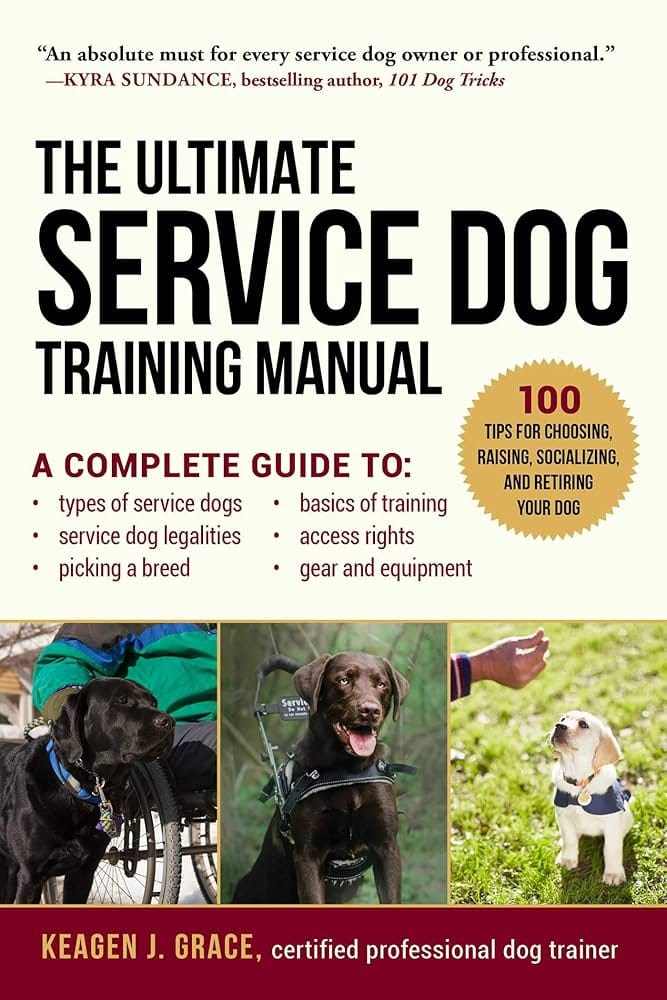
Service dogs are more than just pets; they are highly trained partners assisting individuals with disabilities in countless ways. The journey to becoming a service dog involves rigorous training that meets specific legal and functional requirements. This guide delves into the essential training components and expectations for these remarkable animals, ensuring they can confidently and reliably perform their vital tasks.
Understanding the Role of a Service Dog
Before exploring training requirements, it’s crucial to grasp what defines a service dog. Under the Americans with Disabilities Act (ADA), a service animal is defined as a dog that has been individually trained to do work or perform tasks for the benefit of an individual with a disability. This work must be directly related to the person’s disability. Tasks can include, but are not limited to, guiding the blind, alerting the deaf, pulling a wheelchair, alerting or protecting a person who is having a seizure, or calming a person with PTSD during an anxiety attack. Emotional support, therapy, and comfort animals do not qualify as service animals under the ADA.
Essential Training Components for Service Dogs
The training for a service dog is multifaceted, focusing on obedience, public access manners, and task-specific skills.
1. Foundational Obedience Training
This is the bedrock upon which all other service dog training is built. A service dog must possess impeccable obedience skills in all environments.
- Basic Commands: Mastery of commands like “sit,” “stay,” “down,” “come,” and “heel” is non-negotiable. These commands must be reliable even with distractions.
- Leash Manners: Service dogs must walk politely on a leash without pulling, lunging, or reacting to other animals or people. This ensures they are not a safety hazard or a nuisance in public.
- Recall: A perfect recall is critical. The dog must come immediately when called, regardless of environmental stimuli.
- “Leave It”: This command teaches the dog to ignore dropped food, distractions, or other tempting items on the ground, crucial for safety and maintaining focus.
2. Public Access Training and Manners
A service dog accompanies its handler in virtually all public places, making impeccable public manners paramount. This training ensures the dog is unobtrusive and well-behaved wherever they go.
- Environmental Desensitization: Service dogs must be comfortable and calm in a wide variety of settings, including crowded stores, restaurants, public transportation, medical facilities, and busy streets. This involves exposure to different sights, sounds, smells, and surfaces.
- Acceptance of Public Scrutiny: While handlers are not required to provide documentation or identify their dog as a service animal, the dog should not draw undue attention through disruptive behavior. They must remain calm and quiet, even when observed.
- Ignoring Distractions: This includes ignoring other animals, people, food, and novel objects. A service dog’s focus remains on their handler and their tasks.
- Appropriate Behavior in Enclosures: When not actively working, a service dog should be able to rest quietly under a table, chair, or in a designated space without disturbing others.
- Potty Training: Impeccable house training is essential. Service dogs are trained to eliminate only in designated areas, and accidents are extremely rare and immediately cleaned up.
3. Task-Specific Training
This is what differentiates a service dog from a highly trained pet. The tasks are tailored to the specific needs of the handler’s disability.
- Mobility Support: For individuals with mobility impairments, this can include tasks like retrieving dropped items, opening and closing doors, and providing balance support.
- Medical Alert: Dogs can be trained to detect subtle changes in a person’s physiology that indicate an impending medical event, such as a seizure, hypoglycemic episode, or allergic reaction. They alert their handler to take necessary action.
- Psychiatric Support: For individuals with psychiatric disabilities, tasks may include disrupting self-harming behaviors, providing deep pressure therapy during anxiety or panic attacks, or alerting to signs of distress.
- Hearing Assistance: Deaf or hard-of-hearing individuals rely on their dogs to alert them to important sounds, such as doorbells, alarms, telephones, or a baby crying.
- Visual Assistance: Guide dogs are trained to navigate obstacles, find paths, and guide their handlers safely around their environment.
Legal Considerations and Standards
While the ADA outlines the definition and rights of service animals, it does not mandate specific training certifications. However, reputable organizations and trainers adhere to high standards to ensure dogs are well-prepared.
- Handler-Dog Team: Training is a partnership. The handler must also be trained to manage, care for, and work with their service dog effectively. This includes understanding the dog’s signals and ensuring their well-being.
- Temperament: Service dogs must have a stable, reliable temperament. They should be confident, not fearful or aggressive, and able to handle stress.
- Health and Well-being: Service dogs must be healthy and fit for the tasks they perform. Regular veterinary care is essential.
The Importance of Professional Guidance
While some individuals may train their own service dogs, many find it beneficial or necessary to work with professional service dog trainers or organizations. These professionals have the expertise to assess a dog’s suitability, develop appropriate training plans, and ensure both the dog and handler are prepared for the demands of working as a team. This process often involves extensive [in home dog training minneapolis] and specialized [adult dog training classes] tailored to service animal roles.
Organizations that train service dogs often have long waiting lists due to the intensive nature of the training, which can take anywhere from six months to two years. This highlights the commitment and dedication required from both the dog and the people involved in the process. For those interested in the broader aspects of canine assistance, understanding [how to become a trainer for therapy dogs] can also offer insights into the dedication required in animal-assisted roles.
Conclusion
The Training Requirements For Service Dogs are extensive, demanding a high level of skill, dedication, and reliability. From foundational obedience and public access manners to complex task-specific skills, every aspect is crucial for ensuring these dogs can safely and effectively assist their handlers. The success of a service dog is a testament to the rigorous training, the handler’s commitment, and the unique bond they share, transforming lives one task at a time. The journey underscores the profound impact well-trained service dogs have on enhancing independence and quality of life for individuals with disabilities.
