
Discover the essential steps and expert tips for successfully training your dog to use pee pads. This guide covers everything from choosing the right pads to troubleshooting common issues, ensuring a cleaner home and a happier pet. Mastering training pee pads for dogs is a journey that requires patience, consistency, and a clear understanding of your dog’s needs.
The Basics of Pee Pad Training
House-training a dog is a fundamental aspect of responsible pet ownership. Pee pad training offers a convenient solution, especially for:
- Puppies: Young dogs have small bladdles and limited control, making pee pads a practical starting point.
- Small Breeds: Some small breeds may find outdoor potty breaks challenging in certain weather conditions.
- Apartment Dwellers: Limited outdoor access makes pee pads a vital tool for maintaining cleanliness.
- Senior or Ill Dogs: Dogs with mobility issues or health conditions may benefit from indoor potty solutions.
Why Choose Pee Pads?
Pee pads, also known as potty pads or training pads, are absorbent mats designed to capture your dog’s urine and feces. They offer several advantages:
- Convenience: Especially useful during inclement weather or for owners with busy schedules.
- Controlled Environment: Allows you to manage the potty process indoors.
- Gradual Transition: Can serve as an intermediate step before transitioning to outdoor potty training.
Getting Started: What You’ll Need
Before you begin, ensure you have the necessary supplies:
- High-Quality Pee Pads: Opt for absorbent pads with a waterproof backing to prevent leaks. Some pads have attractants to guide your dog.
- Enzymatic Cleaner: Essential for thoroughly cleaning accidents to eliminate odors that might attract your dog back to the same spot.
- Leash and Collar/Harness: For guiding your dog to the designated potty area.
- High-Value Treats: Small, delicious rewards to reinforce positive behavior.
- Designated Potty Area: Choose a quiet, easily accessible spot for the pee pad.
Step-by-Step Pee Pad Training
Consistency is key when training a dog to pee on a balcony or any indoor location using pee pads. Follow these steps:
- Choose a Location: Select a permanent spot for the pee pad, away from your dog’s food, water, and sleeping area. For apartment living, a balcony or a specific corner of a room works well.
- Establish a Routine: Take your dog to the pee pad frequently, especially:
- First thing in the morning.
- After waking up from naps.
- After playing.
- About 15-20 minutes after eating or drinking.
- Confine When Necessary: When you can’t supervise directly, confine your dog to a smaller area (like a crate or a playpen) with the pee pad. This helps prevent accidents and encourages them to use the pad.
- Positive Reinforcement: When your dog successfully eliminates on the pee pad, praise them enthusiastically and offer a high-value treat immediately. This creates a positive association with the pad.
- Handle Accidents Calmly: If you catch your dog in the act of having an accident, interrupt them with a gentle sound and immediately escort them to the pee pad. If they finish on the pad, praise them. If they don’t, don’t scold them. Clean the accident thoroughly with an enzymatic cleaner. Punishment can create fear and anxiety, hindering the training process.
- Gradually Increase Space: As your dog becomes more reliable, you can gradually expand their freedom in the house. Continue to take them to the pad on a regular schedule.
- Transitioning Outdoors (Optional): If your goal is to eventually have your dog potty outdoors, you can gradually move the pee pad closer to the door and then outside to the designated potty spot. Once outside, praise them for eliminating in the correct spot.
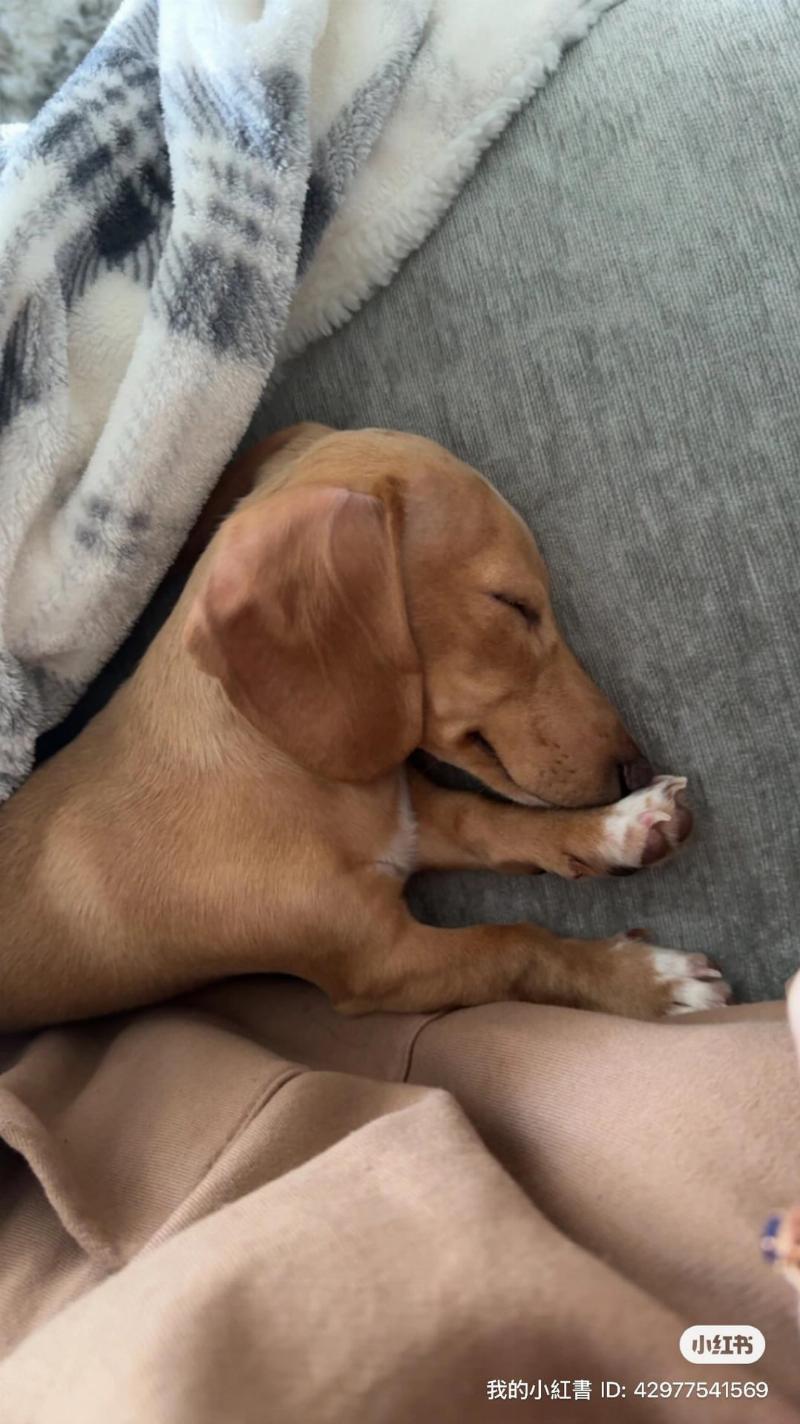 Adorable puppy using a pee pad indoors, signifying successful training.
Common Challenges and Solutions
Even with the best intentions, you might encounter a few hurdles:
- Dog Refuses to Use the Pad: Ensure the pad is in a quiet, consistent location. Try using a pad with an attractant. Some dogs prefer a specific texture, so experimenting with different brands might help. For those struggling with how to get puppy to use pee pad, revisiting the routine and increasing supervision is crucial.
- Accidents Outside the Pad: This often indicates a need for more frequent trips to the pad or a lapse in supervision. Go back to basics, increase your vigilance, and reinforce successful attempts heavily. Thoroughly cleaning accident spots is non-negotiable.
- Tearing or Chewing the Pads: Some dogs view pee pads as toys. Ensure they only have access to the pad when you are actively supervising or during designated potty times. Providing appropriate chew toys can help redirect this behavior.
- Inconsistent Success: Training takes time. Celebrate small victories and remain patient. If progress stalls, reassess your routine and reinforcement strategy. Consider consulting a professional trainer for personalized advice on getting your dog to pee outside or refining indoor training.
Advanced Tips for Success
- Consider Scent Attractants: If your dog is having a hard time, consider using a dog potty training spray or a pad infused with an attractant to guide them to the correct spot.
- “Potty Bells” Training: Hanging a bell on the door near the potty area and ringing it each time you take your dog out can help them associate the bell with elimination and signal when they need to go.
- Consistency is Paramount: Every member of the household must be on the same page regarding the training routine and reinforcement methods.
- Read Your Dog’s Signals: Learn to recognize your dog’s pre-potty signals, such as sniffing the ground, circling, or whining. These are cues to immediately take them to their pee pad.
Frequently Asked Questions (FAQ)
Q1: How long does pee pad training typically take?
A1: The duration varies greatly depending on the dog’s age, breed, and consistency of training. Some puppies may catch on within a week or two, while others might take a few months. Patience and consistency are crucial.
Q2: Can I use regular newspapers instead of pee pads?
A2: While newspapers can be used as a rudimentary training tool, dedicated pee pads are generally more absorbent, easier to manage, and designed specifically for this purpose, minimizing mess and odor.
Q3: My dog eats the pee pad. What should I do?
A3: This is a common issue. Ensure the pad is secured properly, and never leave your dog unsupervised with the pad if they tend to chew or eat it. Offer plenty of appropriate chew toys as an alternative.
Q4: How do I clean up accidents effectively?
A4: Always use an enzymatic cleaner specifically designed for pet stains. These cleaners break down the odor-causing molecules, preventing your dog from being attracted back to the spot. Avoid ammonia-based cleaners, as their smell can be similar to urine.
Q5: Is it okay to scold my dog for accidents?
A5: No, scolding is counterproductive. It can lead to fear and anxiety, making your dog hide their accidents or become reluctant to eliminate in front of you, even in the correct spot. Focus on positive reinforcement for successful pottying.
Conclusion: A Cleaner Home, A Happier Dog
Mastering training pee pads for dogs is a rewarding process that significantly improves your living environment and strengthens the bond with your canine companion. By understanding the basics, establishing a consistent routine, and using positive reinforcement, you can successfully guide your dog to use pee pads. Remember that every dog learns at their own pace, so celebrate every success and remain patient through any challenges. With dedication, you’ll achieve a cleaner home and a well-behaved dog.
