
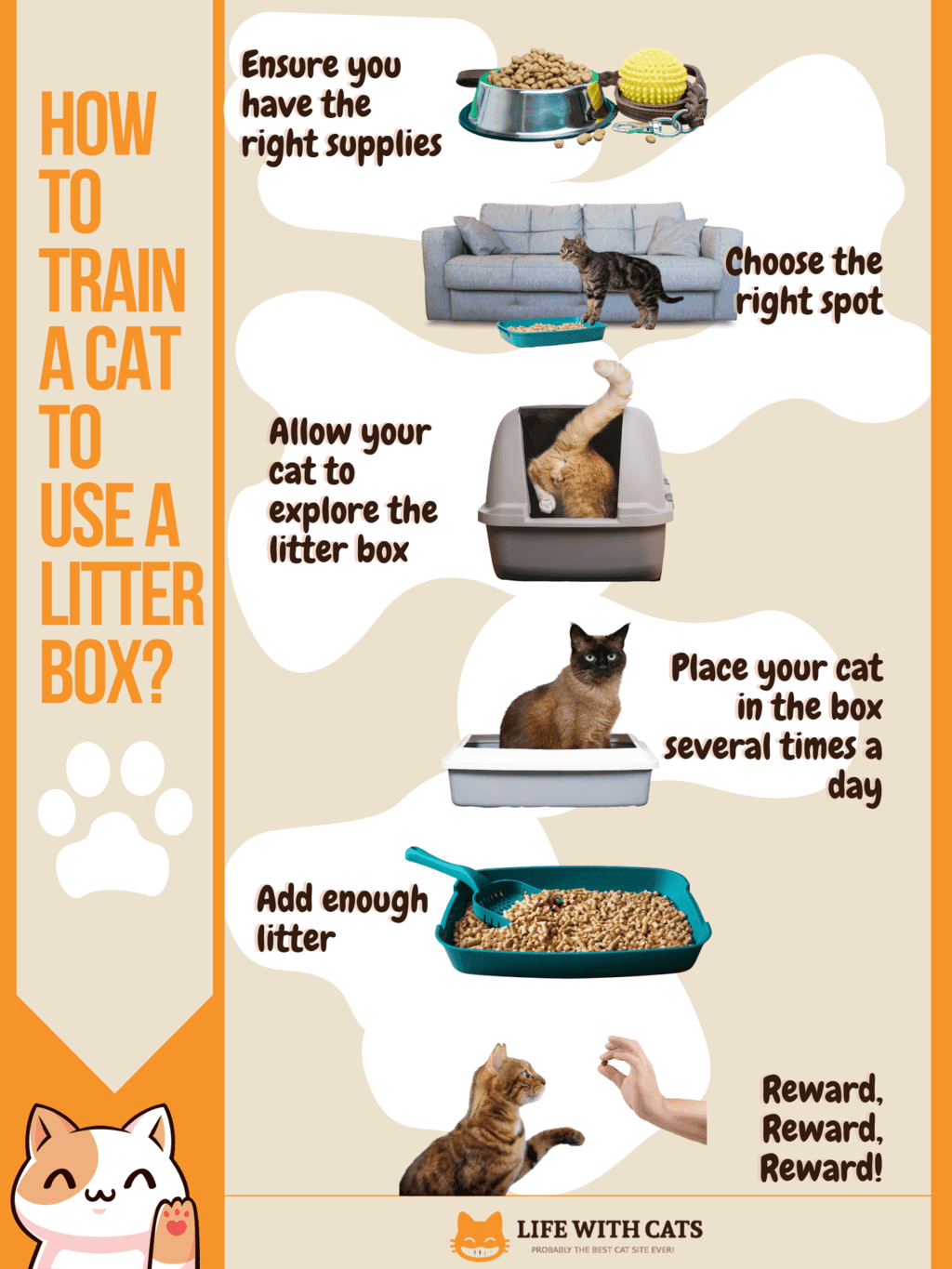
Bringing an outdoor cat into a more domestic setting, or even just encouraging them to use an indoor litter box, can seem like a challenge. Many outdoor cats are accustomed to relieving themselves in sand, soil, or other natural substrates. However, with patience and the right approach, you can successfully train your outdoor cat to use a litter box. This guide will walk you through the process, offering tips and solutions to common issues.
Understanding Why Outdoor Cats Hesitate with Litter Boxes
Outdoor cats have developed specific habits based on their environment. They often prefer to dig in loose soil or sand, which mimics natural burying behavior that helps conceal their scent from predators and other cats. Litter boxes, especially those with unfamiliar textures or scents, can be a stark contrast to their accustomed toileting areas. Additionally, the location and cleanliness of the litter box play a crucial role in a cat’s willingness to use it.
Preparing for Litter Box Introduction
Before you even introduce a litter box, consider the cat’s transition. If the cat is new to your home, allow them time to adjust to their new surroundings in a smaller, safe space.
Choosing the Right Litter Box
The type of litter box matters. For cats transitioning from outdoors, a larger, open litter box might be less intimidating than a covered one. This allows them to maintain a sense of awareness of their surroundings, which is crucial for their comfort. Consider a box with a lower entry point, especially if the cat is elderly or has mobility issues.
Selecting the Ideal Litter
The texture and scent of the litter are paramount. Many outdoor cats instinctively prefer unscented, clumping litter that mimics the feel of sand or soil. Avoid litters with strong perfumes, as these can be overwhelming and deter the cat. You can start with a litter that has a sand-like texture and gradually introduce other types if desired.
The Step-by-Step Training Process
Consistency and positive reinforcement are key to successfully train outdoor cat to use litter box.
Step 1: Gradual Introduction
Start by placing the litter box in an easily accessible, quiet location where the cat already spends some time. Don’t force the cat into the box. Instead, gently place them in it a few times a day, especially after meals or waking up, as these are common times for elimination.
Step 2: Positive Reinforcement
When the cat uses the litter box successfully, offer praise and a small, high-value treat immediately. This positive association will help them understand that the litter box is the desired place to go. Avoid any form of punishment, as this can create fear and anxiety, hindering the training process.
Step 3: Managing Accidents
Accidents are bound to happen. If you find a mess, clean it thoroughly with an enzymatic cleaner to eliminate any scent that might attract the cat back to the same spot. Do not scold the cat. Instead, calmly escort them to the litter box.
Troubleshooting Common Litter Box Issues
Even with the best efforts, challenges can arise. Here are some common problems and how to address them:
The Cat Ignores the Litter Box Entirely
- Problem: The cat may find the litter box unattractive due to its location, the type of litter, or the box itself.
- Solution: Try a different type of litter (e.g., sand-like texture), a different style of box (larger, open), or relocate the box to a more secluded but accessible area. Ensure the box is cleaned daily.
The Cat Digs Excessively or Plays in the Litter
- Problem: This can indicate boredom, anxiety, or that the litter texture is overly appealing.
- Solution: Ensure the cat has enough environmental enrichment, such as toys and climbing structures. If boredom is suspected, increase playtime. If the litter is too appealing, try a less granular litter.
The Cat Urinates or Defecates Near the Litter Box, But Not In It
- Problem: This often suggests that the litter box is not clean enough, or the cat dislikes the litter. It could also be a sign of a medical issue.
- Solution: Scoop the litter box at least once daily and completely change the litter regularly. Try a different litter. If the behavior persists, consult a veterinarian to rule out underlying health problems. This is a common issue when training an outdoor cat to use a litter box.
The Cat Scatters Litter Outside the Box
- Problem: This is a common issue with cats who like to dig vigorously.
- Solution: Invest in a larger litter box with high sides, or consider a litter box with a top cover or a mat placed in front of it to catch stray litter. Regular scooping also helps prevent over-enthusiastic digging.
Factors Influencing Training Success
Several factors can influence how quickly and effectively your outdoor cat adapts to using a litter box.
Age and Past Experiences
Kittens are generally easier to train, but adult cats can certainly learn. A cat with prior positive experiences with litter boxes will likely adapt more quickly than one who has always been strictly outdoors. How to house train a cat often depends on their previous experiences.
Stress and Environmental Changes
Any significant changes in the cat’s environment—a new home, a new pet, or even a change in routine—can cause stress. Stress can lead to inappropriate elimination. Providing a calm, predictable environment and maintaining the litter box’s cleanliness is vital during these times.
Medical Conditions
Sudden changes in litter box habits can sometimes signal an underlying medical issue, such as a urinary tract infection, kidney problems, or arthritis. If you notice any abrupt changes or other concerning symptoms, a veterinary check-up is essential.
Making the Transition Smooth
Encouraging an outdoor cat to use an indoor litter box is a process that requires understanding, patience, and consistency. By choosing the right equipment, employing positive reinforcement, and addressing challenges proactively, you can help your feline friend adapt to their new toileting habits and enjoy a comfortable life indoors. Remember, how to train cat to use kitty litter successfully is all about making the experience positive and stress-free for your pet.
