
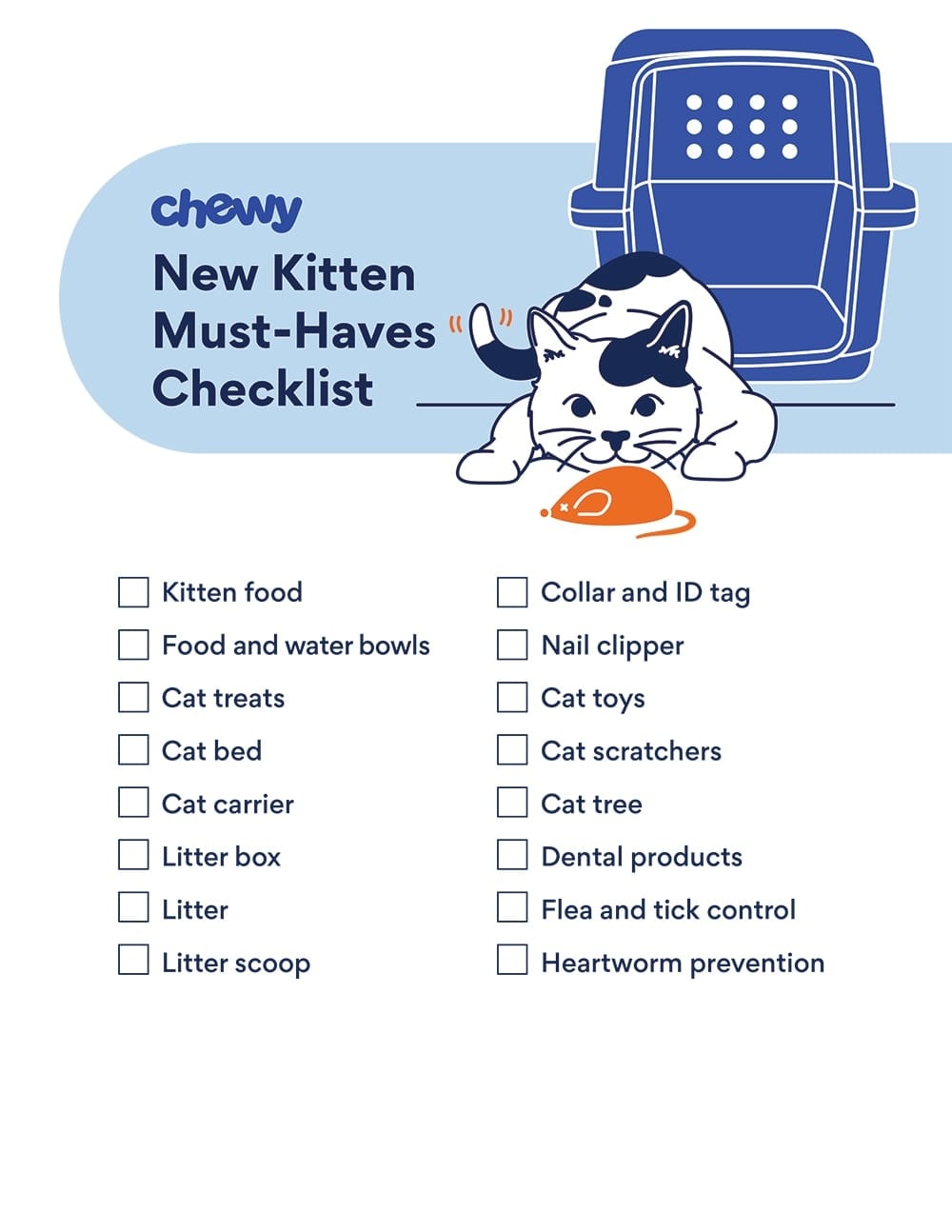
Bringing a new kitten home is an exciting experience, and teaching them good habits from the start will ensure a harmonious life together. This guide provides eight essential training tips for new kitten owners, covering everything from basic commands to socialization and proper etiquette. These techniques are designed to foster a strong bond between you and your feline companion while ensuring they grow into a well-behaved adult cat.
1. Teaching Your Kitten to Sit
One of the first commands you can teach your kitten is to sit. Start by saying “sit” as you lure your kitten into a sitting position with a treat. When their bottom touches the ground, immediately use a positive marker word like “yes” or “good job” and give them the treat. If your kitten tries to jump for the treat, withhold it until they are sitting. Consistency and positive reinforcement are key to success in teaching this basic behavior.
2. Encouraging Use of Bed and Crate
For your kitten to readily use their bed or a travel crate, positive association is crucial. You can start by placing your kitten’s meals inside their bed or crate. This encourages them to enter the space willingly and associate it with pleasant experiences, like eating. Over time, your kitten will feel more comfortable and secure using these designated areas.
3. Developing Socialization Skills
The critical socialization period for kittens occurs between 2 to 7 weeks of age. During this time, exposing your kitten to various people, animals, and new environments is vital. This helps prevent nervousness and anxiety later in life. Invite friends over, introduce them to your kitten, and consider supervised outings to pet-friendly places like markets, always making these experiences positive with toys and treats. Early socialization builds confidence and adaptability.
4. Teaching Safe Play Techniques
Kittens have abundant energy that can be channeled positively through play. However, it’s important to teach them appropriate play behavior. Never allow your kitten to use their claws or teeth on your skin. Instead, redirect this energy towards toys like balls, feather wands, or catnip-filled items. Playing with toys keeps your hands safe and teaches your kitten what is acceptable to “hunt” and play with.
5. Gentle Handling Practices
Kittens need to become accustomed to being handled in various ways, not just when they are comfortable. This is especially important for vet visits or when children want to interact. Gently hold your kitten in different positions and practice touching their sides, back, and legs. Gradually extend this to their ears, feet, gums, and teeth. Early desensitization to handling makes routine care, like ear cleaning or teeth brushing, much easier as they grow.
6. Litter Box Training Success
Litter training most kittens is remarkably straightforward, as they have a natural instinct to use a litter box. Simply place your kitten in the litter box to introduce them to it. If your kitten seems hesitant, sit with them in the box, offering gentle reassurance and treats. Allowing them to paw at the litter can also help them understand their natural inclination to dig and cover. This process taps into their innate behaviors for a smooth transition.
7. Proper Feeding Etiquette
Feeding your kitten solely cat-specific food at designated mealtimes is essential. Avoid feeding them from the dinner table, as this can lead to persistent begging and unhealthy eating habits. Furthermore, many human foods, such as raisins, grapes, chocolate, garlic, and onions, are toxic to cats. Establishing a routine for feeding ensures your kitten receives appropriate nutrition and learns to eat at designated times, rather than expecting food scraps.
8. Training a Kitten to Recognize Their Name
Teaching your kitten to respond to their name requires patience and consistency. Use their name every time you address them, ensuring they associate it with positive interactions. When your kitten looks at you or comes when called, use your clicker and offer a treat. This positive reinforcement helps them understand that their name means attention and rewards, making recall more reliable. For more insights into training, exploring resources on how to train my cat to be a lap cat can offer further guidance.
Training your kitten is a rewarding journey that strengthens your bond and helps them become a well-adjusted companion. By implementing these tips with consistency and positive reinforcement, you can ensure your kitten develops into a happy and confident adult cat. Remember that every kitten is an individual, so be patient and celebrate their successes along the way.
