
Bringing a dog into your life is a joyous occasion, filled with wagging tails and unconditional love. However, sometimes our canine companions exhibit behaviors that can be concerning, like biting. Understanding why dogs bite and how to effectively train them is crucial for a harmonious relationship. This guide will delve into the root causes of biting, offer practical training strategies, and emphasize the importance of patience and consistency.
Understanding Canine Biting Behavior
Biting in dogs isn’t usually an act of aggression but rather a form of communication or a reaction to specific stimuli. Recognizing the underlying reason for the bite is the first step toward correcting the behavior.
Common Reasons Dogs Bite
Dogs may bite for a variety of reasons, often stemming from fear, pain, or overstimulation. Understanding these triggers can help you prevent or address the behavior.
- Fear and Self-Defense: A dog that feels threatened, cornered, or is startled may bite as a way to protect itself. This is particularly common in dogs that have had negative experiences or lack proper socialization.
- Pain or Injury: If a dog is in pain, even a gentle touch can elicit a defensive bite. It’s essential to rule out any medical issues if a dog suddenly starts biting.
- Maternal Protection: A mother dog protecting her puppies can be highly protective and may bite if she perceives a threat.
- Resource Guarding: Dogs may guard their food, toys, or even their favorite spot on the couch. If a person or another animal approaches these valued resources, the dog might bite to keep them.
- Play Biting (Nipping): This is common in puppies and young dogs. They use their mouths to explore the world and play with littermates. While often playful, it can become problematic if not corrected, as their bites can still hurt.
- Overstimulation or Excitement: Sometimes, during intense play or when a dog is overly excited, they might accidentally nip or bite out of sheer exuberance.
The Difference Between Nipping and Aggressive Biting
It’s important to distinguish between playful nipping and aggressive biting. Nipping is often a mouthing behavior that can be redirected. Aggressive biting, however, usually comes with other body language cues like growling, snarling, stiff body posture, and flattened ears. If you suspect aggressive behavior, seeking professional help is paramount.
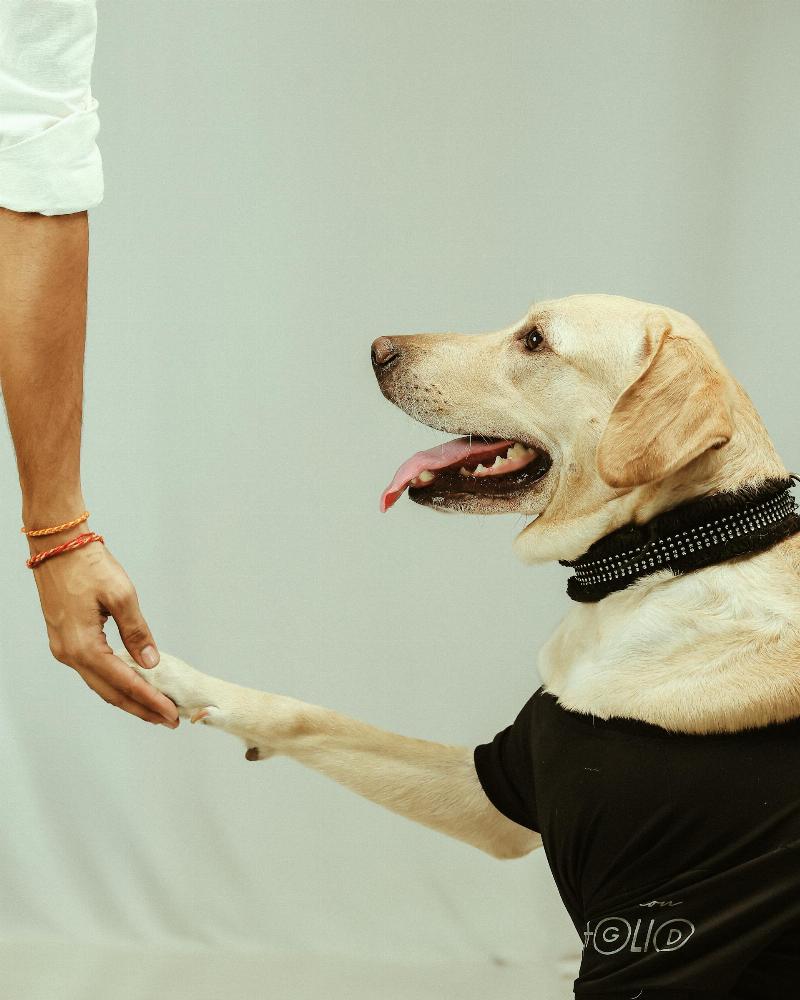 Understanding the reasons behind a dog's biting behavior is key to addressing it effectively.
Effective Training Strategies to Curb Biting
Training a dog not to bite requires patience, consistency, and a deep understanding of canine behavior. The goal is to teach your dog appropriate ways to interact and manage their impulses.
For Puppies and Play Biting
Play biting is a natural part of puppy development, but it needs to be managed.
- “Ouch!” Method: When your puppy nips too hard during play, yelp loudly (“Ouch!”) and immediately withdraw your hand or stop playing. This mimics how littermates react, teaching the puppy that hard bites end the fun.
- Redirection: If your puppy starts nipping at your hands or clothes, immediately redirect their attention to an appropriate chew toy. Praise them when they chew on the toy.
- Bitter Sprays: For persistent nippers, applying a pet-safe bitter-tasting spray to your hands or clothing can deter them from wanting to mouth you.
Addressing Resource Guarding
Resource guarding can be a more serious issue and requires careful management.
- Counter-Conditioning and Desensitization: Gradually associate the presence of people or other dogs with positive experiences. Start by dropping high-value treats near the dog’s resource when no one is approaching. As the dog becomes more comfortable, you can progress to tossing treats when someone walks by at a distance.
- “Leave It” and “Drop It” Commands: Teach your dog these commands reliably. Start by practicing with less valuable items and gradually increase the difficulty. When your dog obeys, reward them generously. This teaches them that relinquishing an item can lead to a better reward.
- Trading Up: If your dog is guarding an item, offer them something even more valuable in exchange. This teaches them that giving up something doesn’t mean losing it forever but rather getting something better.
If resource guarding is severe or you are struggling to manage it, consult a professional dog trainer or behaviorist.
Managing Fear-Based Biting
Fear-based biting is a complex issue that often requires professional intervention.
- Avoidance: Initially, avoid situations that trigger your dog’s fear. This means not forcing them into interactions or environments that make them uncomfortable.
- Positive Reinforcement: Work with a qualified trainer to gradually expose your dog to their triggers at a distance where they feel safe. Reward calm behavior with treats and praise. The goal is to change their emotional response from fear to neutrality or even enjoyment.
- Building Confidence: Engage in activities that build your dog’s confidence, such as obedience training, agility, or scent work. A more confident dog is often less fearful.
Overcoming Overstimulation
When a dog becomes overstimulated, they can sometimes bite.
- Recognize Early Signs: Learn your dog’s subtle signals that indicate they are becoming overwhelmed. These might include lip licking, yawning, whale eye (showing the whites of their eyes), or increased panting.
- Intervene Early: If you see these signs, calmly interrupt the activity. Give your dog a break, move them to a quieter space, or engage them in a simple, calming activity like a gentle massage.
- Provide Mental and Physical Exercise: A tired dog is often a well-behaved dog. Ensure your dog gets enough appropriate exercise and mental stimulation throughout the day. This can prevent pent-up energy from leading to overstimulation.
The Importance of Professional Guidance
While many mild biting issues can be addressed with consistent training at home, some situations warrant professional help. If your dog displays signs of true aggression, has bitten someone hard, or you feel you’re not making progress, don’t hesitate to seek assistance from a certified professional dog trainer or a veterinary behaviorist. They can assess the specific situation, identify the root cause, and develop a tailored behavior modification plan. Working with a professional can ensure the safety of your family, friends, and the dog itself.
Building Trust and a Stronger Bond
Training your dog not to bite is not just about behavior modification; it’s about building a stronger, more trusting relationship.
- Consistency is Key: Ensure all household members are on the same page with training methods and rules. Inconsistency can confuse your dog and hinder progress.
- Positive Reinforcement: Always focus on rewarding desired behaviors rather than punishing unwanted ones. Positive reinforcement builds trust and encourages your dog to repeat good actions.
- Understanding Dog Body Language: Learning to read your dog’s signals is fundamental. It allows you to anticipate potential problems and intervene before a bite occurs. For example, understanding when your dog is feeling uncomfortable or anxious is critical.
- Socialization: Proper socialization from a young age helps dogs become comfortable and confident around different people, animals, and environments. This reduces the likelihood of fear-based biting. You can find resources on proper socialization techniques, similar to how one might approach dog training keene nh by seeking out local, reputable trainers.
Remember, every dog is an individual, and training takes time. Celebrate small victories and remain patient. With the right approach, you can help your dog overcome biting tendencies and foster a lifetime of companionship. If you’re wondering about specific training scenarios, like whether can i take my dog on train with these behaviors, professional advice is always recommended.
Frequently Asked Questions (FAQ)
Q1: How quickly can I expect to see results in training my dog not to bite?
A1: Progress varies greatly depending on the dog’s age, breed, history, and the underlying cause of the biting. Some mild issues may improve within weeks, while more complex behavioral problems can take months or even longer with consistent effort.
Q2: Are certain breeds more prone to biting?
A2: While any dog can bite, breed tendencies can influence behavioral predispositions. However, individual temperament, training, and socialization play a much larger role than breed alone. Responsible ownership and training are key for all dogs.
Q3: What should I do if my dog bites someone?
A3: Prioritize the well-being of the person bitten. Provide apologies and offer to cover any medical expenses. Seek immediate professional help from a veterinarian or a certified dog behaviorist to address the biting issue and prevent future incidents.
Q4: Can I still train my dog if it has a biting history?
A4: Yes, absolutely. Many dogs with a biting history can be successfully retrained, especially with the guidance of a professional. The focus will be on addressing the root cause, building trust, and implementing strict management and behavior modification protocols.
Q5: Is it ever too late to train a dog not to bite?
A5: It is rarely too late to start training. However, older dogs with deeply ingrained behaviors or a history of severe aggression may require more intensive and specialized intervention. Patience and realistic expectations are crucial.
Conclusion: Fostering a Bite-Free and Loving Home
Training your dog not to bite is an investment in your relationship and the safety of those around you. By understanding the reasons behind biting, implementing consistent positive reinforcement training, and seeking professional help when needed, you can effectively manage and overcome these challenges. Remember, a well-trained dog is a happy dog, and a happy dog contributes to a loving and peaceful home. Embrace the journey of training your dog, celebrating every step towards a stronger bond, and ensuring your furry friend becomes a well-behaved member of your family.
