
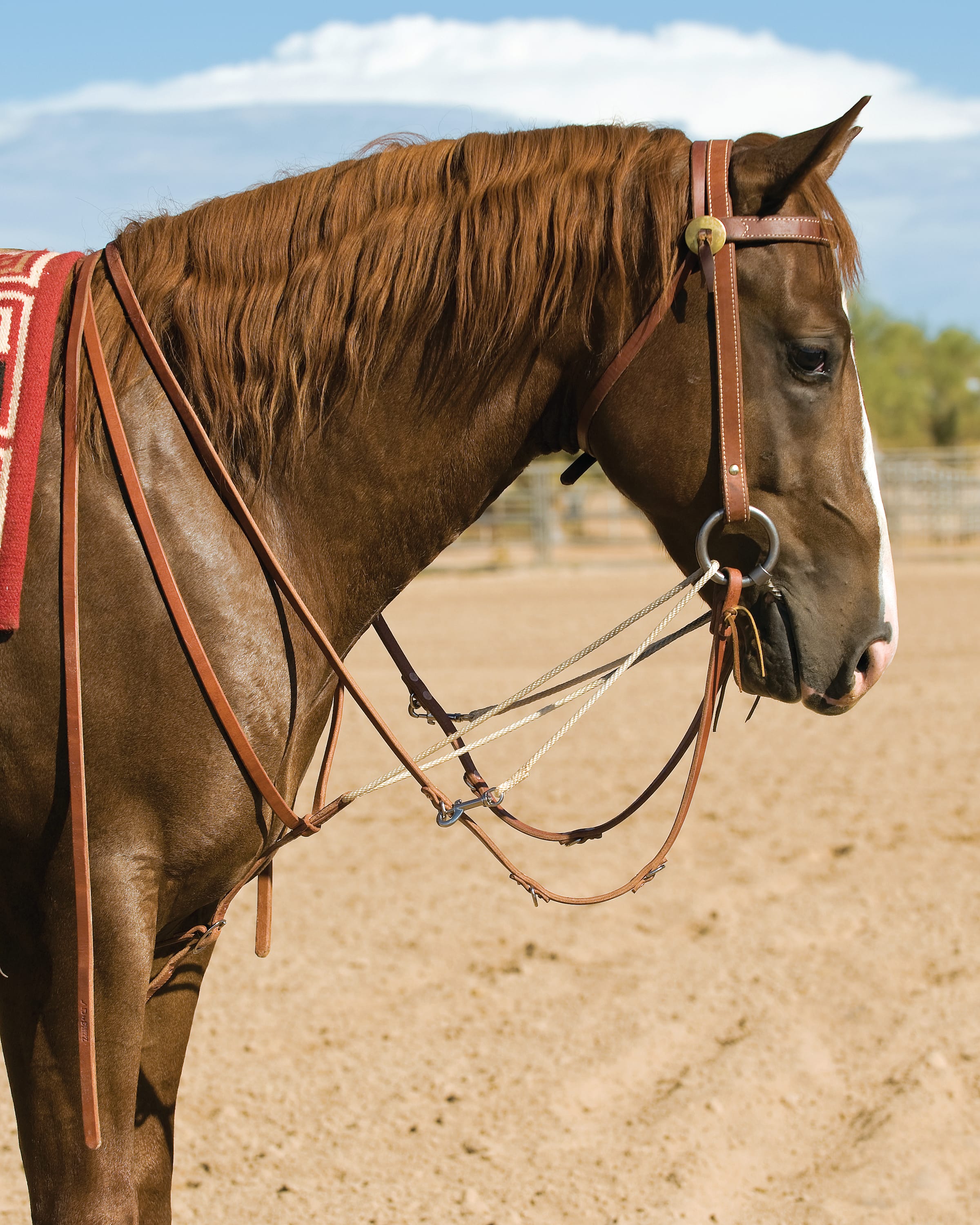
Training leads, often referred to as longe lines or lunge whips, are indispensable tools for any horse trainer or owner. They serve as a crucial extension of the handler’s arm, facilitating communication, control, and a deeper understanding between human and equine. Whether you’re starting a young horse, refining an experienced steed’s responsiveness, or simply engaging in groundwork, the right training lead can make a significant difference in the effectiveness and safety of your sessions. Understanding the nuances of different types of leads, their applications, and how to use them correctly is key to unlocking their full potential.
The Versatile World of Training Leads
The primary function of a training lead is to establish a clear and consistent line of communication with your horse from a distance. This is particularly important during groundwork, where the handler guides the horse’s movement, focus, and rhythm without direct physical contact. Think of it as a way to “speak” to your horse using body language amplified by the lead.
Types of Training Leads and Their Uses
While the term “training lead” can encompass various tools, it most commonly refers to a long, flexible line used for lunging or groundwork.
Longe Lines: These are typically flat, woven nylon or biothane lines, ranging from 20 to 45 feet in length. They are ideal for lunging, allowing the horse to move in a large circle around the handler. The length provides enough space for the horse to trot or canter while maintaining a safe distance from the handler. Many longe lines feature a snap at one end for attachment to the horse’s halter or a specialized lunging cavesson.
Rope Halter Leads: Made from soft, braided rope, these leads are often used in conjunction with rope halters. Their softer material can provide a more direct feel and are favored by some trainers for their sensitivity. They are versatile and can be used for leading, tying, and groundwork.
Training Whips (Lunge Whips): While not a “lead” in the traditional sense, a lunge whip is often used in conjunction with a longe line. It acts as an extension of the handler’s arm, used to encourage forward movement or to help define the circle. It’s crucial to understand that the whip should never be used for striking or punishing the horse; its purpose is to create a clear signal, much like a pointed finger or a subtle shift in the handler’s body.
Connecting Training Leads to Horse Training Principles
The use of training leads is deeply intertwined with core principles of effective horse training, particularly those emphasizing clarity, consistency, and positive reinforcement.
Clarity of Aids: A training lead helps the handler apply clearer aids. For instance, by creating slight tension on the longe line and using the whip to encourage forward motion, the handler communicates a request for the horse to move forward and maintain a circle.
Building Trust and Responsiveness: Consistent and fair use of training leads can build trust. When a horse understands the signals and responds willingly, it strengthens the bond between horse and handler. This is especially true in connection training, which focuses on building a strong partnership. connection training the heart and science of positive horse training
Developing Respectful Boundaries: Groundwork with a training lead helps establish the handler as the clear leader. This isn’t about dominance, but about mutual respect and understanding of roles. This concept is also seen in approaches like mc horse training, which emphasizes clear leadership.
Safety and Control: For young or untrained horses, a training lead provides an essential layer of safety. It allows the handler to maintain control if the horse spooks or becomes unruly, preventing dangerous situations for both horse and rider. This is a foundational aspect of good horsemanship, much like understanding neck rope horse training for different handling techniques.
Mastering the Art of Using Training Leads
Simply owning a training lead isn’t enough; knowing how to wield it effectively is paramount. This involves understanding the horse’s body language, using subtle cues, and always prioritizing the horse’s well-being.
Essential Techniques for Groundwork
When using a longe line, the handler typically stands in the center of the circle, holding the line with a slight bend at the elbow. The goal is to keep the line relatively straight but not taut, allowing the horse freedom of movement while maintaining contact.
Encouraging Forward Movement: A gentle flick of the wrist or a slight increase in line tension, combined with a verbal cue (“walk on”), can encourage the horse to move forward. The lunge whip, if used, is typically held low and swung gently forward in the direction of travel, acting as a visual cue.
Asking for a Halt: To ask the horse to stop, the handler brings the line up slightly and turns their body to face the horse, creating a visual block. A calm verbal cue like “whoa” is also essential.
Changing Direction: To change the horse’s direction, the handler will step to the side and use the line to gently ask the horse to turn towards them.
Asking for Gaits: Different levels of tension and body language cues can be used to ask the horse to move from a walk to a trot, or from a trot to a canter. Consistency is key here, as the horse learns to associate specific signals with specific requests.
Safety First: Best Practices
Choose the Right Equipment: Ensure your training lead is in good condition, with no fraying or worn areas. The snap should be secure. If using a lunge whip, ensure it’s appropriately sized and balanced for you.
Wear Appropriate Clothing: Closed-toe shoes or boots are essential to protect your feet. Long pants can offer some protection against accidental contact with the whip or line.
Maintain a Safe Distance: Always be aware of your horse’s space and potential reactions. Keep your body out of the direct line of the horse’s hooves.
Use Verbal Cues Consistently: Pair your physical aids with clear, consistent verbal cues. This helps the horse understand your requests more easily.
End on a Positive Note: Always aim to finish your training sessions with a positive experience for the horse. Ask for something they can do successfully and reward them with praise.
Addressing Common Challenges and Advanced Applications
As trainers gain experience, they may encounter specific challenges or want to explore more advanced applications of training leads.
Dealing with Resistance or Spooking
If a horse refuses to move forward, instead of resorting to force, try to understand why. Is the horse confused, fearful, or just testing boundaries? Sometimes, a slight change in your body language or a more encouraging tone can make the difference. If a horse spooks, the immediate reaction should be to regain control of the line and ensure safety, then address the cause of the fear calmly. This might involve desensitization exercises.
Advanced Lunging Techniques
Beyond basic circles, training leads can be used for more complex exercises:
- Figure Eights: This helps develop suppleness and balance.
- Serpentines: Encourages responsiveness to subtle aids and helps improve the horse’s understanding of directional changes.
- Transitions: Practicing upward and downward transitions between gaits on the longe line can be excellent preparation for riding.
Experienced trainers might even use specialized techniques like those discussed by john morrison horse trainer, who often emphasizes building a solid foundation through groundwork. The principles of force free horse training are central to using these tools ethically and effectively.
The Importance of Patience and Consistency
Ultimately, the success of training leads lies not just in the tool itself, but in the handler’s approach. Patience, consistency, and a deep understanding of equine behavior are non-negotiable. Each session with a training lead is an opportunity to deepen the relationship with your horse, building a partnership based on trust, respect, and clear communication. By mastering these essential tools, you contribute to a more harmonious and effective equestrian experience for both yourself and your equine partner.
