
The journey of horsemanship is deeply intertwined with the communication and bond between human and horse. At the heart of this connection lies effective groundwork, and the training lead rope is an indispensable tool in this process. More than just a simple tether, a well-chosen and properly utilized lead rope is a conduit for clear instruction, a means to build trust, and a critical component in ensuring the safety and well-being of both horse and handler. Whether you’re a seasoned professional or just beginning your equestrian adventures, understanding the nuances of Training Lead Ropes For Horses can significantly enhance your training effectiveness and deepen your partnership with your equine companion.
The Essential Role of Lead Ropes in Horse Training
Lead ropes are fundamental to virtually every aspect of horse handling and training. They serve as an extension of your physical connection, allowing you to guide, direct, and control your horse from the ground with precision. From the initial stages of leading a foal to complex desensitization exercises and preparing for ridden work, the lead rope facilitates a two-way dialogue. It’s through the subtle cues and consistent application of pressure and release on the lead rope that horses learn boundaries, respond to commands, and develop confidence in their handlers. Without this essential piece of equipment, effective and safe groundwork would be virtually impossible.
Understanding Different Types of Training Lead Ropes
The market offers a variety of training lead ropes, each with specific characteristics suited for different purposes and preferences. Selecting the right one can make a significant difference in your training experience.
Material:
- Cotton: Often favored for its softness and traditional feel. Cotton ropes are generally comfortable to handle but can be prone to fraying and may absorb moisture, becoming heavier.
- Nylon/Polypropylene: These synthetic materials are durable, resistant to rot and mildew, and easy to clean. They offer a good grip and come in various thicknesses and weaves.
- Biothane/Beta Bio-Thane: A synthetic leather-like material that is waterproof, easy to clean, and offers excellent grip, even when wet. It’s a popular choice for its durability and low maintenance.
Length: Standard lengths typically range from 7 to 12 feet.
- Shorter ropes (7-9 feet) offer more control for close-quarters work, such as grooming or teaching basic commands.
- Longer ropes (10-12 feet) are beneficial for exercises requiring more space, like longeing or teaching the “over, under, through” obstacle training for horses, allowing the horse more freedom to move while still maintaining a connection.
Weave/Construction:
- Woven/Braided: These ropes offer a comfortable grip and good flexibility. The type of weave can affect the rope’s stiffness and durability.
- Rope Core: Some ropes have a core for added strength and reduced stretch.
Hardware: The clasp or snap at the end of the lead rope is crucial.
- Bolt Snap: A common and secure option.
- Trigger Snap: Offers quicker release but might be less secure under constant tension.
- Bull Snap: A simple, durable option.
- Hardware Material: Brass, nickel-plated steel, or stainless steel are common. Ensure the hardware is strong, corrosion-resistant, and functions smoothly.
Key Considerations When Choosing a Lead Rope
When selecting training lead ropes for horses, several factors should guide your decision. Your personal comfort and grip are paramount. A rope that feels secure in your hand, even if your palms get a little sweaty, is essential for maintaining control. Consider the size and strength of your horse; a larger, stronger horse will require a more robust rope and hardware.
Think about the specific training activities you’ll be undertaking. For basic handling and everyday use, a versatile 8-10 foot nylon rope might be ideal. For more advanced groundwork or longeing, a slightly longer rope could be advantageous. Durability and ease of cleaning are also important practical considerations, especially if you’re training in various weather conditions or need to maintain a high standard of hygiene. Investing in quality training lead ropes means investing in safer and more effective training sessions.
Effective Techniques Using Training Lead Ropes
The lead rope is a tool for communication, and like any communication tool, its effectiveness depends on how skillfully it’s used. Consistent application of pressure and release is the cornerstone of groundwork.
The Art of Pressure and Release
This fundamental training principle involves applying gentle, steady pressure to the lead rope to cue a desired response from the horse. For instance, to encourage a horse to move forward, you might apply slight backward pressure on the lead rope. The moment the horse takes a step forward, you immediately release the pressure. This release signals to the horse that they have done the correct thing, reinforcing the desired behavior. Over time, the horse learns to anticipate the release and responds more readily to lighter cues.
- Forward Movement: Apply backward pressure on the lead rope, releasing the instant the horse steps forward.
- Stopping: Apply steady backward pressure, releasing when the horse stops.
- Yielding to Pressure (Side-Passing): Apply sideways pressure, releasing when the horse takes a step in that direction.
- Turning: Apply pressure on the lead rope to guide the horse’s head in the direction you want to turn, releasing as they move.
Leading Your Horse Safely and Effectively
Proper leading technique is crucial for safety and establishing your leadership.
- Positioning: Stand to the side of your horse’s shoulder, not directly in front or behind. This allows you to see their reactions and maintain control.
- Grip: Hold the lead rope with a comfortable but firm grip, taking up any slack. Avoid coiling the rope around your hand, as this can cause injury if the horse pulls suddenly.
- Requesting Movement: Use a clear cue, such as a soft cluck or a gentle tug on the lead rope, to ask your horse to move forward.
- Walking: Maintain a steady pace. If the horse lags, apply gentle pressure; if they surge ahead, apply pressure to stop them. Always release pressure when they respond correctly.
- Navigating Obstacles: Approach gates, narrow spaces, or turns with confidence, using the lead rope to guide your horse smoothly.
Longeing Basics with a Lead Rope
While a dedicated longe whip and line are standard for longeing, a long training lead rope can be used for introductory longeing exercises, particularly with younger or less experienced horses. This allows the horse to move in a controlled circle around you, building their responsiveness to voice commands and subtle changes in your body language. The key is to maintain a consistent, relaxed circle, using your voice and gentle changes in lead rope tension to guide the horse. It’s important to ensure you have ample space and that the horse is comfortable with the concept before advancing to a full longe line. For those interested in more formal training, exploring resources on horse training step by step can provide structured approaches.
Advanced Groundwork and Specialty Ropes
As you and your horse progress, you might explore more specialized training techniques that utilize different types of ropes or modified lead ropes.
The Role of Halters and Lead Ropes Together
Halters provide a secure point of contact on the horse’s head, and when paired with a lead rope, they form the primary system for ground control. The halter distributes pressure across the horse’s nose and poll, allowing for more nuanced communication than a bit might on a ridden horse. Training lead ropes are often attached to a variety of halter types, from traditional flat nylon or leather halters to more specialized rope halters, which are designed to provide more direct and precise feedback through targeted pressure points. Learning to use these combinations effectively is a hallmark of skilled horsemanship.
Using Rope Halters for Precision Training
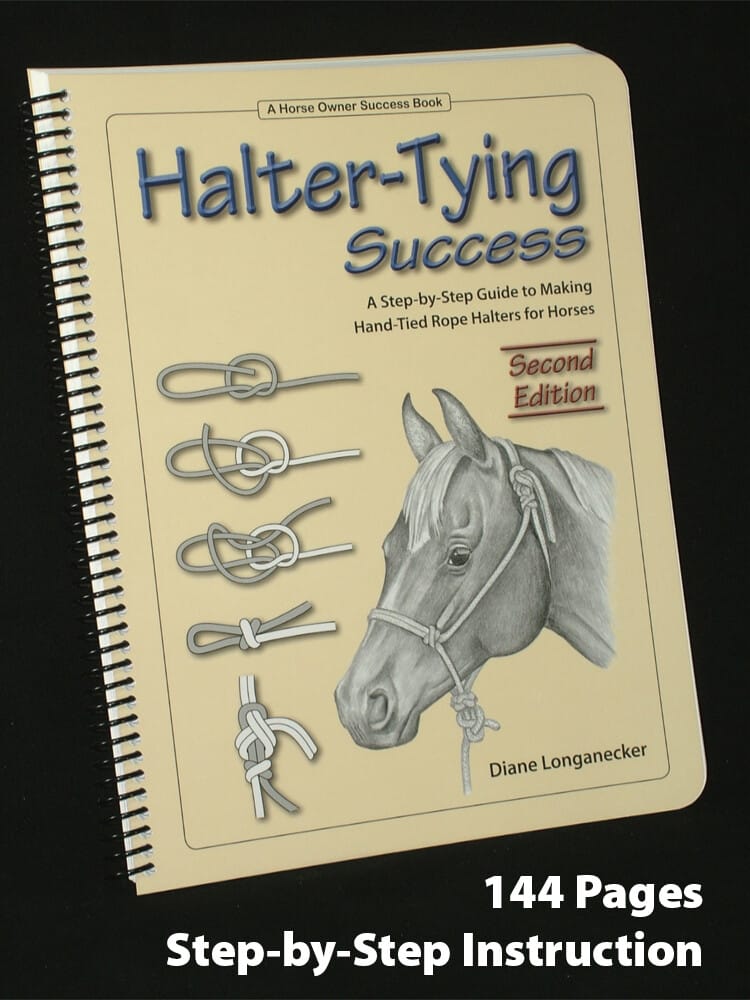
Rope halters, often used in natural horsemanship approaches, are designed with a series of knots that apply pressure to specific points on the horse’s head when the lead rope is engaged. This allows for very precise communication and is particularly effective for sensitive horses or for teaching advanced maneuvers. When used correctly, rope halters encourage the horse to yield to pressure willingly, fostering a deeper understanding and responsiveness. However, they require a knowledgeable handler, as improper use can be uncomfortable or even detrimental to the horse. If you’re considering exploring these methods, looking into horse training clubs or clinics can offer valuable guidance.
Safety First: Best Practices with Lead Ropes
Safety should always be the top priority when working with horses, and lead ropes play a significant role in this.
Preventing Accidents and Injuries
- Always maintain awareness: Be aware of your horse’s mood and the environment around you.
- Proper grip: Never wrap the lead rope around your hand or wrist. Use a relaxed but firm grip, ready to release instantly.
- Secure equipment: Ensure the halter fits correctly and the snap is securely fastened. Regularly check for wear and tear on both the halter and the lead rope.
- Sufficient space: Work in an area free from hazards and with enough room for you and your horse to move safely.
- Appropriate footwear: Wear sturdy, closed-toe boots to protect your feet.
Maintaining Your Training Lead Ropes
Well-maintained equipment is safer and lasts longer.
- Cleaning: Wash nylon and Biothane ropes with mild soap and water. Cotton ropes may require more thorough cleaning and drying to prevent mildew.
- Inspection: Regularly inspect ropes for fraying, cuts, or worn spots, especially near the snap and any knots. Discard any damaged ropes immediately.
- Storage: Store ropes loosely coiled in a dry place, away from direct sunlight and potential damage.
Conclusion: The Lead Rope as a Partner in Partnership
The training lead rope is far more than a simple accessory; it’s a vital instrument in building a strong, trusting relationship with your horse. By understanding the different types available, mastering effective communication techniques, and always prioritizing safety, you can transform your groundwork sessions. Whether you’re navigating the initial steps of handling young horses, refining advanced maneuvers, or simply ensuring safe passage around the stable, the humble lead rope stands as a testament to the power of clear, consistent, and compassionate communication in the world of equine excellence. Embracing the principles of good horsemanship, supported by the right equipment like quality training lead ropes for horses, paves the way for a fulfilling and harmonious partnership.
