
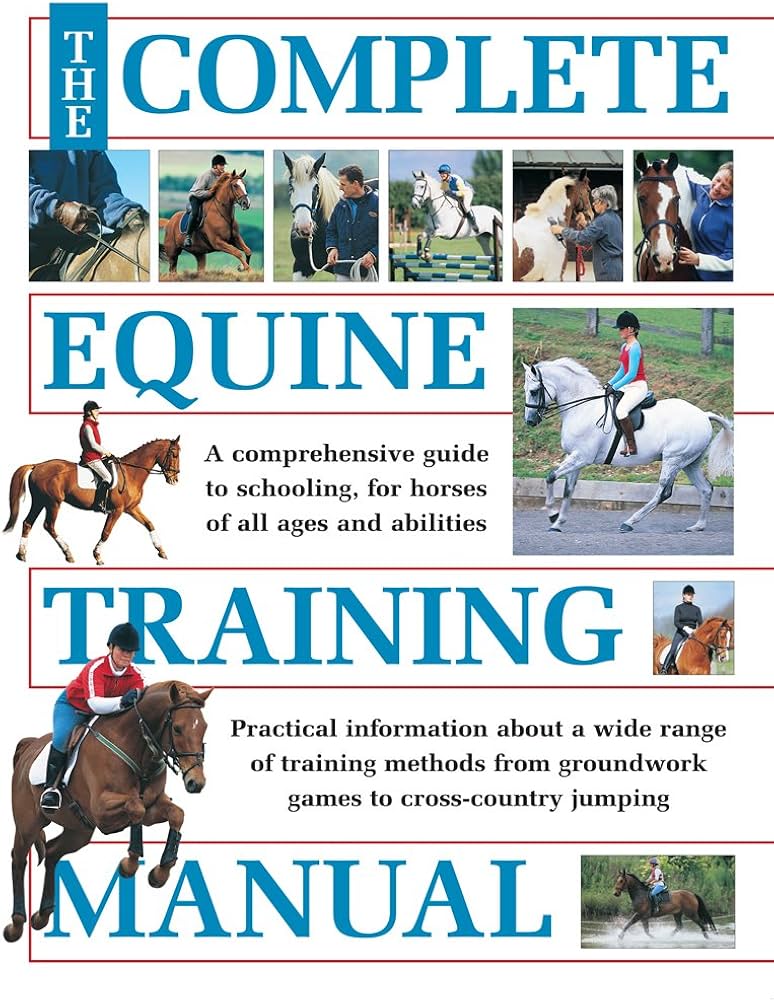
Embarking on the journey of Training Horses To Ride is one of the most rewarding experiences an equestrian can have. It’s a process built on trust, communication, and a deep understanding of the horse’s psychology. This isn’t just about teaching an animal to carry a person; it’s about forming a partnership where both horse and rider feel confident, safe, and connected. Whether you’re starting a young horse or retraining an older one, the fundamental principles remain the same: patience, consistency, and a commitment to the horse’s well-being.
This process is a delicate dance between instinct and instruction. It requires you to become a student of the horse before you can become its teacher. Understanding how they learn, what motivates them, and what frightens them is the bedrock of all successful training. This foundational work is crucial, as the first lessons a horse learns about being ridden will shape its attitude under saddle for the rest of its life. A thoughtful approach ensures you develop a willing partner, not just a compliant animal. For a deeper dive into the relationship dynamics, understanding the concepts behind horse leadership training can provide invaluable insights.
The Philosophy: Before You Begin
Before a saddle ever touches a horse’s back, the real training has already begun. The relationship you build on the ground is the single most important factor in the entire process. A horse that trusts and respects its handler on the ground is far more likely to accept them on its back. This phase is all about establishing clear communication and leadership.
Think of it as learning a new language—a language of body pressure, release, and intention. Your horse needs to understand what you’re asking of it and, just as importantly, trust that you will not put it in a dangerous situation. This is where patience is paramount. Every interaction, from leading to grooming, is a training opportunity. These moments build a “bank account” of trust that you will draw from when you introduce more challenging concepts, like the saddle and rider.
“The horse is a mirror to your soul. Sometimes you might not like what you see. Sometimes you will.” – Buck Brannaman
This quote perfectly encapsulates the idea that horse training is as much about self-awareness as it is about teaching the horse. Your energy, confidence, and clarity directly impact the horse’s response.
Essential Groundwork: The Foundation
Groundwork is the alphabet of your new language. It consists of a series of exercises designed to teach your horse to respond to cues, yield to pressure, and control its own body. These exercises are not just about obedience; they build the horse’s physical and mental suppleness.
Key groundwork exercises include:
- Leading Politely: The horse should walk calmly beside you, stopping when you stop, and respecting your personal space without pulling or lagging behind.
- Yielding to Pressure: Teaching the horse to move away from steady, gentle pressure from your hand or a tool. This includes moving its hindquarters, forequarters, and stepping sideways. This is the precursor to responding to leg and rein cues under saddle.
- Lungeing: Asking the horse to move around you in a circle in both directions at various gaits (walk, trot, canter). This teaches voice commands, builds fitness, and allows you to observe the horse’s movement and balance.
- Desensitization: This involves systematically and calmly exposing the horse to potentially scary objects, such as saddle pads, ropes, and plastic bags. The goal is to teach the horse to stand still and trust you rather than reacting with fear.
A solid groundwork foundation makes the transition to riding infinitely smoother and safer. It ensures the horse understands the basic mechanics of pressure and release that will be used later. The skills developed are directly transferable, making the process of training the horse and rider a more cohesive experience.
Step-by-Step: From Ground to Saddle
Once your horse is confident and responsive on the ground, you can begin introducing the equipment and concepts of riding. This phase must be done slowly, always watching the horse for signs of anxiety or confusion.
Introducing the Saddle and Bridle
Start by introducing the saddle pad. Let the horse sniff it, then gently place it on its back, rewarding it for standing still. Repeat this process until the horse is completely bored with the pad. Do this on both sides.
Next, introduce the saddle itself. Again, let the horse investigate it before placing it gently on its back. Don’t cinch it up immediately. Simply let the horse get used to the weight and feel of it. Once the horse is calm, you can secure the cinch, but only loosely at first. Gradually tighten it over several sessions, leading the horse around and allowing it to get used to the sensation of the saddle moving with it. The same principles of slow, calm introduction apply to the bridle.
First Mounting and Weight Bearing
Before you get on, the horse needs to accept weight in the stirrup and on its back. Start by putting light pressure in one stirrup. Progress to putting your full weight in the stirrup while standing beside the horse. The goal is for the horse to stand perfectly still without reacting.
You can also lean over the saddle from the side, putting weight across the horse’s back without actually mounting. Rub the horse on the opposite side to reassure it. Do this from both sides until the horse is completely comfortable.
The First Ride: Cues and Balance
For the first few rides, the goal is simple: have the horse walk forward calmly and stop. Don’t worry about steering yet. Have a helper on the ground to lead the horse if necessary. Your job as the rider is to be as quiet and balanced as possible, rewarding the horse for any attempt to walk forward calmly.
Keep these first sessions extremely short—just a few minutes is plenty. Always end on a positive note. As the horse gains confidence, you can begin to introduce simple steering cues, using the same pressure-and-release principles learned on the ground. This initial process is fundamental across disciplines, though specialized approaches exist for breeds like the hackney horse training which requires specific techniques for its distinct gait.
How Long Does It Take to Train a Horse?
This is the most common question, and the answer is always the same: it depends. It depends on the horse’s age, temperament, and past experiences. It also depends on the trainer’s skill and the amount of time dedicated to the process. A young, confident horse with a skilled trainer might be walking, trotting, and cantering under saddle in 60 to 90 days. However, a more timid horse or one with a difficult past may take much longer.
Rushing the process is the biggest mistake a trainer can make. It creates anxiety and resistance, which can lead to dangerous behaviors and sour the horse’s attitude towards work. The horse’s mental and emotional state dictates the timeline.
Common Challenges and Solutions
Every horse presents unique challenges. Here are a few common issues and how to approach them:
- Barn Sour / “Nappy” Behavior: The horse refuses to leave the barn or its friends. This often stems from insecurity. Make leaving the barn a rewarding experience with praise and rest, and make returning to the barn neutral.
- Spooking: The horse reacts fearfully to new objects or sounds. This is a natural survival instinct. The key is not to punish the spook but to calmly and confidently redirect the horse’s attention and encourage it to investigate the scary object.
- Bucking or Rearing: These are serious resistances that often stem from fear, pain, or confusion. The first step is to rule out any physical discomfort by checking saddle fit and consulting a veterinarian. If the cause is behavioral, it’s crucial to go back to groundwork to re-establish respect and communication. For such complex issues, attending professional horse training clinics can be highly beneficial.
Choosing the Right Trainer
For those new to the process, hiring a professional is often the safest and most effective route. A good trainer not only knows how to train a horse but can also teach the owner how to continue the horse’s education. Look for a trainer whose philosophy aligns with your own.
When seeking a professional, ask questions about their methods, watch them work with other horses, and ask for references. A great resource can be someone with a broad and respected reputation in the field, a modern equivalent of a legendary figure like the esteemed paul valery horse trainer. Their principles of horsemanship often influence the best trainers today.
What should I look for in a horse trainer?
Look for a trainer who prioritizes the horse’s welfare, uses patient and consistent methods, and has a proven track record of producing calm, willing horses. They should also be an effective communicator who can teach you how to ride and handle your horse.
How do I know if my horse is ready to be ridden?
A horse is ready for its first ride when it is completely confident and responsive in all groundwork, accepts the saddle and bridle without anxiety, and stands quietly for mounting pressure. It should be relaxed, not tense or fearful.
Can I train my horse myself?
While it is possible, it is not recommended for beginners. Starting a horse under saddle is a critical phase where things can go wrong quickly. An inexperienced handler can inadvertently create fear and bad habits that are difficult to undo. If you are a novice, it is much safer to work with an experienced trainer.
In conclusion, training horses to ride is a profound journey that tests your patience, empathy, and leadership. It’s a commitment to building a partnership from the ground up, celebrating small victories, and respecting the animal’s spirit. By prioritizing trust and clear communication, you can develop a safe, reliable, and enthusiastic riding partner for years to come.
