
Choosing the right training harness for your horse is a pivotal step in building a strong, trusting partnership. It’s not just about equipment; it’s about clear communication, safety, and laying the foundation for a lifetime of enjoyable partnership. Whether you’re starting with a young, green horse or refining the skills of a seasoned companion, the correct harness can make a world of difference. This comprehensive guide will walk you through everything you need to know to select and effectively use training harnesses, ensuring your horse’s well-being and your training success.
Understanding the Purpose of Training Harnesses
At its core, a training harness is a tool designed to facilitate communication and control between horse and handler. Unlike a regular riding bridle or halter, a training harness provides specific leverage points that help guide the horse’s body, head, and neck in a way that encourages correct posture and responsiveness. They are invaluable for teaching a horse to move in balance, accept guidance, and develop a softer mouth, whether you’re working from the ground or in the saddle. The goal is to use the harness to teach the horse what you want, with the ultimate aim of being able to cue the horse without relying on the equipment.
Types of Training Harnesses and Their Applications
The world of horse training harnesses is diverse, with each type serving a specific purpose. Understanding these differences is key to selecting the most appropriate tool for your needs.
Ground Driving Harnesses
Ground driving harnesses are specifically designed for working with a horse from the ground, using long reins to simulate the feeling of reins from the saddle. These harnesses typically include a breast collar or surcingle, breeching (a pad that goes around the horse’s hindquarters), and traces that run along the horse’s sides to the breeching.
- Purpose: Ideal for teaching a horse to respond to rein aids, get accustomed to the feeling of pulling weight, and prepare for driving or ridden work. They help establish steering and stopping cues from a distance.
- Benefits: Excellent for building a horse’s confidence and understanding of directional cues. It’s a safe way to introduce concepts like yielding to pressure and maintaining a consistent frame.
Lunging Systems and Training Surcingles
Lunging is a fundamental part of many training programs, allowing the horse to move freely while the handler maintains control and observes movement. Lunging systems and training surcingles enhance this by providing additional points of contact to encourage correct posture.
- Purpose: To help the horse engage its hindquarters, lift its back, and develop a more balanced frame while moving in a circle. They can also be used to introduce side reins.
- Benefits: Promotes better muscle development and suppleness. They can help correct common issues like a dropped back or a heavy forehand. For example, a well-designed surcingle can encourage a horse to carry itself more uphill.
Side Reins
Side reins are elastic or non-elastic straps that attach from the girth or surcingle to the bit or bridle. They are commonly used during lunging or sometimes under saddle.
- Purpose: To encourage the horse to stretch into a consistent contact and develop a soft, rounded frame. They help the horse learn to soften at the poll and accept the bit.
- Benefits: Aids in developing a consistent headset and can help a horse learn to balance itself. However, they must be used with caution to avoid forcing the horse’s head into an unnatural position. It’s crucial that the horse is not “tied” into a frame, but rather encouraged to seek and maintain contact.
Training Bridles and Specialised Bits
While not a “harness” in the traditional sense, specialized training bridles and bits are crucial tools. This can include:
Working Hides: Often feature a softer noseband and offer more leverage for refined communication.
Mechanical Hackamores: Use leverage over the horse’s nose, bypassing the bit entirely. These are useful for horses with sensitive mouths or specific training needs.
Training Bits: May include bits with different mouthpiece designs (e.g., French links, barrel bits) or shanks that offer varying degrees of leverage and control.
Purpose: To provide precise communication and aid in teaching specific maneuvers or addressing particular training challenges.
Benefits: Allow for finer control and can be instrumental in teaching advanced movements or overcoming resistance.
Key Considerations When Selecting a Training Harness
The best training harness for your horse isn’t a one-size-fits-all answer. Several factors should influence your decision:
1. Your Horse’s Age, Temperament, and Training Level
- Young/Green Horses: Start with simpler, less intrusive tools. A basic lunging system or a well-fitted halter with ground driving lines can be sufficient. Avoid anything that might overwhelm or frighten a young horse.
- Sensitive Horses: Opt for softer materials and designs that minimize pressure points. Elastic side reins, for instance, can be gentler than stiff ones.
- Forward/Anxious Horses: You might need a harness that offers a bit more control, such as a well-fitted ground driving harness with effective breeching, to help them understand boundaries and balance.
- Experienced Horses: May benefit from more refined tools that allow for precise cues, like a working bridle or a specialized training bit.
2. Your Training Goals
- Starting from Scratch: Focus on fundamental responsiveness and acceptance of aids. Ground driving is often a key component here.
- Improving Balance and Frame: Lunging systems, surcingles, and side reins can be very effective.
- Preparing for Driving: A full ground driving harness is essential.
- Refining Riding Aids: Specialized training bridles and bits might be incorporated.
3. Fit and Comfort
This is paramount. An ill-fitting harness can cause discomfort, create sores, and hinder rather than help training.
- Adjustability: Look for harnesses with multiple adjustment points to ensure a perfect fit for your horse’s unique conformation.
- Padding: Well-padded areas, especially on the breast collar, breeching, and noseband, are crucial for preventing rubs and discomfort.
- Material: High-quality leather or durable synthetic materials are best. Leather often offers better adjustability and durability, while some synthetics are lighter and easier to clean.
4. Safety Features
- Breakaway Components: For lunging equipment, having breakaway points can be a lifesaver if the horse panics and falls.
- Secure Buckles and Hardware: Ensure all hardware is strong, rust-resistant, and functions correctly.
Best Practices for Using Training Harnesses
Simply owning the right harness isn’t enough; how you use it is what truly matters.
Start Slowly and Gradually Introduce Equipment
Never throw a new piece of equipment on your horse without introduction.
- Desensitization: Let your horse see, smell, and touch the harness. Gently drape it over their back, then introduce it to other parts of their body. Reward calm acceptance.
- First Fittings: Fit the harness loosely at first, then gradually tighten each component, constantly observing your horse’s reaction. Offer praise and treats for positive responses.
Focus on Positive Reinforcement
Training should always be a positive experience for both horse and handler.
- Reward Desired Behavior: When your horse responds correctly to a cue or shows acceptance of the equipment, reward them immediately with praise, a pat, or a small treat.
- Avoid Force: The harness is a communication tool, not a torture device. Never yank, pull excessively, or use the harness to force your horse into position. This will only create resistance and damage your relationship.
Consistency is Key
Regular, short training sessions are far more effective than infrequent, long ones.
- Short Sessions: Aim for 15-30 minute sessions, focusing on specific goals.
- End on a Positive Note: Always try to end your training session with something your horse does well, reinforcing their confidence.
Understand When to Ease Off
Pay close attention to your horse’s body language. Signs of stress, fear, or fatigue include:
- Pinned ears
- Tucked tail
- Staring with wide eyes
- Swishing tail excessively
- Sweating profusely (beyond normal exertion)
- Refusing to move or attempts to flee
If you see these signs, stop the session, reassess the situation, and perhaps try again later or with a simpler approach. It’s often better to stop early than to push too hard and create negative associations.
Transitioning Away from the Harness
The ultimate goal of using a training harness is to become unnecessary. As your horse becomes more responsive and understands the cues, gradually lessen your reliance on the equipment.
- Loosen Straps: Slightly loosen the harness components over time.
- Shorter Sessions: Reduce the duration of time spent using the harness.
- Practice Without: Incorporate exercises where you practice the same cues without the harness, rewarding success.
The goal is to transfer the understanding gained in the harness to cues given through a regular bridle, reins, or voice. This gradual transition ensures the horse doesn’t become dependent on the specific leverage points of the training equipment. This process is similar in principle to training horses to drive or training your horse to side pass, where the aim is to build responsiveness that carries over into different disciplines.
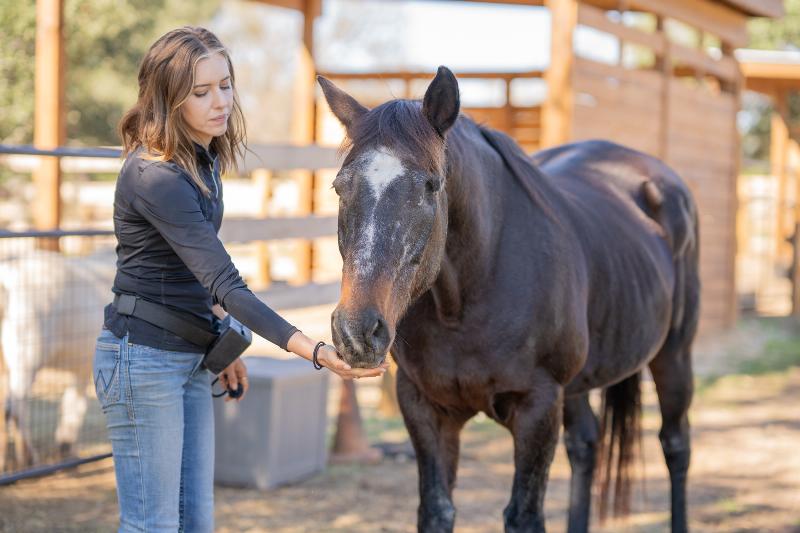 positive reinforcement training horses
Common Training Harness Mistakes to Avoid
Even with the best intentions, trainers can fall into common pitfalls. Being aware of these can help you sidestep them:
- Over-reliance: Using the harness for too long or too intensely, preventing the horse from developing self-carriage and independent balance.
- Incorrect Fit: Leading to discomfort, sores, and a negative training experience.
- Harsh Use: Yanking on reins or applying excessive pressure, which can damage the horse’s mouth, poll, or overall trust.
- Lack of Progression: Not knowing when to transition to lighter aids or eventually no harness at all.
- Using the Wrong Tool: Employing a harness designed for advanced work on a very green horse, or vice-versa.
The Role of Training Harnesses in Modern Horse Training
In contemporary horse training, the emphasis is increasingly on ethical practices, clear communication, and building a willing partnership. Training harnesses are powerful allies in achieving these goals when used thoughtfully and with a deep understanding of equine psychology. They are not shortcuts but rather sophisticated tools that, in the right hands, can accelerate learning, improve a horse’s way of going, and ultimately deepen the bond between horse and human. Whether you’re engaged in training miniature horses or working with a full-sized equine athlete, the principles of careful selection, proper fitting, and ethical use remain the same.
Conclusion: Building a Foundation of Trust and Understanding
Selecting and using a training harness is a significant aspect of a horse’s education. By understanding the purpose of different types of harnesses, carefully considering your horse’s individual needs, and committing to best practices in their application, you can unlock new levels of communication and performance. Remember, the ultimate success of any training tool lies not in its complexity, but in the handler’s ability to use it with patience, empathy, and a clear vision for building a trusting relationship. The journey of training horses is continuous, and the right training harness can be an invaluable companion on that path.
