
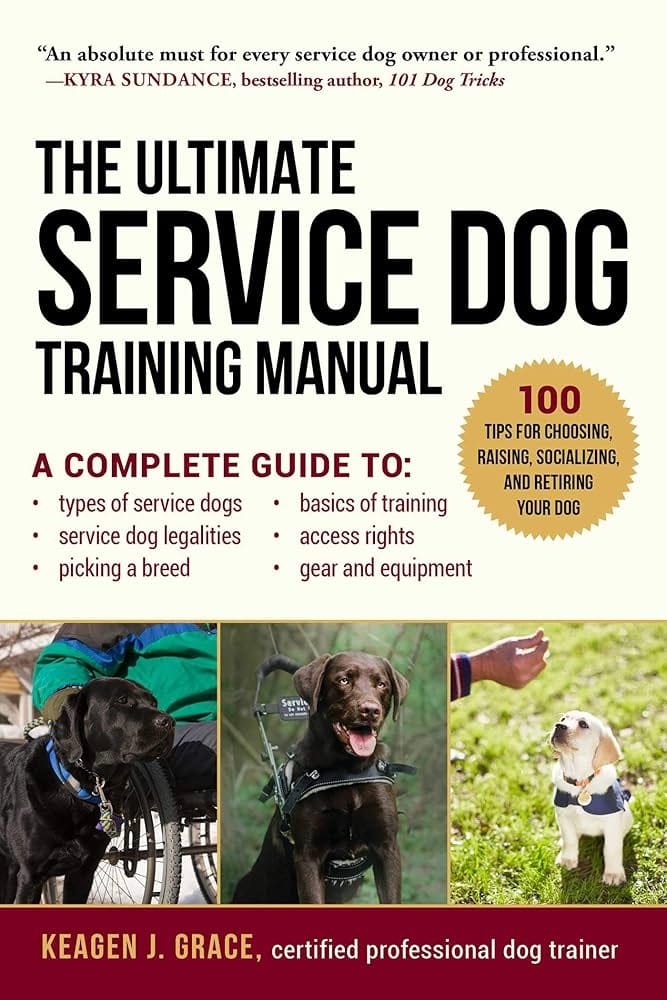
Service dogs are incredible animals that perform a vital role in assisting individuals with disabilities. Their specialized training enables them to provide support, enhance independence, and improve the quality of life for their handlers. This comprehensive guide delves into the world of service dog training, exploring the journey from puppyhood to a fully-fledged working partner.
Understanding the Role of a Service Dog
Before embarking on the training journey, it’s crucial to understand what distinguishes a service dog from a therapy or emotional support animal. Service dogs are specifically trained to perform tasks that mitigate a handler’s disability. These tasks can range widely, from guiding a visually impaired person and alerting a hearing-impaired individual to retrieving dropped items for someone with mobility impairments or providing deep pressure therapy for individuals with anxiety or PTSD. The Americans with Disabilities Act (ADA) defines service animals as dogs trained to do work or perform tasks for the benefit of an individual with a disability. This legal distinction is important, as it affords service dogs public access rights that other types of assistance animals do not have.
The Foundation: Early Socialization and Basic Obedience
The journey of a service dog typically begins long before specialized task training. Early socialization is paramount. Exposing puppies to a wide variety of sights, sounds, people, and environments during their critical developmental periods helps them grow into confident, well-adjusted adults. This means introducing them to different surfaces, handling them gently, and ensuring positive experiences with various stimuli.
Alongside socialization, solid basic obedience training is the bedrock of service dog work. This includes mastering commands such as “sit,” “stay,” “come,” “down,” and “leave it.” A strong foundation in obedience ensures the dog is responsive, reliable, and under control in any situation. This phase is not just about the dog learning; it’s also about the handler-dog team building a bond of trust and clear communication. For those seeking to train their own dogs, resources for dog training Brunswick GA can provide valuable insights and guidance.
Specialized Task Training: Equipping for the Job
Once basic obedience is mastered and the dog has developed into a young adult, specialized task training begins. This is where the dog learns the specific actions that will help their handler. The nature of these tasks is as diverse as the disabilities they serve.
Tasks for Mobility Impairments
For individuals with mobility challenges, service dogs can be trained to:
- Retrieve dropped items: This can include keys, phones, or medication.
- Open and close doors: Using their mouth or paws to operate levers or pull cords.
- Provide balance support: Acting as a stable point of contact for walking or standing.
- Bark on command to alert for help: Crucial in emergency situations.
- Nudge or alert to the presence of medical equipment: Such as alerting to low blood sugar levels or the need for medication.
Tasks for Sensory Impairments
Service dogs for individuals with hearing or visual impairments require highly specific training:
- Hearing dogs are trained to alert their handlers to important sounds, such as doorbells, fire alarms, telephones, or a baby’s cry. They do this by making physical contact, like nudging or pawing, and then leading the handler to the source of the sound.
- Guide dogs are trained to navigate the environment safely, guiding their visually impaired handlers around obstacles, identifying changes in terrain, and locating doors or chairs. This often involves “intelligent disobedience,” where the dog may disobey a command if it perceives the command to be unsafe.
Tasks for Psychiatric Disabilities
Psychiatric service dogs (PSDs) provide support for individuals with mental health conditions, including PTSD, anxiety disorders, and depression. Their tasks are tailored to the individual’s needs and can include:
- Interruption of self-harming behaviors: Such as preventing repetitive scratching or head-banging.
- Deep Pressure Therapy (DPT): Lying across the handler’s lap or body to provide a calming weight during moments of distress.
- Waking the handler from nightmares: A crucial support for individuals with PTSD.
- Alerting to panic attacks: By nudging or licking the handler.
- Retrieving medication: In critical moments.
- Guiding handlers out of overwhelming situations: By sensing the handler’s distress and nudging them towards an exit.
The Training Process: Consistency and Patience
Service dog training is a rigorous and time-consuming process that can take anywhere from one to two years, or even longer, depending on the complexity of the tasks and the individual dog. It requires immense patience, consistency, and a deep understanding of canine behavior.
Positive Reinforcement Methods
Modern service dog training overwhelmingly relies on positive reinforcement techniques. This involves rewarding desired behaviors with treats, praise, or toys, making the learning process enjoyable and effective for the dog. Harsh corrections or punishment are avoided, as they can lead to fear, anxiety, and behavioral problems, which are detrimental to a service dog’s working ability and temperament.
Public Access Training
A critical component of service dog training is public access. This involves accustoming the dog to working in a variety of public settings – restaurants, stores, public transportation, and more – while remaining calm, focused, and well-behaved. This training ensures the dog can accompany their handler everywhere without causing disruption. This is where many training service dogs Atlanta programs focus significant effort.
Handler-Dog Team Training
Ultimately, the success of a service dog lies in the partnership between the dog and its handler. Handler training is an integral part of the process. Handlers learn how to cue their dog, interpret their dog’s signals, maintain their dog’s training, and manage them effectively in public. This partnership is a continuous learning experience, as the bond between handler and dog strengthens over time. Understanding the nuances of service dog training near me prices can be the first step for many looking to embark on this journey.
Choosing the Right Dog for Service Work
Not every dog is suited to be a service dog. Certain breeds are often favored for their temperament, intelligence, and trainability, such as Labrador Retrievers, Golden Retrievers, and Poodles. However, temperament and individual aptitude are more important than breed alone. A good candidate for service work is typically confident, not easily startled, eager to please, and possesses a calm demeanor. Many organizations and trainers carefully assess potential candidates, often starting with puppies from reputable breeders or rescue organizations that can provide health and temperament evaluations. For those in specific regions, finding programs like dog training Watertown NY can be a starting point for identifying suitable dogs and training resources.
Challenges and Rewards
The path to becoming a fully-trained service dog is not without its challenges. Dogs may wash out of training programs for various reasons, including health issues, lack of aptitude for specific tasks, or behavioral challenges that arise despite best efforts. The process requires significant financial investment, time commitment, and emotional resilience from both the trainers and the handlers.
However, the rewards are immeasurable. A well-trained service dog can transform a person’s life, providing not only practical assistance but also companionship, emotional support, and a renewed sense of freedom and independence. The bond forged between a handler and their service dog is profound, built on trust, mutual respect, and a shared journey. For those considering training in areas like service dog training Texas, the commitment is substantial but the outcomes can be life-changing.
The Future of Service Dog Training
The field of service dog training continues to evolve, with ongoing research into canine behavior, learning theory, and the specific needs of individuals with disabilities. Advancements in training techniques, including the use of technology and more sophisticated understanding of canine cognition, promise even more effective and specialized support dogs in the future. The dedication of trainers, handlers, and the dogs themselves ensures that these remarkable animals will continue to play an indispensable role in enhancing the lives of people with disabilities.
