
It’s a phrase we’ve all heard, a tired cliché that has settled into our collective consciousness: “You can’t teach an old dog new tricks.” But for anyone who has shared their life with a senior canine, they know the profound truth is quite the opposite. The golden years of a dog’s life are a golden opportunity for connection, and engaging in Training For Older Dogs is one of the most powerful ways to enrich their lives and deepen your bond. Whether you’ve just adopted a mature companion or want to refresh the skills of a lifelong friend, training offers a pathway to a more joyful, stimulated, and well-behaved dog.
This isn’t about demanding perfection or preparing for a high-level competition. It’s about communication, mental exercise, and celebrating the incredible adaptability of our aging pets. The process requires a little more patience, a keen understanding of their changing needs, and a whole lot of love. Far from being a chore, it’s a journey of rediscovery that proves learning is a lifelong adventure, for both human and hound. This journey is similar to other specific training challenges, such as when you undertake dog obedience training for older dogs with a focus on refined behaviors.
Why Training for Older Dogs is a Golden Opportunity
Many people focus on puppy training and assume that once a dog reaches a certain age, their personality and habits are set in stone. This couldn’t be further from the truth. Training a senior dog offers a unique set of benefits that are just as crucial, if not more so, than early-life education.
Mental Stimulation and Cognitive Health
Just like humans, dogs need to keep their minds active to stay sharp. As they age, their world can sometimes shrink due to decreased mobility or sensory loss. Training sessions act as a fantastic form of cognitive enrichment. Learning a new command, solving a puzzle toy, or practicing a familiar skill stimulates neural pathways, helping to stave off cognitive decline and conditions like Canine Cognitive Dysfunction (CCD), often referred to as doggy dementia. A mentally stimulated dog is a happier, more engaged dog.
Strengthening the Human-Canine Bond
The time you dedicate to a training session is focused, one-on-one time with your dog. In a busy household, these moments of shared purpose are invaluable. Your dog learns to look to you for guidance, and you learn to better understand their body language, their learning style, and their personality. This mutual communication builds a foundation of trust and respect that can make your relationship stronger than ever. It reinforces that you are a team, navigating the challenges of their senior years together.
Improving Safety and Manners
An older dog’s environment and abilities can change. Perhaps their hearing is fading, making a reliable hand signal for “come” a potential lifesaver. Maybe they’ve developed a new habit like barking or counter-surfing. Training can address these issues, reinforcing good manners and establishing new safety protocols. A well-trained senior dog is easier to manage, whether at home, on walks, or during visits to the vet, reducing stress for everyone involved.
Understanding the Senior Canine Mind and Body
Before you begin, it’s essential to approach training for older dogs with empathy and an understanding of the changes they may be experiencing. Their learning process is influenced by both their physical and mental state.
Physical Considerations
An older dog may have physical limitations that weren’t present in their youth.
- Hearing Loss: A dog that seems to be ignoring you might simply not hear you. Incorporate clear hand signals with your verbal cues from the start.
- Vision Impairment: Cataracts or other age-related vision issues can make a dog more easily startled. Ensure your training area is safe and that they can see your gestures clearly.
- Arthritis and Joint Pain: Long sessions or commands that require uncomfortable positions (like a prolonged “down”) can be painful. Keep sessions short and be mindful of their physical comfort. A soft mat or rug can make a world of difference.
Cognitive Changes and Established Habits
An older dog has a lifetime of experiences that have shaped their behavior. They aren’t a blank slate. This means they have deeply ingrained habits, both good and bad. The key is not to “erase” these habits but to build new, more desirable ones. Their attention span may also be shorter, so patience is paramount. They can absolutely learn, but the process might be slower than with a puppy who is absorbing everything for the first time.
As Dr. Eleanor Vance, a leading veterinary behaviorist, states, “When training a senior dog, you’re not just a teacher; you’re a translator. You’re helping them understand what you want in the context of a lifetime of prior learning. It’s about building new bridges of communication, not demolishing old ones.”
The Foundations of Success: How to Train
The methodology for training an older dog hinges on positive, gentle, and consistent techniques. Force or punishment-based methods are counterproductive and can damage the trust you’ve built.
Positive Reinforcement is Key
This is the cornerstone of modern, effective dog training. Positive reinforcement means rewarding the behaviors you want to see. For an older dog, rewards should be high-value and motivating.
- Treats: Use small, soft, and extra-tasty treats that are easy to chew. Think small pieces of chicken, cheese, or special senior-friendly training treats. Be mindful of their dietary needs and calorie intake.
- Praise: A happy, enthusiastic “Yes!” or “Good dog!” in a warm tone of voice can be a powerful motivator.
- Affection: A gentle scratch behind the ears or a nice chest rub can work wonders for dogs who are motivated by physical touch.
Patience, Consistency, and Short Sessions
Consistency is crucial. Everyone in the household should use the same commands and rules to avoid confusing your dog. Patience is your most important tool; celebrate small victories and never get frustrated if your dog isn’t getting it right away.
Keep your training sessions short and sweet—aim for 5-10 minutes, once or twice a day. This prevents both you and your dog from becoming tired or discouraged. Always end on a positive note, with a command you know they can successfully perform, to build their confidence.
Core Skills and Common Challenges
While you can teach an old dog any new trick, it’s wise to start with the essentials. A solid foundation in basic dog training for older dogs can make a significant difference in their daily life and safety.
How to House Train an Older Dog
Accidents in a previously house-trained senior dog can be perplexing. The first step is always a vet visit to rule out medical issues like a urinary tract infection, kidney disease, or cognitive dysfunction. If the issue is behavioral, the approach is similar to training a puppy but with a few adjustments. The complete process to house train an older dog involves a clear routine, frequent potty breaks (especially after waking, eating, and playing), and rewarding successful trips outside with immense enthusiasm. Never punish accidents; it only creates fear and anxiety.
Leash Manners and Reactivity
Leash pulling can be a lifelong habit. For a senior dog, a front-clip harness can be a game-changer, as it redirects their pulling motion without putting pressure on their neck or throat. Practice loose-leash walking in a low-distraction environment, like your backyard, rewarding them every time they walk beside you without pulling.
Socializing Your Senior Dog
Socialization is not just for puppies. It’s about ensuring your older dog has positive, safe experiences with new people, places, and other animals. Go at their pace. If they are uncomfortable, don’t force interactions. Look for calm, well-behaved dogs for short, supervised playdates. Introduce new people calmly, letting the dog approach on their own terms.
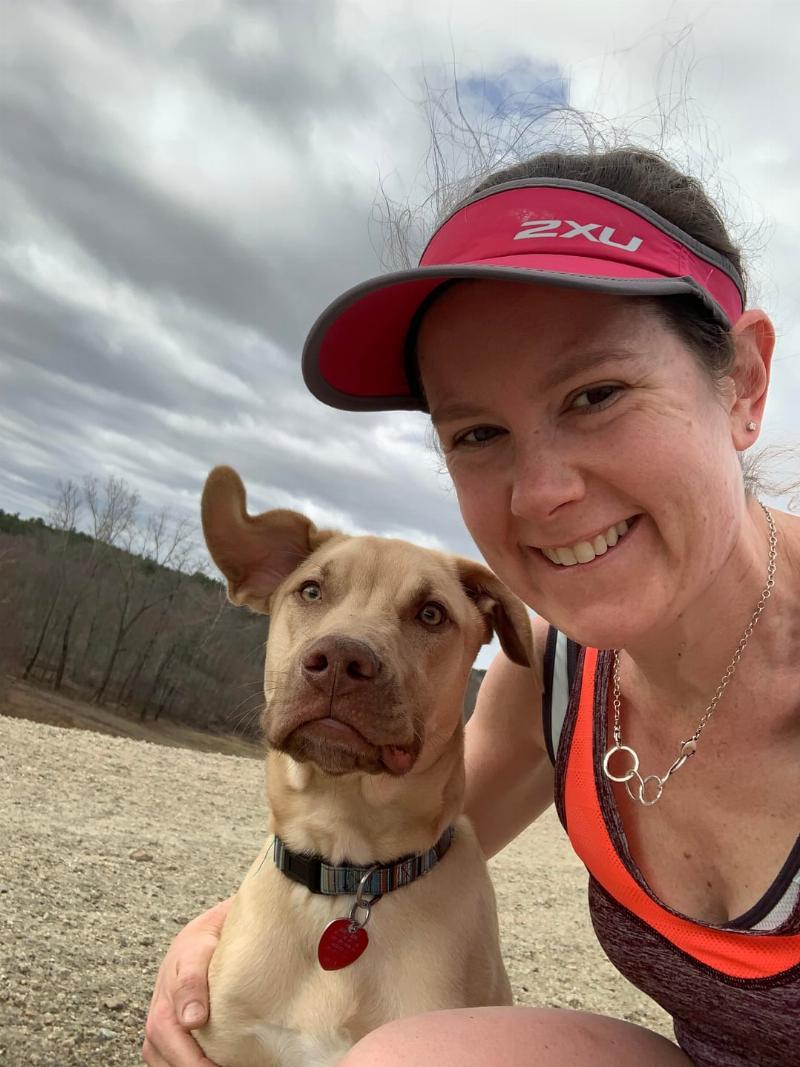 A content senior beagle walking calmly on a loose leash next to its owner, illustrating successful training for older dogs.
Advanced Training and Enrichment
Who says you have to stop at the basics? Many older dogs thrive with more advanced challenges. This is where you can truly see their personalities shine.
Fun Tricks and Games
Teaching fun tricks like “shake,” “spin,” or “roll over” (if they are physically able) is fantastic mental exercise. Scent work games are another excellent option, as a dog’s sense of smell often remains sharp even when other senses decline. Hide treats around a room and encourage them to “find it.” This taps into their natural instincts and is a low-impact activity they can enjoy for years.
The Value of Crate Training
It’s never too late to introduce a crate as a safe, comfortable den. For a senior dog, a crate can provide a quiet retreat from a busy house or a secure space during travel. The process is a bit different from puppyhood, and understanding the nuances of crate training for older dogs involves creating overwhelmingly positive associations with the space.
Frequently Asked Questions (FAQ)
Is it really possible to train an older dog?
Absolutely. While it may require more patience and a different approach than training a puppy, older dogs are fully capable of learning new commands, tricks, and behaviors. Their life experience can sometimes even help them focus better than an excitable puppy.
How long does it take to train a senior dog?
There’s no set timeline. It depends on the dog’s personality, past experiences, and the specific behavior you’re working on. The key is to focus on consistent, positive progress rather than a deadline. The journey of training is just as important as the destination.
What are the first things I should teach my newly adopted older dog?
Start with the basics to build a foundation of communication. Focus on their name recognition, “watch me” for focus, “sit,” and a reliable “come.” It’s also critical to establish a consistent routine for feeding, walking, and potty breaks to help them feel secure in their new home.
My older dog has hearing/vision loss. How does that change training?
For hearing loss, pair verbal cues with clear hand signals. For vision loss, rely more on verbal cues, using a clear and consistent tone. Ensure the training environment is safe and predictable to build their confidence.
Can you correct bad habits like barking or jumping in an older dog?
Yes. Correcting established habits is about managing the environment and teaching an alternative, more desirable behavior. For jumping, teach them to “sit” for greetings. For barking, identify the trigger and work on desensitizing them to it or teaching a “quiet” cue. The core of all this work lies in the fundamentals of dog training older dogs.
A Bond Forged in Time
Ultimately, the goal of training for older dogs is not to create a perfectly obedient automaton. It’s about enhancing your dog’s quality of life and strengthening the precious bond you share. It’s a testament to their intelligence and resilience, and a reflection of your commitment to their well-being through every stage of life. By investing your time and patience, you are telling your senior companion that they are still seen, still valued, and still capable of wonderful new things. And in that shared journey of learning, you’ll find that perhaps the old cliché has it all wrong. You can, and absolutely should, teach an old dog new tricks.
