
Understanding and addressing dog aggression is crucial for any dog owner aiming to build a harmonious relationship with their canine companion. Aggression in dogs isn’t a singular behavior but a complex spectrum of responses often rooted in fear, anxiety, territoriality, or even past trauma. Recognizing the signs and understanding the underlying causes are the first steps toward effective management and training. This guide delves into the intricacies of dog aggression, offering insights and practical strategies to help you navigate these challenges and foster a safer, happier environment for both your dog and your community.
Understanding the Roots of Dog Aggression
It’s a common misconception that dogs are inherently aggressive. In reality, aggression is typically a symptom of an unmet need, a learned behavior, or a response to a perceived threat. To effectively address it, we must first explore the various factors that can contribute to aggressive behavior in dogs.
Common Triggers for Aggression
Dogs may exhibit aggression in response to a variety of triggers. Identifying these triggers is paramount for implementing targeted training and management strategies.
- Fear and Anxiety: A dog that feels threatened, cornered, or insecure may resort to aggression as a defense mechanism. This can be triggered by unfamiliar people, objects, or situations.
- Territoriality: Protecting their perceived space, whether it’s a home, yard, or even a favorite toy, can lead to aggressive displays.
- Resource Guarding: Dogs may become aggressive when they feel their valuable resources, such as food, toys, or even their owner, are threatened.
- Pain or Illness: Sudden aggression can sometimes be a sign of an underlying medical condition or pain. A visit to the veterinarian is crucial if you notice a change in your dog’s behavior.
- Frustration: When a dog is unable to achieve a goal or is repeatedly thwarted, frustration can build and manifest as aggression.
- Predatory Drive: While not always overtly aggressive, a strong prey drive can sometimes lead to behaviors that appear aggressive towards smaller animals or even fast-moving objects.
- Social Misunderstandings: Sometimes, dogs may misinterpret social cues from other dogs or humans, leading to an aggressive reaction.
Types of Aggression
Aggression isn’t a one-size-fits-all behavior. Understanding the different types can help in pinpointing the cause and developing the right intervention.
- Territorial Aggression: This is often directed at people or animals entering the dog’s perceived territory.
- Possessive Aggression (Resource Guarding): Seen when a dog tries to prevent others from taking its prized possessions.
- Fear Aggression: A dog acts aggressively because it is scared and feels threatened.
- Inter-dog Aggression: Aggression that occurs between dogs, which can be influenced by various factors including genetics, socialization, and prior experiences.
- Maternal Aggression: Unspayed females may show aggression to protect their puppies.
- Redirected Aggression: When a dog is aroused by one stimulus but cannot reach it, it may redirect its aggression onto a closer target.
- Pain-Induced Aggression: A dog that is in pain may lash out when touched or approached.
Strategies for Managing and Training Dog Aggression
Addressing dog aggression requires patience, consistency, and a deep understanding of canine behavior. The goal is not to eliminate the behavior entirely but to manage it effectively and, where possible, modify the underlying emotional response. For serious cases, seeking professional help is highly recommended. If you’re in areas like Las Vegas, understanding options for dog aggression training las vegas can be a crucial first step. Similarly, if you are in Tampa, dog aggression training tampa fl resources are available. In Phoenix, there are also dedicated dog aggression training phoenix services.
Management Techniques: Preventing Escalation
Management is about controlling the environment to prevent situations that trigger aggression. This is often the first and most critical step.
- Avoidance: Keep your dog away from situations or triggers that consistently provoke aggression. If your dog barks aggressively at other dogs on walks, cross the street or change direction.
- Leash Control: Always use a secure leash and consider a head halter or front-clip harness for better control if your dog tends to pull or lunge.
- Muzzle Training: A properly introduced basket muzzle can be a lifesaver, preventing bites while you work on training. It ensures safety for everyone involved.
- Confinement: When you cannot supervise your dog, confinement in a crate or a safe room can prevent incidents.
Positive Reinforcement Training for Aggression
Positive reinforcement focuses on rewarding desired behaviors and building positive associations. This approach is crucial for fear aggression training for dogs.
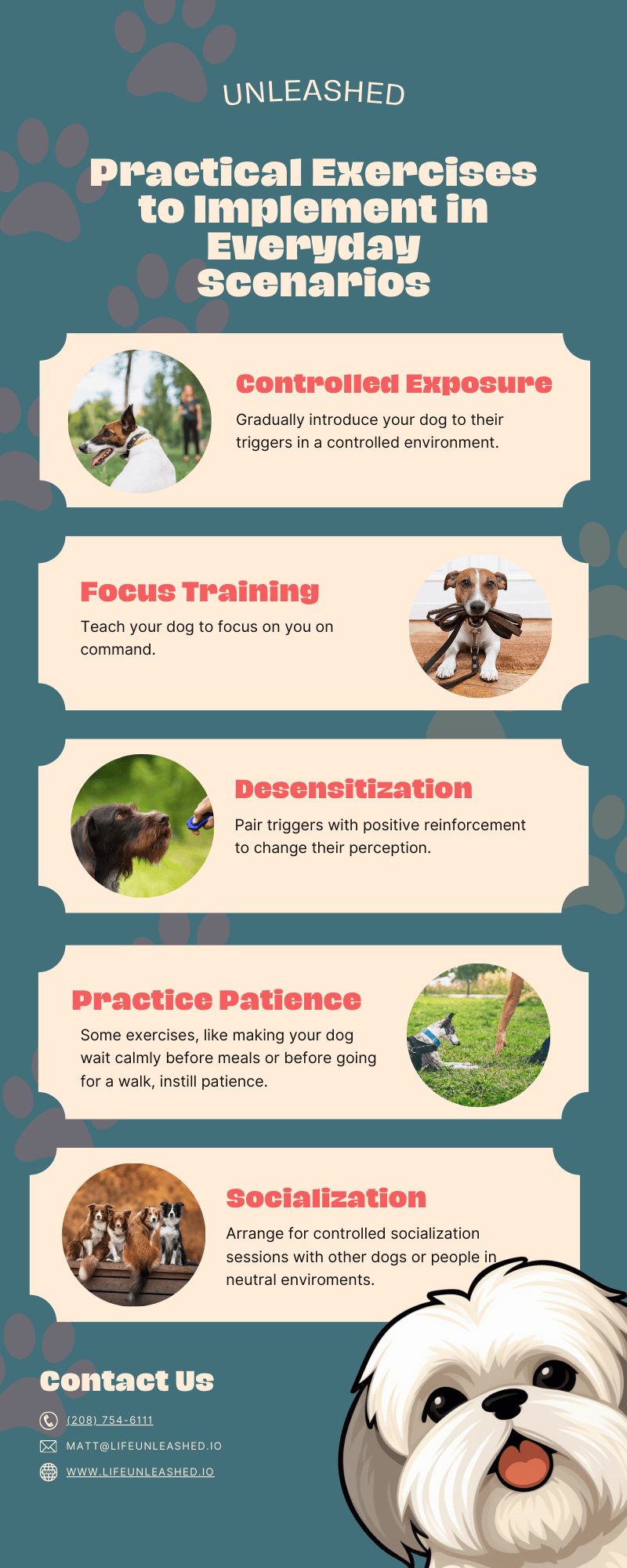
- Desensitization and Counter-Conditioning (DSCC): This is a cornerstone of aggression modification.
- Desensitization: Gradually exposing your dog to a trigger at a distance or intensity where they don’t react aggressively.
- Counter-Conditioning: Pairing the trigger with something positive, like high-value treats or a favorite toy, to change your dog’s emotional response from negative to positive. For instance, if your dog reacts aggressively to people at the door, start by having someone stand far away, and reward your dog for remaining calm. Gradually decrease the distance as your dog shows progress.
- Obedience Training: Solidifying basic commands like “sit,” “stay,” and “come” can help you manage your dog in challenging situations and build confidence. When dealing with aggressive behaviors, remember that dog training las vegas aggression programs often emphasize these foundational skills.
- Impulse Control Exercises: Games that teach your dog to wait and control their impulses can be very effective. For example, teaching them to wait for their food bowl or a toy.
Building Confidence and Reducing Anxiety
Anxiety and low confidence often fuel aggression. Building your dog’s confidence and reducing their overall anxiety can significantly impact their behavior.
- Enrichment: Provide plenty of physical exercise and mental stimulation through puzzle toys, training games, and varied walks.
- Calming Aids: Consider natural calming supplements or pheromone diffusers, especially if anxiety is a significant factor. Always consult your veterinarian before using any supplements.
- Predictable Routine: Dogs thrive on routine. Consistent feeding times, walks, and training sessions can reduce anxiety.
When to Seek Professional Help
While many mild cases of aggression can be managed with diligent training and management, some situations require the expertise of a professional.
Signs You Need a Professional
- Any incident involving a bite or near-bite.
- Severe aggression that escalates quickly.
- Aggression that is not improving with your current training efforts.
- If you feel unsafe or overwhelmed.
Choosing a Professional
Look for professionals who use positive, science-based methods. Qualifications to consider include:
- Certified Applied Animal Behaviorist (CAAB)
- Veterinary Behaviorist (DACVB)
- Certified Professional Dog Trainer (CPDT-KA/KSA) with specific experience in aggression cases.
A good professional will conduct a thorough assessment, develop a tailored behavior modification plan, and guide you through the process. They will prioritize safety and ethical treatment for your dog.
The Role of Genetics and Breed Predispositions
It’s important to acknowledge that while training and environment play a massive role, genetics and breed predispositions can also influence a dog’s likelihood to exhibit certain behaviors, including aggression. Some breeds were historically developed for guarding, fighting, or hunting, which can manifest as heightened protective instincts or prey drive. However, responsible breeding practices aim to temper these traits, and even in predisposed breeds, proper socialization and training are paramount in shaping behavior. It is crucial to remember that any dog, regardless of breed, can develop aggression if not managed and trained appropriately.
Conclusion: Building Trust and Harmony
Aggression in dogs is a challenging issue, but it is often manageable and can be improved with the right approach. By understanding the causes, implementing consistent management strategies, and utilizing positive reinforcement training techniques, you can help your dog feel more secure and less reactive. Remember that building trust and a strong bond with your dog is the foundation for addressing any behavioral concern, including aggression. If you are struggling, do not hesitate to seek guidance from qualified professionals who can provide tailored support for your specific situation. The journey to a calmer, more harmonious life with your dog is achievable through dedication, understanding, and professional support.
