
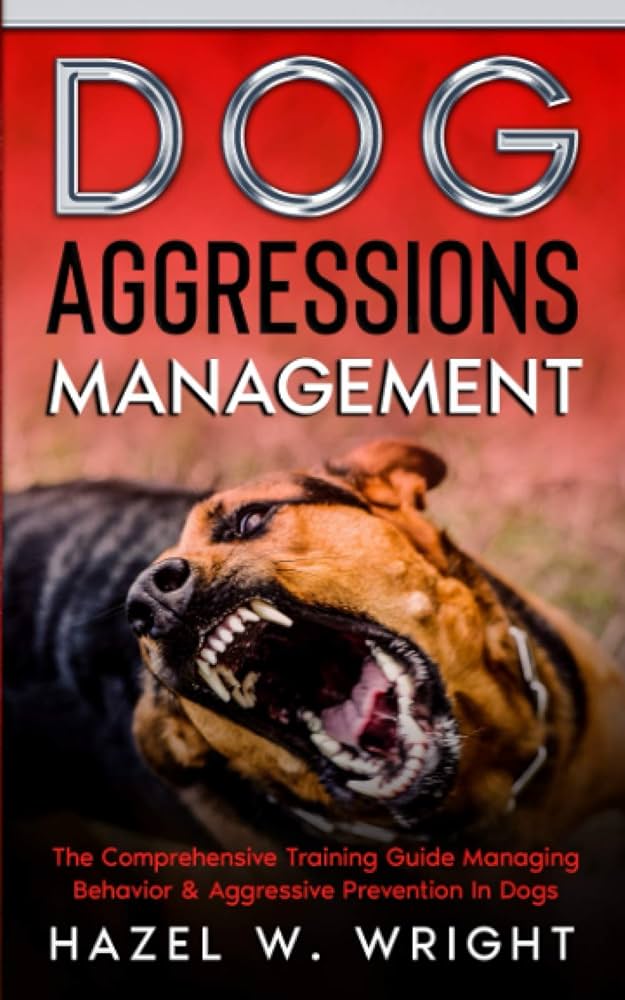
Aggressive dog behavior is a serious concern for many pet owners, impacting the human-animal bond and potentially leading to dangerous situations. Understanding the root causes of aggression and implementing effective training strategies are crucial for managing and modifying this behavior. This guide aims to provide a comprehensive overview of Training For Aggressive Dog Behavior, offering insights and practical advice for owners.
Understanding the Roots of Canine Aggression
Canine aggression is not a simple personality trait but a complex behavioral response often stemming from underlying issues. It’s essential to identify the triggers and motivations behind a dog’s aggressive actions to address them effectively.
Common Causes of Dog Aggression:
- Fear and Anxiety: Dogs may exhibit aggression when they feel threatened, cornered, or anxious. This is often a defensive mechanism to create space.
- Territoriality: Protecting their perceived territory, whether it’s their home, yard, or even a favorite spot, can lead to aggressive displays.
- Resource Guarding: Dogs may become aggressive when they feel their valuable resources, such as food, toys, or even their owner, are threatened.
- Pain or Medical Conditions: Sudden aggression can sometimes be a sign of underlying pain or a medical issue. A veterinary check-up is paramount if aggression appears without a clear cause.
- Frustration: Pent-up energy or frustration, especially in dogs that are not adequately exercised or mentally stimulated, can manifest as aggression.
- Socialization Issues: Lack of proper socialization during critical developmental periods can result in a dog that is fearful or reactive towards unfamiliar people, dogs, or environments.
- Genetics and Breed Predispositions: While individual temperament plays a significant role, certain breeds may have predispositions towards guarding or protective behaviors that, if not managed, can lead to aggression.
It’s important to remember that aggression is a spectrum. What might appear as aggression could sometimes be a display of over-arousal, fear-based reactivity, or poor communication skills. Identifying the specific type of aggression and its triggers is the first step towards a solution.
Expert Insights on Aggressive Behavior Training
“Effective training for aggressive dog behavior hinges on understanding the ‘why’ behind the growl or nip,” says Dr. Sarah Miller, a renowned canine behaviorist. “It’s rarely about dominance and much more often about fear, anxiety, or a lack of appropriate coping mechanisms. Our goal is to build the dog’s confidence and teach them alternative, positive behaviors.”
The Role of Professional Guidance
Dealing with an aggressive dog can be overwhelming and even dangerous. Seeking professional help from a certified professional dog trainer (CPDT-KA or CPDT-KSA) or a veterinary behaviorist is highly recommended. They can accurately diagnose the type and cause of aggression and develop a tailored [aggressive behavior training for dogs] plan. Trying to handle severe aggression without expert guidance can exacerbate the problem and put individuals or other animals at risk.
Strategies for Training Aggressive Dog Behavior
The approach to training aggressive dog behavior is multi-faceted, focusing on management, behavior modification, and desensitization/counter-conditioning.
1. Management: Preventing Incidents
Management is the immediate priority. It involves preventing the dog from practicing the aggressive behavior and avoiding situations that trigger it.
- Muzzle Training: Introducing a basket muzzle safely and positively can be a lifesaver, preventing bites while you work on behavior modification. This is a crucial safety tool, not a punishment.
- Leash Control: Always use a secure leash and harness when outside. Avoid off-leash situations in public spaces.
- Environmental Management: Block access to windows where dogs might bark and lunge at passersby. Manage introductions to new people or animals carefully, perhaps in a neutral space.
- Crate Training: A crate can provide a safe, den-like space for a dog, reducing stress and preventing unwanted behaviors when unsupervised.
2. Behavior Modification Techniques
These techniques aim to change the dog’s emotional response and behavior towards triggers.
Desensitization and Counter-Conditioning (DSCC): This is a cornerstone of aggression training.
- Desensitization: Gradually exposing the dog to the trigger at a distance or intensity where they do not react.
- Counter-Conditioning: Pairing the sight or presence of the trigger with something highly positive, like high-value treats or a favorite toy. The goal is to change the dog’s association from negative (fear, anxiety) to positive (happy anticipation).
- Example: If a dog is aggressive towards other dogs, start by showing them a dog at a very far distance (where they notice it but don’t react) and immediately give them a super tasty treat. Repeat this many times. Gradually, over many sessions, decrease the distance.
Positive Reinforcement Training: Teaching the dog alternative behaviors to aggression.
- “Look at That” (LAT) Game: Reward the dog for calmly looking at the trigger and then looking back at you.
- “Engage-Disengage” Game: Reward the dog for noticing the trigger and then disengaging to focus on you.
- Teaching a “Go to Mat” or “Place” Command: This provides a structured alternative behavior when a trigger appears.
3. Understanding Pack Dynamics (Modern View)
While older training methods focused on dominance and asserting oneself as the “alpha,” modern ethology and behavior science suggest a different approach. Aggression is rarely about establishing dominance. Instead, trainers focus on building a trusting relationship, clear communication, and consistent positive reinforcement. Think of yourself as a benevolent guide, not a dictator. This is where understanding nuanced training, like [kay 9 dog training] or [gigi moss dog training] methodologies that prioritize relationship-based training, becomes invaluable.
Specific Scenarios and Training Approaches
Fear-Based Aggression
This is common and requires patience. The key is to avoid pushing the dog over their threshold. Work at a distance where they feel safe and gradually, slowly, reduce that distance while pairing the trigger with positive experiences. Never force interactions.
Resource Guarding
This can be managed by teaching the dog that good things come when people approach their resources.
- Trading Up: When the dog has an item, approach them calmly and offer something even more valuable. As they release the item to take the new one, praise them. This teaches them that people approaching their treasures is a good thing.
- “Leave It” and “Drop It” Commands: Crucial for safety and control.
Territorial or Barrier Aggression
Dogs often become aggressive when they are behind a barrier (fence, window, car) and perceive a threat.
- Blocking Visuals: Use frosted window film or curtains to prevent the dog from seeing triggers.
- Teaching “Quiet”: Reward silence.
- Redirecting Attention: Use a high-pitched sound or a favorite toy to redirect the dog’s attention before they fixate on the trigger.
The Importance of Exercise and Mental Stimulation
A tired dog is often a well-behaved dog. Insufficient physical exercise and mental stimulation can lead to frustration, boredom, and an increased likelihood of behavioral issues, including aggression.
- Physical Exercise: Tailor the amount and type of exercise to the dog’s breed, age, and health. Brisk walks, runs, fetch, and swimming are great options.
- Mental Stimulation: Puzzle toys, scent work, obedience training sessions, and learning new tricks are excellent ways to challenge a dog’s mind and prevent boredom. For breeds with specific working drives, like a livestock guardian, specific activities that engage those instincts are vital, hence the need for [training a livestock guardian dog] tailored to their purpose.
When to Consider One-on-One Training
For complex cases of aggression, especially those involving bite incidents or severe fear, [1 on 1 dog training] is often the most effective route. A dedicated trainer can provide consistent, individualized attention, ensuring the exercises are performed correctly and safely. This personalized approach allows for immediate feedback and adjustments, which are critical when working with aggressive behaviors.
Frequently Asked Questions About Aggressive Dog Behavior
Q1: Can aggressive dog behavior be completely cured?
A1: While complete “cures” aren’t always possible, aggressive behaviors can often be significantly managed and modified to safe levels with consistent, professional training and diligent management. The goal is to improve the dog’s quality of life and ensure safety.
Q2: How long does it take to train an aggressive dog?
A2: The timeline varies greatly depending on the dog, the severity of the aggression, the owner’s consistency, and the type of training employed. It can take months or even years of dedicated work. Progress is often gradual, with setbacks possible.
Q3: Is it safe to have other pets around an aggressive dog?
A3: This depends entirely on the nature and triggers of the aggression. Strict management and professional guidance are essential. If the aggression is severe or directed towards other animals, it may be safest to avoid cohabitation or ensure strict separation.
Q4: What role does diet play in a dog’s behavior?
A4: While diet alone won’t solve aggression, a balanced, high-quality diet supports overall health, including brain function and energy levels, which can indirectly influence behavior. Some sensitivities or allergies can also contribute to irritability. Consulting a vet about nutrition is always wise.
Q5: Should I use punishment-based training methods for aggression?
A5: Absolutely not. Punishment-based methods (like shock collars, harsh corrections) can suppress the outward signs of aggression but do not address the underlying emotional cause. They can increase fear and anxiety, making the aggression worse or leading to redirected aggression. Positive, science-based methods are the only ethical and effective approach.
Conclusion: Building a Better Future with Your Dog
Training for aggressive dog behavior is a challenging but incredibly rewarding journey. It requires patience, consistency, a deep understanding of canine behavior, and often, professional support. By focusing on management, positive behavior modification, and meeting your dog’s physical and mental needs, you can work towards a more harmonious relationship. Remember, every dog deserves a chance to learn and thrive in a safe and understanding environment. If you’re facing challenges with your dog’s behavior, don’t hesitate to seek expert help – the bond you share is worth the effort.
